KARACHI, Feb 2: Even after a quantum jump in prices of all major crops, rich feudals in Sindh paid only Rs7 million as tax on their incomes till November last and their payment on account of abiana is hardly Rs36 million.
Well-placed sources said that the Sindh government had set a target of Rs336 million in the current fiscal year (2008-09).
Bulk of tax contribution is expected from three main cash crops in kharif which are cotton, sugarcane and rice.
Official in the Board of Revenue indicate some improvement in tax collection by the end of January but are not ready to share information.
Knowledgeable sources, however, are skeptical of any significant improvement in collection of agricultural income tax in the province during the current fiscal year.
Officials say that the irrigation system in the province continues to be heavily subsidised by the government and all programmes of participatory irrigation system are on paper only.
“Sindh budget shows provision of subsidy on wheat trade every year as it is directed towards urban consumers, but it never shows subsidy on maintaining irrigation system in the province,’’ said a retired engineer of the Sindh government. In the last 10 years, he estimated a total subsidy of more than Rs25 billion on irrigation system in the province as recoveries on account of abiana are dismal and expenditure is mounting every year.
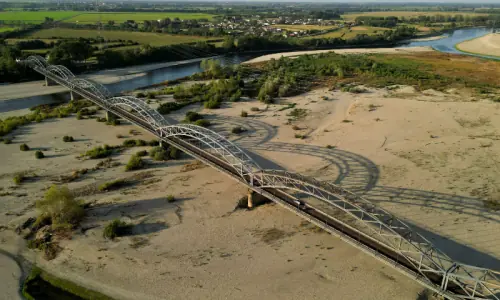
Breach of canals is a perpetual problem in the province which adds to losses and a tax on meager resources of the province.
Sindh collected the highest amount of Rs444.77 billion tax from agriculturists in 2000-01.
Tax recovery fell to Rs397 million in 2001-02 and then further down to Rs251 million in 2002-03. There was a proposal to authorise federal government to collect tax on agricultural income.
Under the current IMF agreement, government was expected to ask the Federal Board of Revenue to collect tax from farmers. But the PPP government conceded to the extent of increasing gas and electricity tariff in compliance with the IMF conditions, but is bold enough to ignore its advice on taxing rich farmers from where Rs70 billion can be recovered in a year.
Experts said that a judicious irrigation water management policy can improve abiana collection as well as make water utilisation cost-effective which can go a long way in transforming a virtual static rural society into a dynamic and vibrant one.
“The PPP leaders offer a lip-service to the poor and downtrodden and have no capacity to bring a meaningful social change,’’ a local leader of Pakistan People’s Party who is sidelined because of his radical ideas said in a private conversation.
“Social change will not come from distributing Rs1,000 charity to the poor, but by changing agrarian scene and empowering small farmers,’’ remarked a well known economist who was closely associated with PPP government till recently.