WASHINGTON, July 27: The government’s attempt to change internal functions of the ISI comes amid intense pressure from Washington to rein in the so-called rogue elements in the agency.
Diplomatic sources told Dawn that this issue would figure prominently in the talks Prime Minister Yousuf Raza Gilani would be holding in Washington during his visit that begins officially on Monday.
According to the sources, while the Americans trust the senior Pakistani leadership, they believe that there are people within the ISI who still back militants, almost seven years after Pakistan joined the US-led war on terror.
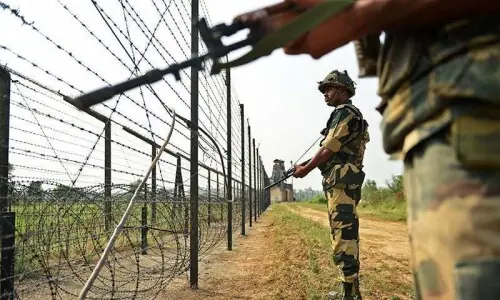
The Americans also blame the so-called rogue elements in the agency for facilitating cross-border movement of the Taliban and Al Qaeda militants into Afghanistan.
In an article on the prime minister’s visit on Sunday, Washington Post noted that the US administration’s patience with Pakistan’s inability to end cross-border infiltrations into Afghanistan was running out. The newspaper said that the prime minister and his aides “should expect a testy reception on both ends of the Pennsylvania Avenue,” meaning the White House and Congress. “I’m not sure they’re ready for what they’re walking into,” said a senior administration official while talking to the Post.
Pakistan’s new civilian leadership, like its military predecessor, rejects all insinuations about the ISI’s alleged role in the militancy as incorrect but appears willing to discuss with the Americans measures for reforming the ISI. One of the proposals, that may also be included in a detailed notification expected to be issued in Islamabad soon, calls for taking away two major functions from the agency: internal security and coordination in the war on terror.
The civilian administration feels that taking away these two functions will end ISI’s role in domestic politics. Since the ISI will have no role in the war on terror either, the proposed reforms will also end the suspicions that the agency is helping the militants.
When asked about a notification issued in Islamabad on Saturday and the retraction on Sunday, senior Pakistani officials in Washington who came with the prime minister told Dawn that there were technical flaws in the first notification. Since the ISI was already under the prime minister, and not under the Defence Ministry — as some in the government thought — it cannot be taken away from the chief executive and given to a ministry.
However, the government can clip its powers by ending its interference in domestic politics and by taking away the authority to deal with the militants, a power it has enjoyed since the Afghan war.
The officials also noted that there were certain functions that could not be taken from the ISI such as monitoring defence officials attached with Pakistani missions. All such officials report to the ISI and this power cannot be delegated to the interior ministry.