0
0

NEW DELHI, June 25: The Indian government and its communist allies on Wednesday failed to settle an impasse over a landmark nuclear deal with the United States, but decided to continue talks.
Faced with a choice of breaking with the communists and heading to early elections or abandoning the deal, the government chose to stall for more time.
“The committee completed its discussions on all aspects of the Indo-US civil nuclear cooperation agreement. The next meeting of the committee, to be convened in due course, will finalise its findings,” said Indian Foreign Minister Pranab Mukherjee, reading from a terse statement after the meeting.
He declined to answer questions.
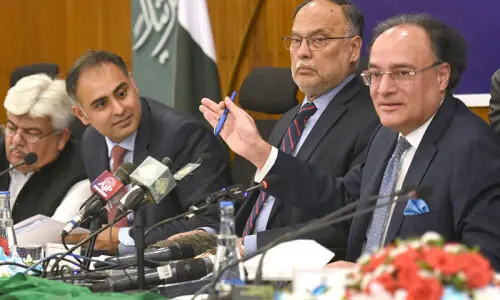
Mukherjee represented the governing Congress party at the hour-long talks with leaders of the communist parties and heads of several smaller members of the ruling coalition.
The nuclear deal would reverse three decades of American policy by allowing the shipment of atomic fuel and technology to India, which has not signed international non-proliferation accords and has tested nuclear weapons.
India, in exchange, would open its civilian reactors to international inspections.
The deal has faced stiff opposition from India’s communist parties, which don’t want to see New Delhi drawn closer to Washington.
The communists, who prop up the government from the outside, have threatened to withdraw their support if the current administration presses on with the nuclear pact, a move that could topple the government and lead to early elections.
For India to move ahead with the deal it needs to sign a separate deal with the UN’s International Atomic Energy Agency that’s needed before the US Congress can approve the pact.
There was no change of heart from the communists after the talks.
“We will not allow this government to go for the IAEA board approval,” said Debabrata Biswas, a senior communist official who attended the meeting.
With no concessions from the communists, Prime Minister Manmohan Singh would be forced to either move forward without their support — a risky political move — or abandon the much touted nuclear agreement.—AP