0
0

KARACHI, June 13: The government is in a fix over allowing a 28 per cent increase in the tariff of the Sui Southern Gas Company as recommended by the Oil and Gas Regulatory Authority (Ogra).
The increase in the gas tariff is being viewed as “unrealistic” which may have a serious burden on consumers and would further aggravate inflationary trends.
Ogra in its decision had stated that the SSGC’s net operating income is estimated at Rs92,134 million as against its revenue requirement of Rs114,768 million and thus there is a shortfall of Rs22,634 million.“Increase in the prices is determined at 31 per cent in the case of domestic tariff to keep it uniform with the Sui Northern Gas Pipelines Limited and at 28 per cent in the remaining categories of consumers except feed-stock gas supply to the fertiliser consumers,” said the Ogra decision.
The SSGCL had sought an upward review of its estimated revenue requirement / prescribed price for FY 2008-09 and requested for an increase of Rs69.37/mmbtu in its projected prescribed price from July 1.
The company had also projected a shortfall in the revenue requirement for fiscal year 2008-09 at Rs26,625 million.
In its decision on SSGCL’s petition, Ogra determined the estimated revenue requirement at Rs114,768 million as against Rs117,151 million claimed by the SSGC, thereby decreasing the estimated revenue requirement by Rs2,383 million. Moreover, the opening balance of deferred credit was determined at Rs4,296 million as against Rs3,800 million.
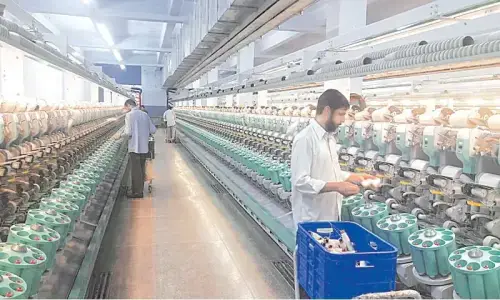
Meanwhile, representatives of the industrial sector are of the view that increase in gas prices would further increase the already very high cost of production of goods, reducing the industry’s competitiveness in the international market.
The frequent increases in the prices of gas have adversely affected industries and many of the industrial units have already closed down, increasing unemployment in the country. Any further increase will completely destroy the industry and serve as the proverbial last nail in the coffin.
They had proposed that domestic tariff be increased and stretched steeply to ensure efficient and frugal use at all times and particularly in winter when industries suffer supply crunch to accommodate increased domestic load.
They had also advocated that subsidy for use of gas as fertiliser feedstock, at the cost of the industry, should be abolished.