0
0

GENEVA, Jan 15: The current level of Pakistan’s rupee is acceptable and meets the overall needs of the economy, Trade Minister Shahzada Alam Monnoo said on Tuesday.
Monnoo, a technocrat in Pakistan’s caretaker government with a background in the key textile industry, said that while Islamabad had to look at broader economic issues than export competitiveness, further rupee weakness would help exporters.
The rupee, which recently hit a 6-year low amid Pakistan’s political unrest, traded at 62.50 to the US dollar on Tuesday, after being in a range around 60 for several years.
“So this impression that it’s going down is not a proper impression because the rupee in my opinion is quite stable,” Monnoo told Reuters in an interview.
In any case, Monnoo said the recent rupee weakness was not showing any signs of deterring investment, as investment decisions were taken over the long term.
“If the economy goes down then investment will stop, but in spite of all the terrible incidents the economy is still holding on,” he said.
He forecast investment in the current year would hold at around the level in the 2006-07, which he put at more than $6bn.
Monnoo said the economy was showing resilience despite the unrest since President Pervez Musharraf imposed a state of emergency on Nov 3 last year, and which spilled into a wave of violence after opposition leader Benazir Bhutto was killed on December 27.
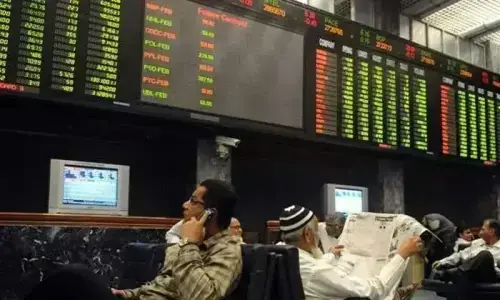
One indicator of this was the recovery in the Karachi Stock Exchange 100-share index to levels around 14,000 currently from 13,300 in early January. It had dropped in the wake of Bhutto’s assassination from near record highs of around 14,800 in December, he said.
Monnoo said that exports would be around $18 billion in the current fiscal year based on the six months to December, after $17 billion in 2006-07.
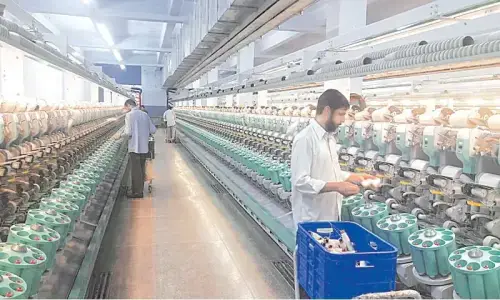
But exports would have been much higher if textiles, which accounted for 63 per cent of Pakistan’s exports in 2006/07, were performing at their full potential, he said.
Textiles are Pakistan’s biggest export product, investment draw and employer, Monnoo said, suggesting Pakistan needed to learn from its regional neighbours, India and Bangladesh.
For instance the Indian government was providing incentives to the textile sector allowing it to withstand recent strength in the Indian rupee, he said.
He noted that India had switched to more productive varieties of cotton, giving it a large surplus over domestic needs, some of which Pakistan is now buying.
At the same time Pakistan’s textile industry needs to diversify into more value-added areas such as making garments and bed linen rather than simply producing cloth, he said.
Monnoo said power was running at about 80 per cent of normal and full supplies should be restored by the end of January.
—Reuters