0
0

MULTAN, March 17: Wapda had agreed to reduce electricity tariff for wheat growers in the Punjab but the government has yet to response to the question of sharing the cost of rebate.
This was claimed by Wapda chairman Lt-Gen Zulfiqar Ali Khan on Saturday night. He was speaking at a meeting of the executive committee of the Multan Chamber of Commerce and Industry (MCCI) here on Saturday night.
He said that the Punjab governor contacted him for the provision of subsidy in power to growers for the 2001-2 wheat season in the wake of scarcity of canal water.
He said that Wapda had agreed to reduce the tariff for farm tubewells by 50 per cent and asked the Punjab government to share the burden on equal basis. “I have yet to receive the response of the Punjab government,” he said.
The Wapda chairman said that the country could not compete the developed world in industrial sector. “There are great chances in the agriculture sector”.
He said that in some Indian states free electricity was provided to the agriculture sector. In other states it was available to growers on very nominal rates. He said India gave a subsidy of Rs199 billion to its power sector and consequently got 35 million tons of grain.
Last year the federal commerce ministry asked Wapda to provide electricity to growers on subsidized rates. The ministry promised to give one-third share to Wapda in return from the expected cotton export, worth Rs3 billion. “But Razzaq Daud gave Wapda only Rs100 million, saying cotton export earnings could reach only Rs 1 billion. Are we running an orphanage?”
He said that Wapda had time and again requested that gas should be supplied to its thermal power stations at the rates the fertilizer industry was getting it but to no avail.
He said Wapda required 700m units of gas but by February last year not a single unit was supplied. Being the producer of a primary product Wapda must be supplied gas similar to the rates fertilizer industry.
He rejected the impression that Wapda had often increased the power rates. He said that on May 16, 1999, the average price of an electricity unit was Rs3.48 which on March 16, 2002, was Rs3.66. During this period the price of furnace oil increased to Rs10,560 from Rs5,500 per ton while that of gas to Rs182 from Rs89 per 100 units.
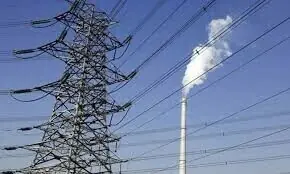
“The prices of electricity have not been increased in proportionate to the hike in oil and gas prices. This is despite the fact that 90 per cent of power generation in the country is thermal-based.”
He said that Wapda would commission power connections for farm tubewells by June 30, 2002, against the applications received so far.
About the independent power producers (IPPs) issue, he said: “The authorities who signed agreements should be hanged (for bringing the country into real trouble)”.