0
0

COLOMBO, June 28: Sri Lankan exporters are being squeezed as fewer container ships heading west call into Colombo, with global shipping lines moving more business to India and its booming economy.Shipping costs have soared nearly $600 for a standard 20-foot container (TEU) over the past six months as a result, compounding problems for Sri Lankan exporters who compete on price, innovation and time with their large northern neighbour.
“Some of the bigger shipping lines have changed their schedules over the past six months and the crisis is affecting exports of garments, tea, rubber and coir (coconut fibre),” said Sri Lanka Shipper's Council chairman Jayanath Perera.
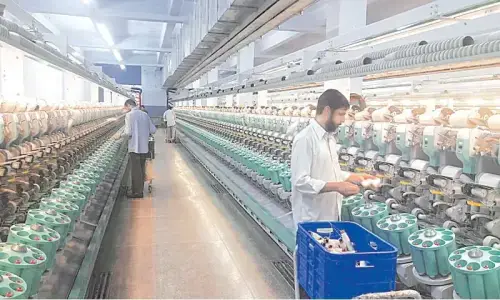
Clothing, which accounts for more than half of the island's near $7 billion export trade, is especially feeling the heat as exporters face tight deadlines from buyers such as Victoria's Secret, Gap, Nike and Marks and Spencer.
“The next alternative is to airlift shipments but that costs 75 per cent more than sea freight. Air freight is not an option for a price sensitive industry like ours,” said shipping consultant Rohan Masakorale.
Masakorale, also a senior member of the clothing industry's Joint Apparel Association Forum, said Colombo port is now fighting to retain its status as South Asia's transhipment hub and to stem the flow of ships to India.
India has embarked on a major modernisation drive of its main ports, slashing charges to attract more international shippers to carry its booming cargo volumes.
Colombo's port, which straddles the Indian Ocean trade from the Strait of Malacca into the Arabian Sea and then onto the Suez Canal, had been considered ideal for ships making the voyage from Asia to Europe and the US east coast.
But big shipping lines such as Maersk, the United Arab Shipping Company, Norasia Container, K-line and Hanjin now bypass Colombo and call directly at Indian ports like Mumbai.
“Earlier, these ships called on Colombo to pick up Indian cargo and then carry it to Europe. There is a shortage now of around 600 TEUs of cargo space each week out of Colombo,” said Perera.
“In some instances, the rate increases are very high and when taken in context of reduced flexibility and capacity, it is potentially very damaging,” said Dilhan Fernando, director at Dilmah, one of Sri Lanka's big tea exporters.
Inefficiencies at the 125-year-old Colombo port and enhanced security measures to prevent Tamil Tiger rebels from damaging the main harbour may also have contributed to the shipping lines' decision, said Perera.
“The entrance to the Colombo port is now partially closed at night to prevent terrorist attacks. Only one ship can come in and go out at a time, causing congestion and unwanted delays,” Perera said.
Despite the constraints, the port's volumes rose 26 per cent in the first quarter of this year, with more than three-quarters of the cargo being trans-shipped.
However, less than one quarter of the Indian sub-continent's cargo now sails through Colombo and that is a problem.
“India is expecting 18 per cent growth in cargo volumes to Europe within the next four years. It could be more. My fear is that we will not be able to capitalise on that growth,” said Perera.Over the longer term, a proposed south port in Colombo is expected to be operational after 2011, while the government this month initiated another port at southern Hambantota, closer to the main international shipping lanes.—AFP