0
0

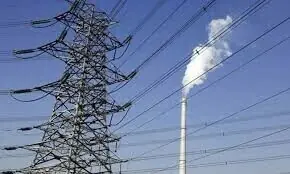
ISLAMABAD, Jan 17: The Asian Development Bank has offered $670 million in new assistance for overcoming partly the worsening energy crisis in the country by developing its renewable energy resources.
Official sources told Dawn on Tuesday that the amount would meet about 80 per cent of the over Rs4 billion, five-year renewable energy development programme in Punjab.
Five hydropower projects have just been identified under the programme.
The main objective of the ADB assistance is to provide adequate facilities for generation, transmission and distribution of electrical energy keeping in view the future requirements for industrial, agricultural and economic development.
The government’s policy for power generation projects allows provinces to develop power up to 50MW installed capacity.
Sources said that the ADB technical experts had approved the power potential of about 50MW capacity available in Punjab on the sustainable basis to provide cheaper, renewable, environmental-friendly and most needed power.
Feasibility studies of five sites which included Marala, Chianwali and Deg Outfall along UCC off-taking from the Marala barrage on the Chanab river, Okara, along LBDC off-taking from the Balloki barrage on the Ravi river and Pakpattan, along the Pakpattan canal off-taking from the Suliemani barrage on the Sutlaj River, have been updated by the M/s Integration Environment and Energy Ltd in association with ENTEC AG under Technical Assistance from the ADB for the Punjab Irrigation and Power Department.
Sources said that the renewable energy plan would help save foreign exchange by not importing fuel that was used in thermal projects.
It would also help save firewood, hence increase in tree and reduction in soil erosion and degradation and increase in house conditions.
The energy generated through the sites will also provide adequate supply to poor and vulnerable consumers and hospitals, schools and other social utilities.
Sources said that the construction of hydropower projects was a specialized job which involved several experts of various engineering disciplines and technologies, hydro-turbines, generators and associated automized control, which would have to be imported for such projects because no local manufactures were available.
The gap between the demand and supply in the past was met through the installation of thermal power projects based on costly imported fuel.
The situation has disturbed the hydel-thermal mix ratio from 65.35 to 35.65 which had resulted into unbearable increase in electricity tariff besides increasing dependency on imported fuels for energy needs.
Under the circumstances, the government picked up the advice of the World Bank and the ADB to explore renewable energy means to meet its present and future energy requirements.
The federal government had established the Alternative Energy Development Board in 2003 to exploit the renewable energy resources with the target to produce 2030MW through renewable means.