0
0

TAIPEI: Japan could make an atomic bomb in as little as six months if it, or any of its Asian neighbours, decides to go nuclear following North Korea’s nuclear test last week, touching off a potential regional arms race, analysts say.
Since Pyongyang told the world it had tested a nuclear device on Oct 9, governments in Japan, South Korea and Taipei have gone to lengths to stress they will not pursue their own nuclear weapons programmes.
Analysts also widely believe pressure from the United States, eager to avoid a destabilising arms race in East Asia, would preclude pursuit of such weapons.
On Wednesday in Tokyo, US Secretary of State Condoleezza Rice assured Japan that the United States would stand by its security commitments in the region.
But many speculate that security priorities could change in the future, especially in light of possible more North Korean tests and the longer term prospect of nuclear-armed, long-range missiles.
A lack of sufficient fissile material to make a device and the expertise to put one together would keep South Korea and Taiwan out of the race in the short term, experts say.
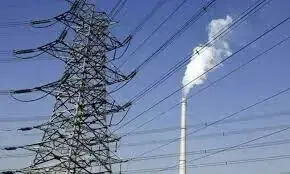
But in Japan, the only country ever to suffer an atomic bomb attack, nuclear power reactors have provided plenty of plutonium from spent fuel to construct a device in as little as half a year, they add.
Any such crash programme would require tremendous effort and likely spark serious internal divisions, said Mark Fitzpatrick, a non-proliferation specialist at the London-based International Institute for Strategic Studies.
“Japan has sufficient reactor-grade plutonium that could, according to some American experts, conceivably be weaponized in as little as two months if Japan put all its national energy into the project,” Fitzpatrick said.
“(But) unless Japan had done some preliminary work, realistically it would take half a year,” he said.
Both South Korea and Taiwan researched development of nuclear weapons in the 1970s and 1980s before pressure from the United States closed them down, according to the Web site of the Nuclear Threat Initiative (www.nti.org). Both have nuclear power plants that have provided waste material that potentially could be used to make weapons-grade plutonium.
Rekindling such programmes, however, would be problematic, both from a practical and political standpoint, analysts say.
“For Taiwan and South Korea to have indigenously produced material, we are talking at least two years, if a crash programme were launched,” said a senior Vienna-based diplomat familiar with the IAEA.
South Korea created waves about two years ago when it told the IAEA it had conducted successful experiments in enriching small amounts of uranium in the late 1970s and early 1980s and had also extracted small amounts of plutonium in the early 1980s.
Since then, it says it has strictly abided by IAEA regulations. Developing the weapons has found traction since the North’s test, however, with 65 per cent of respondents in a recent survey agreeing with such a move.
—-Reuters