India garment makers rethink reliance on US after tariff shock
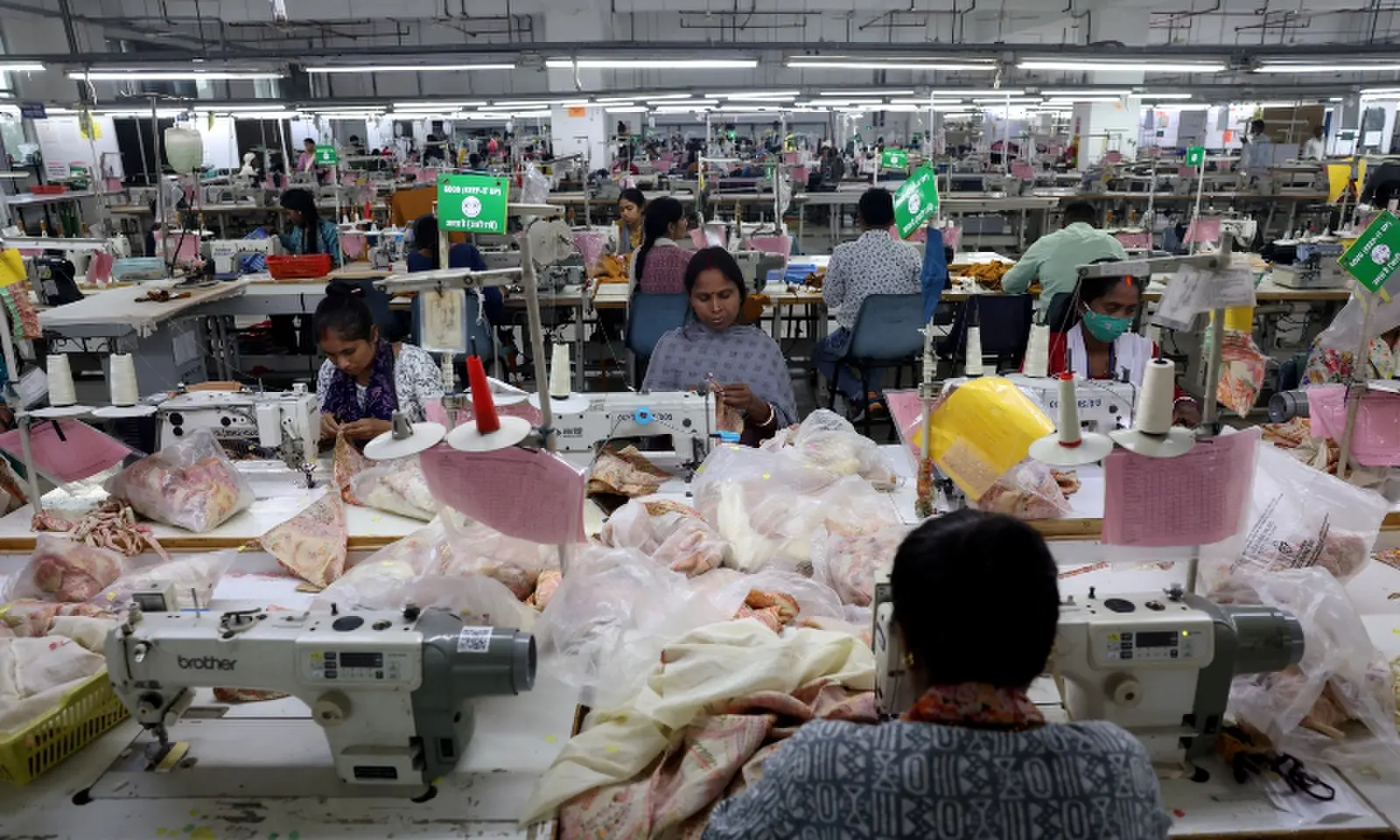
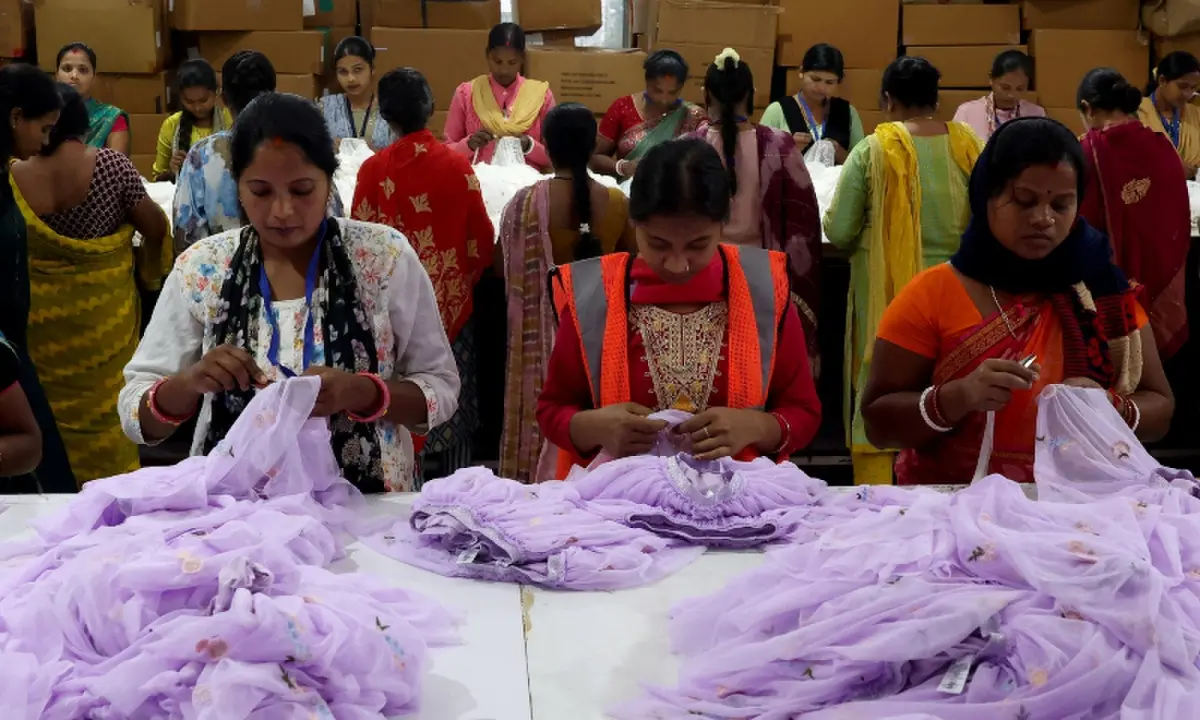
At Orient Craft’s factory in Ranchi, hundreds of women stitch dresses, shirts and children’s clothing for British retailers Next and Marks & Spencer.
Not long ago, most of Orient Craft’s output would have gone to the US. But founder Sudhir Dhingra, 77, has cut shipments there since the US hiked tariffs, which rose to as much as 50 per cent last year, hitting orders from customers including American Eagle and Gap.
Even with duties now lower and the possibility of a trade pact, Dhingra has decided it is too much of a risk to depend so heavily on one market.
“Even if there is a deal, what is the guarantee that it will hold water?” he said. “I don’t wish to see that sword on my head.”
Orient Craft is one of many Indian companies reconfiguring their export destinations, and their exposure to the US, in light of the tariff shock, in a move that is likely to strengthen New Delhi’s hand in its trade negotiations with Washington, and potentially reduce India’s vulnerability to US pressure over time.
Dhingra said US buyers cancelled orders or sought discounts after US President Donald Trump first announced the tariff hikes in April 2025, with some asking suppliers to absorb 25pc of the duty, despite manufacturers’ margins being less than 10pc.
Orient Craft has since moved sales to Britain, Europe and, to a lesser extent, India. The US now accounts for less than 10pc of sales, down from 84pc before the tariffs, with annual exports of about 1.5 billion rupees ($15.82 million).
US duties on Indian product are currently 10pc under Section 301, a US law allowing tariffs on imports, as well as base tariffs from 6pc to 12pc.
Gokaldas Exports, which employs more than 53,000 people and is one of India’s biggest garment exporters, is turning to Europe.
“It is not a temporary shift,” said Managing Director Sivaramkrishnan Ganapathi.
The company aims to raise Europe’s revenue share to 25pc to 30pc over the next 3 to 5 years, he said, from 15pc to 16pc, reducing the US share to 35pc to 40pc from 50pc to 55pc.
In April to August, India’s textile, apparel and home-furnishings exports to the US fell 9.8pc to $4.0bn, while shipments to other markets rose 3.7pc to $15.2bn, according to the Global Trade Research Institute.
Building new markets, lowering costs
Exporters said US tariff uncertainty, higher shipping costs and US buyers’ discount demands have squeezed margins, making other markets, including the UAE, UK and EU, look more attractive.
Indian clothing also gets duty-free access to Britain under the India-UK trade deal that came into effect in July, while a similar EU agreement could eliminate duties of 12pc to 17pc.
“Germany, France, Italy and the Netherlands are key targets,” said A. Sakthivel, chairman of the Apparel Export Promotion Council, an industry group.
Exporters are also looking to lower manufacturing costs.
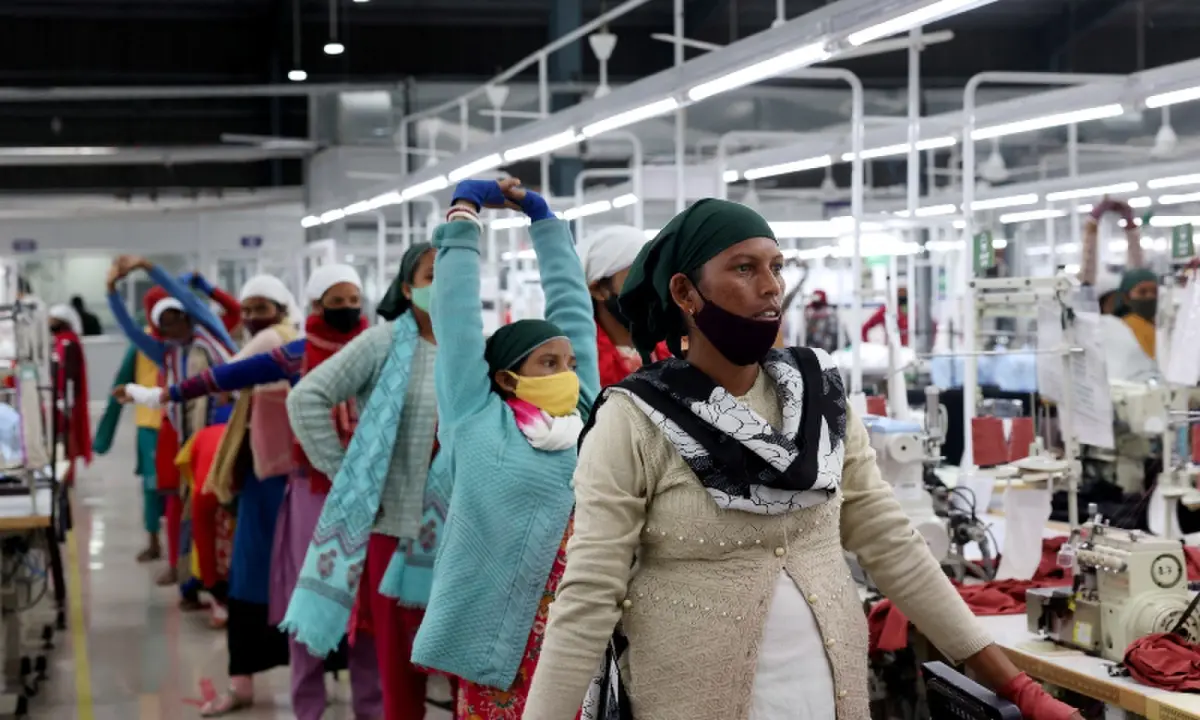
Ranchi, in the eastern state of Jharkhand, is best known for coal and iron ore, but is now luring garment factories with subsidies, easier land access and its educated and reliable workforce.
Reuters visited three factories in and around Ranchi, together employing about 8,000 people.
“We have at least a 10pc efficiency advantage here over other locations,” said Mrityunjay Singh, senior vice president of operations at Gokaldas, which has two factories in Ranchi and plans to open a third, creating up to 4,600 jobs.
“We can’t rely on a single market, product or buyer,” said Birendra Rawat of Ranchi-based Auburn Design, which makes Jockey underwear and clothing for local licensee Page Industries, and produces 5m to 6m garments a month to be sold in India and neighbouring countries.
India’s own apparel market, valued at $150bn and growing 7pc to 8pc annually, provides a buffer against export uncertainty through steadier cash flows and demand.
“Diversification is becoming a structural strategy, especially for exporters heavily exposed to the US market,” said Chandrima Chatterjee, secretary general of the Confederation of Indian Textile Industry.
Exporters said they would not abandon the US completely given the size of the market and longstanding relationships with buyers, but the upheaval of the tariff shock meant the US was unlikely to regain its former dominance, even if duties eased.
“The US market remains important, but it can’t decide the future of thousands of families who depend on us,” Dhingra said.