Father and son among seven killed by Israeli fire in Gaza Strip
RAMALLAH/GENEVA: Israeli forces killed at least seven Palestinians, including a father and his 13-year-old son, in the Gaza Strip on Tuesday, local health officials said.
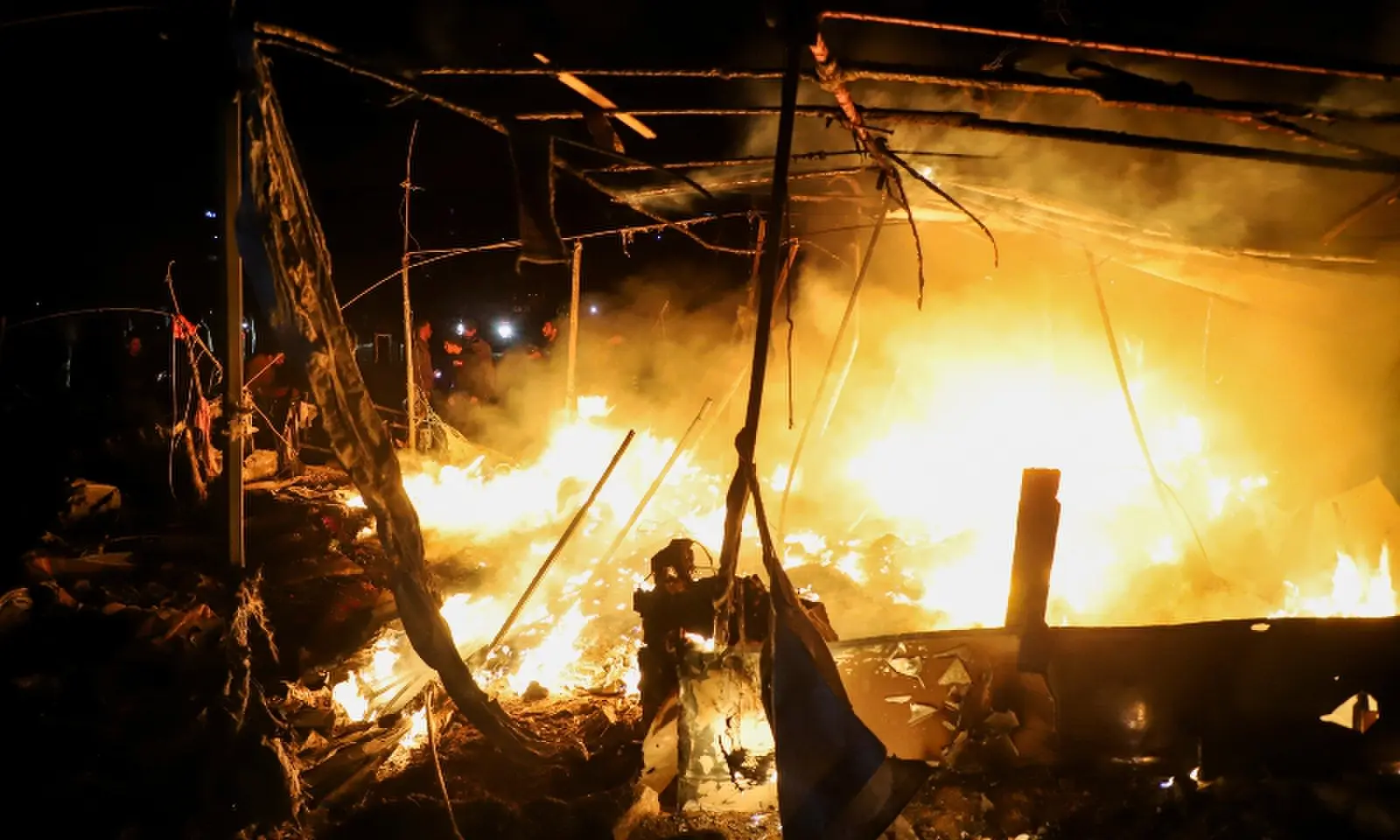
Medics said Fadi Rajab and his son Abubakr were killed in an airstrike that hit the roof of a displacement shelter in the Zeitoun neighbourhood in Gaza City. A third Palestinian was killed in an Israeli airstrike near a school in Gaza City’s Daraj neighbourhood, health officials added.
In Khan Younis, in southern Gaza, Israeli gunfire killed a man, medics said. Later on Tuesday, an Israeli airstrike hit a metal foundry in the Sabra neighbourhood of Gaza City, killing three people, medics said, taking the day’s death toll to at least seven.
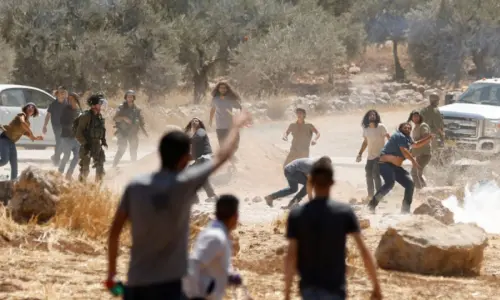
Israeli forces shot dead a 14-year-old in the occupied West Bank, Palestinian officials said, with Israel saying it was responding to stone-throwing.
Moutaz Eyad Daghlas was killed in Burqa, northwest of Nablus, late on Monday, the Palestinian health ministry said.
Unicef says Tel Aviv blocks Gaza basin repairs, warns of flood risk
The Palestine Red Crescent Society said its teams treated two people with gunshot wounds and took them to hospital, but that Israeli forces blocked access to a third wounded person and detained three volunteer paramedics.
Israeli forces have routinely opened live fire on Palestinians including minors who throw stones in the West Bank, which Israel has controlled since 1967.
The Israeli human rights group B’Tselem said Israeli forces killed at least 241 children or teenagers in the territory between the Oct 7, 2023 raid by Hamas and late June this year.
Violence has increased in recent weeks, especially in the run-up to Israel’s Oct 27 election, before which Prime Minister Benjamin Netanyahu had sought to appeal to hardline settlers in the West Bank.
On Oct 23, Palestinian gunmen killed two Israeli soldiers at a checkpoint near Hebron before being killed by Israeli forces, who later responded with a major operation in the flashpoint city.
Flood risk in Gaza
The UN children’s agency said Israel had rejected the importation of equipment needed to repair a water basin in Gaza, and warned that the facility could overflow and endanger nearby residents through flooding and disease.
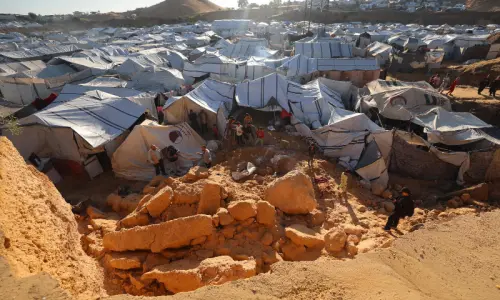
Local authorities say Israel destroyed water infrastructure and vehicles used to pump water during its war against Hamas, which had displaced most of the territory’s more than two million residents and left much of Gaza in ruins. Most of the population now lives in tent camps.
One damaged facility is the Sheikh Radwan stormwater basin in Gaza City, which is now contaminated with sewage and at risk of overflowing after heavy rainfall, according to Unicef’s James Elder.
He told reporters the agency had been working with Israeli authorities and US President Donald Trump’s Board of Peace for a year on a $3 million plan to repair it, but that COGAT, the Israeli military agency overseeing humanitarian affairs in Gaza, had rejected the project in the past few days.
“Toxic sewage could flow into the streets and tents of Gaza City, forcing children and families from their makeshift homes once more, and grossly increasing the threat of disease. So we’re a bit baffled,” he told a press briefing in Geneva. “Let’s do the rehabilitation before this becomes another entirely preventable killer of girls and boys in Gaza,” he said.
This week, heavy rain has already flooded tens of thousands of tents housing displaced Palestinians crammed into encampments across the Gaza Strip. Four people, including three small children, were killed when a sand embankment collapsed on their tents in an incident that highlighted the risks ahead of the rainy winter season.
A US-brokered ceasefire last year called for the eventual reconstruction of Gaza, but little progress has been made as negotiators have failed to agree on terms for Hamas to disarm or for Israel to withdraw its troops.
World Health Organisation spokesperson Christian Lindmeier said at the same briefing there were significant communicable disease risks in Gaza due to flooding, poor sanitation and insufficient health and water services. Nearly 1 million displaced people across Gaza now faced medium or high flood risk, he said.
Published in Dawn, November 11th, 2026