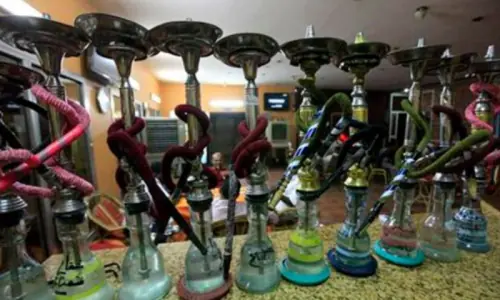
Move to legalise sheesha lounges in Islamabad opposed
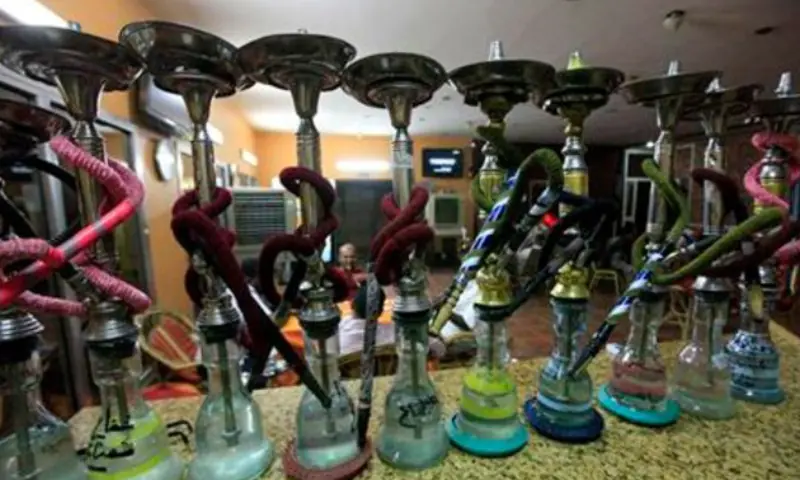
ISLAMABAD: Civil society advocates have strongly opposed any potential move to regularise sheesha smoking in the federal capital, warning that the severe health risks combined with violations of Pakistan’s legal and international treaty obligations would roll back years of progress in tobacco control.
Representatives emphasised that allowing sheesha lounges to operate would directly breach Article 5.3 of the World Health Organisation Framework Convention on Tobacco Control (WHO FCTC), which binds member states to protect public health policies from the commercial interests of the tobacco industry.
The anti-tobacco campaigners representing the Sustainable Development Policy Institute (SDPI) and Blue Veins on Thursday met with senior political leader and Member of the National Assembly Farooq Sattar to raise urgent concerns regarding the potential reversal of the sheesha (hookah) ban in the Islamabad Capital Territory (ICT).
The meeting highlighted the growing tension between public health imperatives and commercial pressures from the hospitality industry and sheesha interest groups.
The delegation explained that sheesha is not a safer alternative to any healthy activity; a single session can expose users to toxic levels of carbon monoxide, heavy metals, and carcinogens, often equivalent to smoking dozens of cigarettes.
Furthermore, they emphasised that the sharing of pipes and communal smoking environments exacerbates the transmission of infectious diseases, creating a secondary public health crisis.
The advocates stressed that any move to allow sheesha in the capital would directly contradict the country’s existing legal framework and undermine years of progress in tobacco control, besides opening the doors for provinces to follow suit.
The delegation presented major arguments on the impact of all tobacco and nicotine products, especially sheesha, on youth and children, and an alarming trajectory of the issue. Currently, sheesha smoking is strictly banned across Pakistan under a Supreme Court order.
However, public health advocates have raised the alarm that the Minister for Health (representing Mr Sattar’s political party) is reportedly considering granting permissions for sheesha establishments in Islamabad.
This proposed re-enactment is allegedly being pushed under intense pressure from sheesha lounge owners and the broader hospitality industry, effectively asking the government to bypass court directives.
During the meeting, the team detailed the severe public health consequences of sheesha consumption, particularly its devastating impact on youth and children.
Mr Farooq Sattar acknowledged the substantial risks posed by all tobacco and nicotine products and firmly insisted that children must be kept away from these harmful substances at all costs.
Published in Dawn, November 6th, 2026