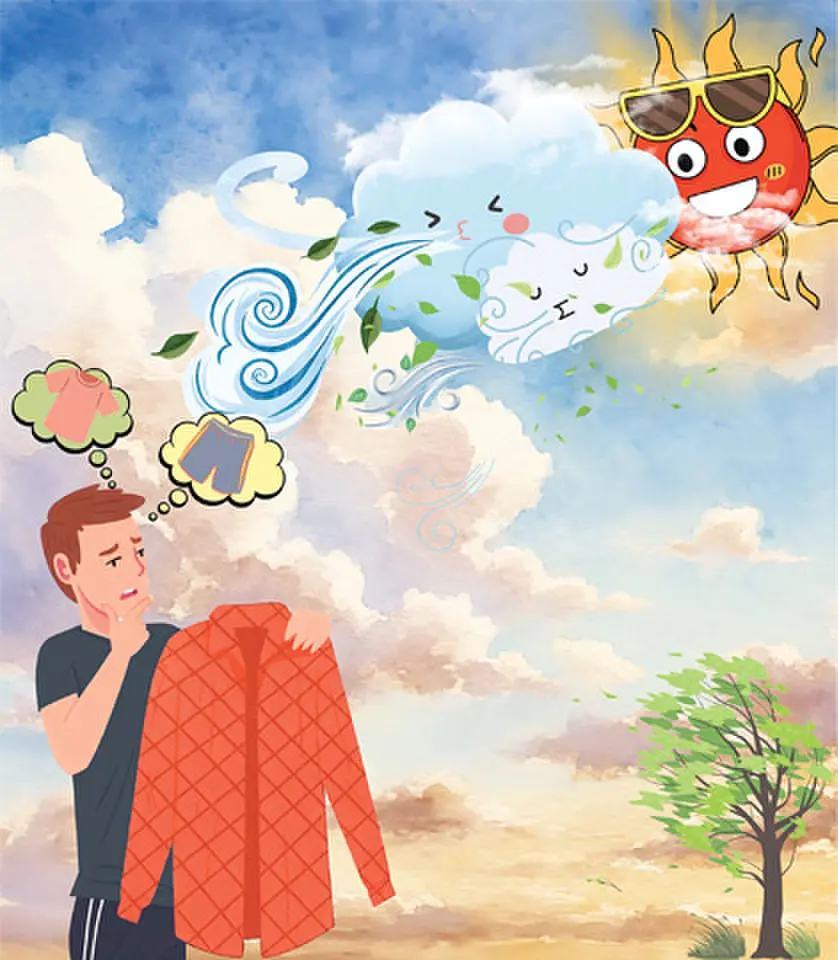
People have moods. Yesterday, they were nice to you; today, they give you a stern look.
Yes, we all have moods. I’m happy sometimes, and suddenly my mood goes off and I become bad-tempered. After all, I’m human, and I react to what’s happening around me or inside me.
But last night, I felt really cold. I asked Mum for a warm comforter. She said everything had been packed away because it wasn’t winter yet. But when I insisted, she opened the cupboard and gave me one. I felt warm and cosy.
When I woke up, I still felt cold. I asked Mum to take out my sweater or jacket because it was chilly. Mum smiled, but said nothing. Confused, I left for school.
I was sweating during assembly. In class, we turned the fan on high, then switched on the AC, and only then did I feel comfortable. By noon, I was drowning in my own sweat and so was everyone around me.
Is it summer, winter or something in between? When the weather can’t make up its mind, our bodies have to cope with its many surprises. Discover the seasonal health hazards to look out for and how to stay a step ahead
My mother’s smile suddenly made sense. Then came an announcement: all children had to stay in their classrooms at home time and leave only when their parents arrived. No one was allowed on the ground because of the sweltering summer sun.
Wait a minute... summer sun? No, actually, it’s autumn sun. So why is it blazing?
Anyway, I reached home feeling so hot that I took a cold shower. By evening, the weather had become pleasant enough for us to feel a chill.
Hey, Mr Weather, what’s wrong with you? Since when did you start showing us your changing moods?
Welcome to the changing seasons! We get scorching summers, sticky monsoons (if there are any) and chilly winters. But seasons never switch over neatly. In between, we get dusty winds, sudden rain and days when the weather can’t make up its mind.
At this time of the year, many people around you may have a runny nose, sneezing, a cough or dry skin. Some just feel tired and cranky. Changing temperatures, seasonal viruses and airborne allergens can all contribute to these problems. So, let’s see what’s happening and how we can look after ourselves.
How do we get sick?
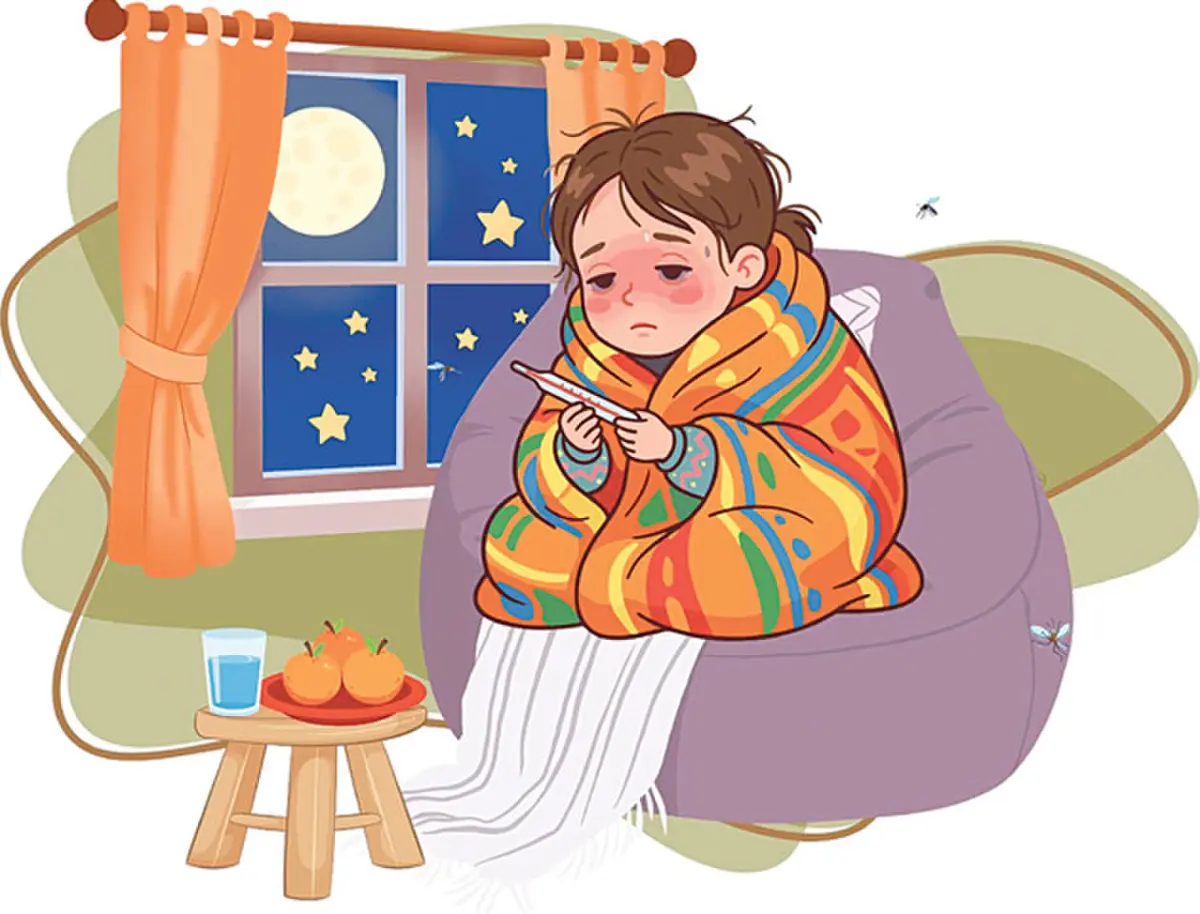
Changing temperatures can make us uncomfortable, but they don’t directly cause colds or flu. These illnesses are caused by viruses, which spread more easily when people spend time together in crowded indoor spaces.
If one person is carrying a virus, it can spread to others nearby, particularly in poorly ventilated rooms.
At this time of the year, pollen, dust and smoke can also trigger allergies, especially if you have asthma. We can’t control the weather (which is already confused, as we can see!), but we can take a few simple precautions.
Colds, coughs and flu
People call every sore throat the flu, but that’s not quite right. A common cold is usually mild, while influenza (flu) can make you feel much more unwell. Both are caused by viruses, but they are different infections. They spread through respiratory droplets and tiny particles released when an infected person coughs, sneezes or talks.
You can also pick up some viruses by touching contaminated surfaces and then rubbing your eyes or nose. Which, let’s be honest, you probably do more than fifty times a day!
The best prevention methods are boring, but they work. Wash your hands with soap and water for at least 20 seconds. This wasn’t just advice during Covid-19; it’s a habit worth keeping. Avoid touching your face with unwashed hands. Sneeze into a tissue and throw it in the bin, or into your elbow.
Don’t share water bottles, towels or that half-eaten snack. If you’re feeling unwell, try to keep your distance from others.
Allergies
Air quality in many cities is getting worse, and dust, smoke and pollen can trigger allergies. Common symptoms include constant sneezing, itchy eyes, itchy skin and a runny nose. Weather changes can make these symptoms more noticeable, too.
Dust mites and mould thrive in damp conditions, while dry, dusty winds can irritate your nose and throat. You may find yourself with a runny or blocked nose. Yes, your nose gets confused, too!
To reduce exposure to allergens, keep your room clean and avoid hoarding things that collect dust (yes, that pile of notebooks and papers!). Use a suitable mask when cleaning or when dust levels are high.
During severe air pollution, a well-fitting N95 or equivalent mask offers better protection against fine particles than an ordinary cloth mask. If you have asthma, keep your prescribed inhaler with you and follow your doctor’s advice.
If you start feeling weak or unwell, or develop a sore throat, tell your parents. Never take medicine simply because a friend or cousin took it for similar symptoms.
Smog and bad air
This is also the time of year when air pollution becomes a serious problem in many parts of Pakistan, especially Punjab. During late autumn and winter, crop-residue burning adds to pollution from vehicles, factories and other sources. Weather conditions can trap polluted air close to the ground, creating a thick layer of smog.
Smoke, dust and harmful particles can make your eyes sting and your throat itch. Check air-quality updates and avoid outdoor activities when pollution levels are high. Stay indoors as much as possible, especially if you have asthma.
If you must go outside, use a well-fitting N95 or equivalent respirator rather than a cloth mask.
Water and food
When the weather gets cooler or we have a sore throat, we sometimes stop feeling thirsty and forget to drink water. But staying hydrated is important in every season. If you have a sore throat, warm water or a drink with ginger and honey may soothe the irritation. It won’t cure an infection, but it can make you feel more comfortable.
It’s really boring to say again that you should eat a variety of foods, including vegetables, fruit, eggs, lentils, milk and whole grains. But a balanced diet provides the nutrients your body needs to stay healthy.
You may have noticed that fruits such as guavas, oranges and grapefruits are everywhere. Include them in your diet, too. Seasonal fruits are a delicious way to add variety and important vitamins to your meals.
Heaters and winter safety
The colder season also brings serious safety risks. In some rural areas, people burn coal or wood to warm their rooms. This can be extremely dangerous in enclosed spaces without proper ventilation. In urban areas, faulty or poorly ventilated gas heaters and geysers can also pose risks.
These appliances can release carbon monoxide, a poisonous gas that you cannot see or smell. It can cause headaches, dizziness, weakness and drowsiness. Severe poisoning can even be fatal.
Never burn coal or wood indoors, or sleep with a fuel-burning heater running in a closed room. Make sure gas appliances are properly installed and maintained by qualified professionals. If anyone feels dizzy, weak or unusually sleepy near a heater, leave the room immediately, get fresh air and tell an adult. Seek medical help straight away.
Dengue and mosquitoes
Yes, the list of dangers isn’t over yet. Damp weather and standing water can create the perfect conditions for our uninvited guests — mosquitoes. And with them comes the risk of dengue.
Mosquitoes love standing water. A bucket, a broken plastic container, a flowerpot tray or even a bird’s water bowl can become a breeding spot. To them, it’s a five-star hotel with free meals. By the way, the meal is you!
The mosquitoes that spread dengue are active during the day, particularly in the early morning and before dusk. So don’t relax just because the sun is out. They can bite you at home, in the garden or even at school.
Before they check in, cancel their booking! Empty containers that collect water, cover water tanks and use mosquito repellent. Wear clothes that cover your arms and legs, and clean water-storage containers regularly.
Sunshine in winter
As I said, the weather is confused these days. Mornings can be hot until noon, while afternoons bring some relief. On days when the weather allows it, early morning and late afternoon are the best times for outdoor activities. The air is neither too hot nor too cold, just right. Make the most of these hours!
Once winter properly arrives, sunshine becomes even more inviting. Sunlight helps your body make vitamin D, which is important for healthy bones and teeth. Spend some time outdoors when the weather and air quality are suitable. Play in the courtyard or sit on the roof with your family.
We can sometimes change a person’s bad mood by doing things that matter to them. But when it comes to nature and the weather, we’re pretty helpless. What we can do is adjust to its changing moods. After all, it’s here and we’re here, too, so let’s plan our routines accordingly.
Eat well, drink enough water and take sensible precautions to protect yourself from germs, allergens and pollution.
Happy moody weather!
Published in Dawn, Young World, November 7th, 2026