Iran ready to reopen Hormuz in two days as Trump hints at deal
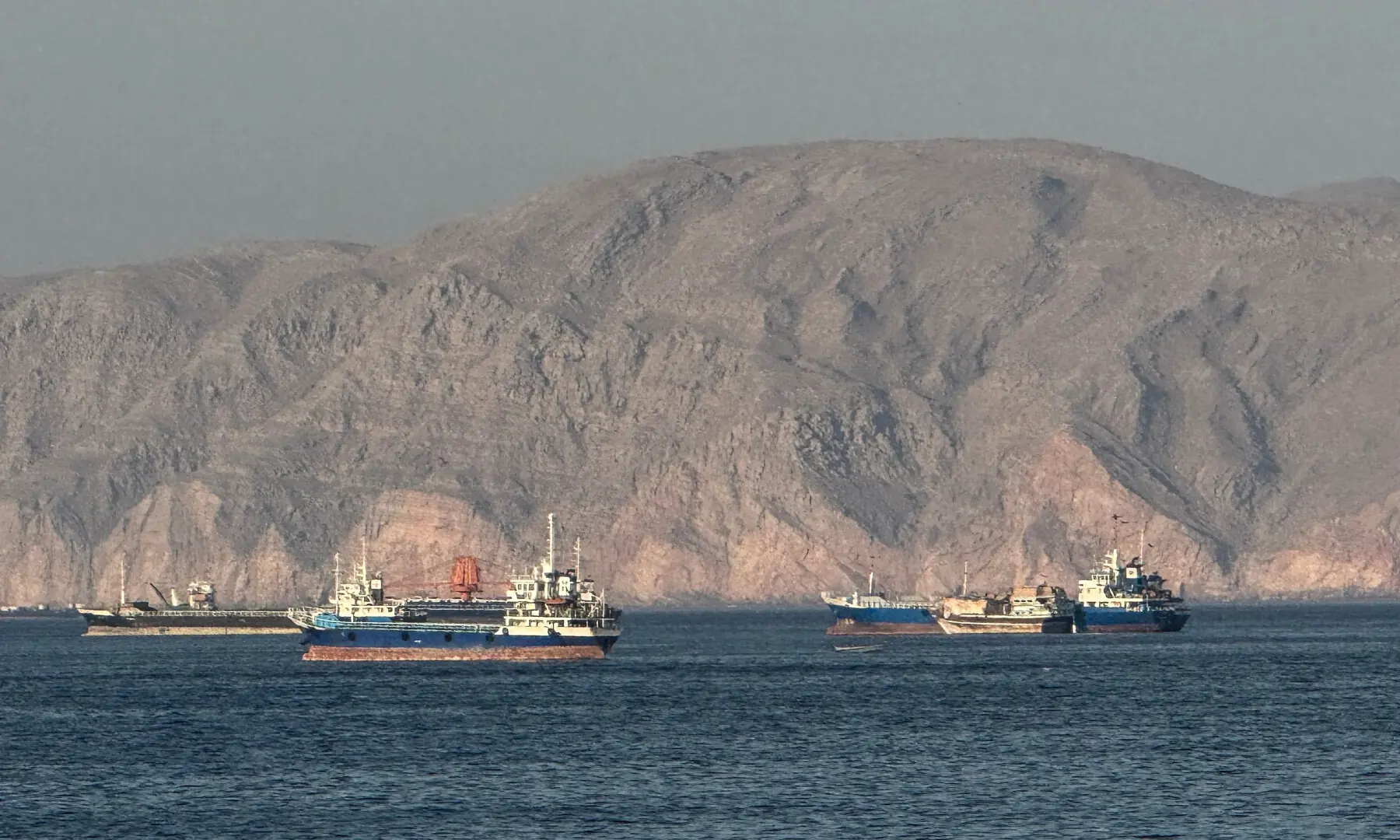
• Tehran reports ‘intensive’ US talks to avert war; draft deal circulates as negotiators leave Doha without breakthrough
• Strait reopening hinges on Washington ending war on all fronts, lifting sanctions, port blockade
• Xi warns Mideast must not become battleground for ‘great power rivalry’
TEHRAN: Iran said on Monday it is ready to reopen the Strait of Hormuz within two days if Washington agrees to its strict conditions amid “intensive” negotiations, while Chinese President Xi Jinping warned that the Middle East should not become a battleground for great-power rivalry.
Meanwhile, US President Donald Trump raised doubts about whether he would follow through on a threatened resumption of military strikes against Iran and said a deal with Tehran could happen.
“Oil Prices are DROPPING LIKE A ROCK, down almost $10 a Barrel, A RECORD, because people feel that there will not be a War with Iran. Iran wants a settlement, as soon as possible. It could happen!” Trump posted on Truth Social.
Contacts between Iran and the US over ending their eight-month war are continuing after talks with Qatari mediators in Doha finished with altered proposals but no breakthrough.
An official briefed on the talks said Iran’s negotiators left on Sunday, though not because of any problems in the talks, adding that a draft proposal for a US deal is being circulated.
“Given the sensitivity and gravity of the current situation, consultations and deliberations are very intensive,” Iranian Foreign Minister Abbas Araghchi told the official IRNA news agency, adding that everything depends on the “political rationality of Washington”.
Araghchi said Qatar and Pakistan are playing a very active mediating role. Meanwhile, President Masoud Pezeshkian said Supreme Leader Mojtaba Khamenei granted “powers” to the government for the talks.
The basis of the dialogue remains Iran’s September seven-step proposal, now condensed for implementation within two days.
The plan calls for the US to end the war on all fronts, lift its blockade on Iranian ports, grant waivers on oil sales, unfreeze Iranian assets, cancel recent sanctions, reduce regional troop numbers and accept a new Iran-Oman transit route.
“The possibility of implementing this plan in two days is another indication of Iran’s good-faith approach,” Foreign Ministry spokesman Esmaeil Baqaei told reporters.
“We have stated that, if Iran’s demands are met, it would be possible to restore security to the Strait of Hormuz and resume the negotiating process within a short period.”
The diplomatic push comes ahead of Tuesday’s US midterm elections, where higher fuel prices are weighing on Republicans. While oil prices dropped more than 6pc on Monday on optimism over the conflict, Iranian sources said they believe a new US attack is still more likely than a deal.
Baqaei warned that any military attack against Iran “will be met with a powerful, immediate and comprehensive response”.
Amid fears the conflict launched by US and Israeli strikes on Feb 28 could reignite, China and Russia spoke out Monday against renewed military action. Meeting Omani Sultan Haitham bin Tariq in Beijing, Xi urged the US and Iran to pursue a peaceful path and achieve a ceasefire.
“The Middle East Gulf region should not become an arena for great-power rivalry and geopolitical conflict,” Xi said.
Chinese Foreign Minister Wang Yi also called for Middle East dialogue in back-to-back Beijing meetings with Saudi National Security Adviser Musaed bin Mohammed al-Aiban and Ali Bagheri Kani, deputy secretary of Iran’s Supreme National Security Council.
Wang urged safeguarding regional energy and shipping security, telling Bagheri Kani that Beijing supports Tehran in “safeguarding its own sovereignty and security” and that parties should “focus on a political solution rather than once again resorting to armed conflict.”
Meanwhile, Russian President Vladimir Putin discussed the Middle East war by telephone Monday with Rezaei as Moscow called reports of new military action a cause for extreme concern.
Addressing the turmoil Monday in Abu Dhabi after a Qatari liquefied natural gas tanker was struck on Friday, United Arab Emirates Energy Minister Suhail al-Mazrouei said the course of the US-Israeli war on Iran cannot be predicted, but the UAE will be more prepared than before.
Published in Dawn, November 3rd, 2026