Forget my phone, can hackers access my fridge?
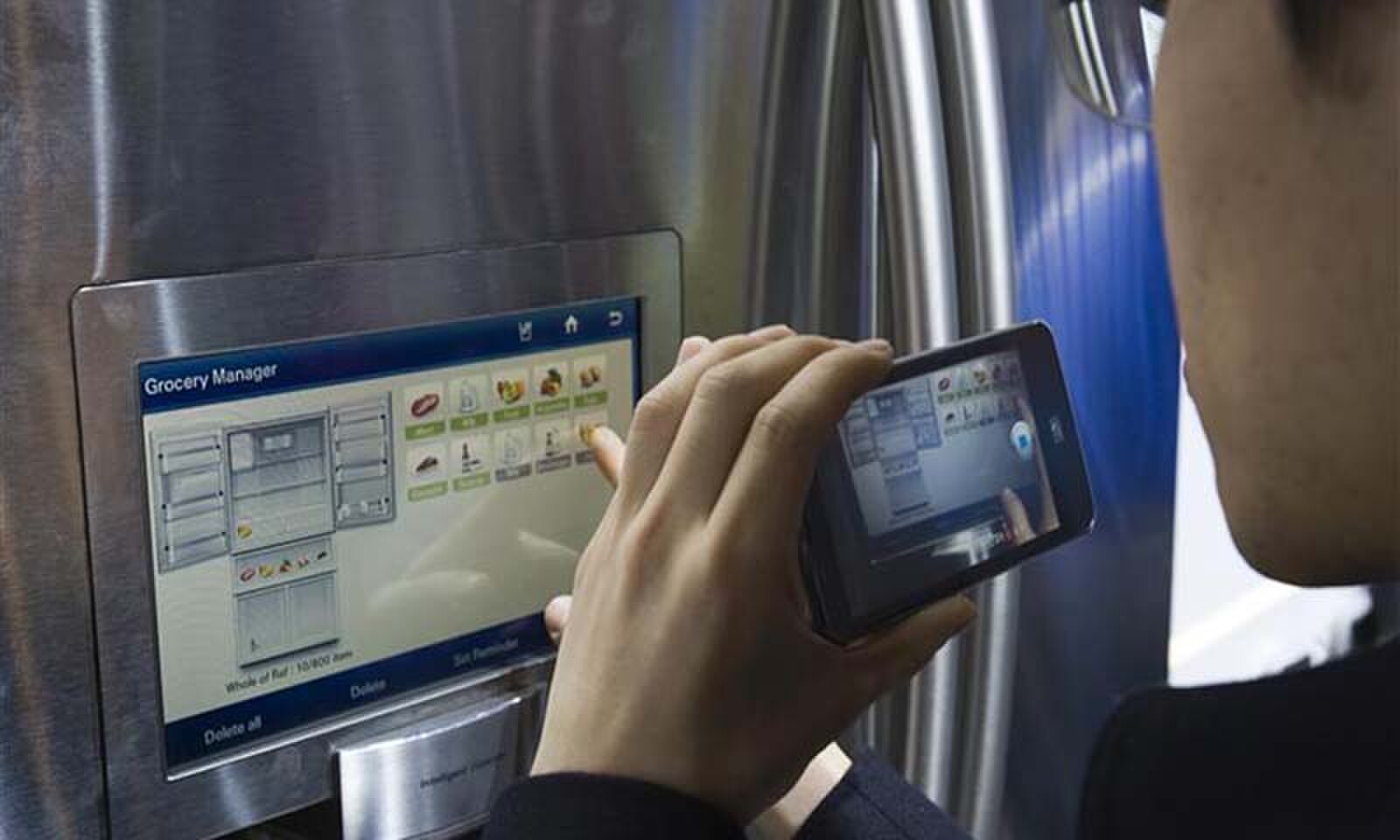
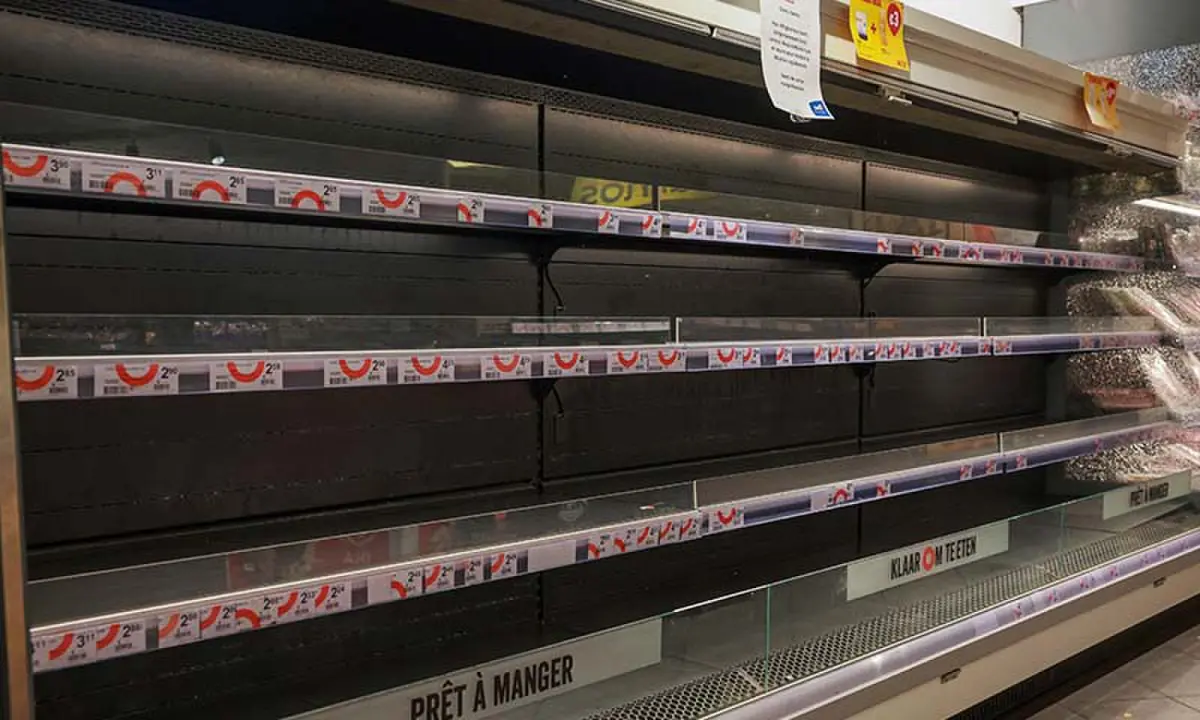
Ahold Delhaize said on Monday that an “IT incident” had hit fridges and freezers in dozens of its supermarkets in Belgium and Luxembourg.
In October, the retailer reported an earlier cybersecurity incident to the Dutch police, coinciding with a cyberattack in France that caused refrigerators and freezers at hundreds of stores to heat up to 50°Celsius overnight, sparking fires and spoiling food.
From refrigerators and heating systems to security cameras and alarm networks, an expanding range of devices once largely mechanical can now be monitored and controlled remotely, creating new opportunities for cybercriminals.
Can hackers really get into my fridge?
In theory, yes. If a device is connected to the internet, directly or through an app, cloud service or home network, it can potentially be hacked.
In 2015, researchers demonstrated at a Las Vegas hacking conference how a Samsung smart refrigerator could be compromised, allowing them to intercept some of the internet traffic passing through the device.
In many cases, attackers are more interested in stealing data, disrupting services or using connected devices as a way into a larger network.
What household devices could be hacked?
The most common targets are devices connected to the internet and controlled remotely. These include security cameras, video doorbells, alarm systems, smart locks, thermostats and central heating systems.
Smart appliances such as refrigerators, ovens and washing machines can also be vulnerable if they are connected to the wider internet. Even some toothbrushes are now internet-connected.
Routers, not appliances, account for more than three-quarters of all attacks on connected devices, according to security-industry data.
The number of such devices has grown rapidly as manufacturers have added internet connectivity to products that were once entirely mechanical.
What could a hacker actually do?
Once inside a device, a hacker can generally do one of two things: gather information or take control of the device.
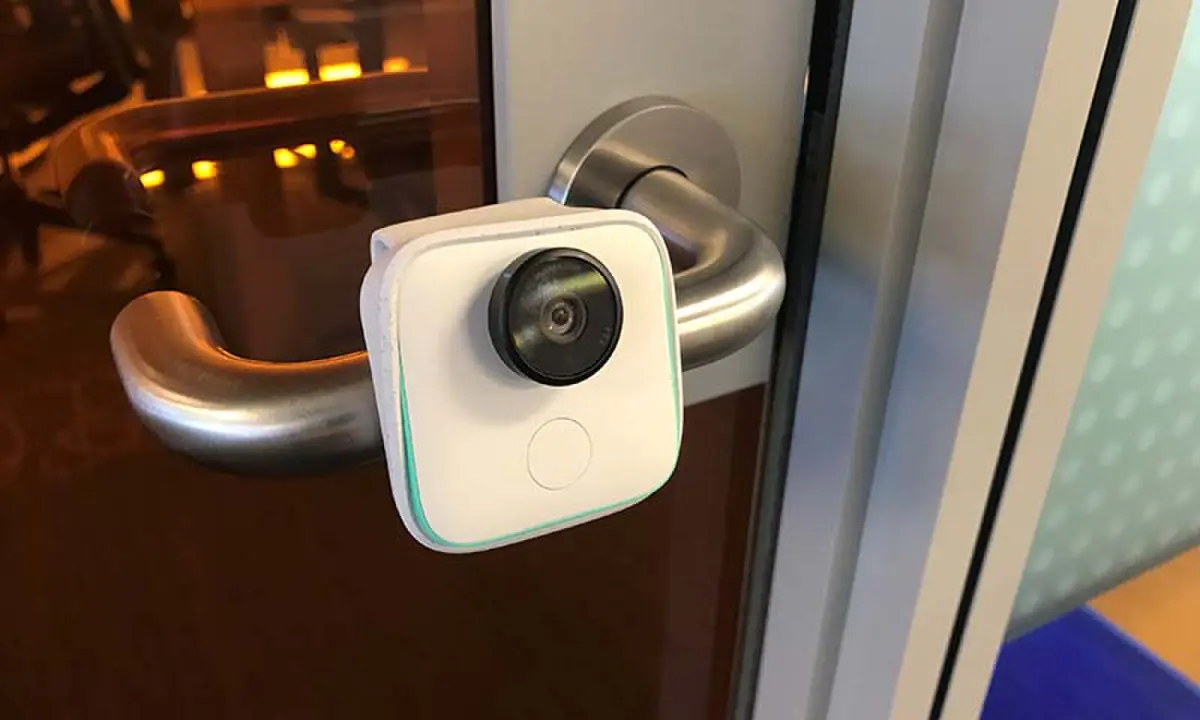
A camera can show the inside of a home, a device with a microphone can pick up sound, and a compromised router can expose everything that travels through the network.
Hackers who take control of a device can switch it on or off, change settings or lock users out of their accounts. A compromised thermostat could affect heating, while a hacked freezer or refrigerator could disrupt temperature controls.
In more serious cases, attackers may use poorly secured devices to gain access to other systems on the same network or to steal personal information linked to online accounts.
Could hackers take over my car, electricity or water supply?
Cybersecurity researchers have repeatedly demonstrated vulnerabilities in connected vehicles.
In 2015, researchers remotely took control of a moving Jeep through its internet-connected entertainment system, forcing the recall of about 1.4 million vehicles and the deployment of software fixes.
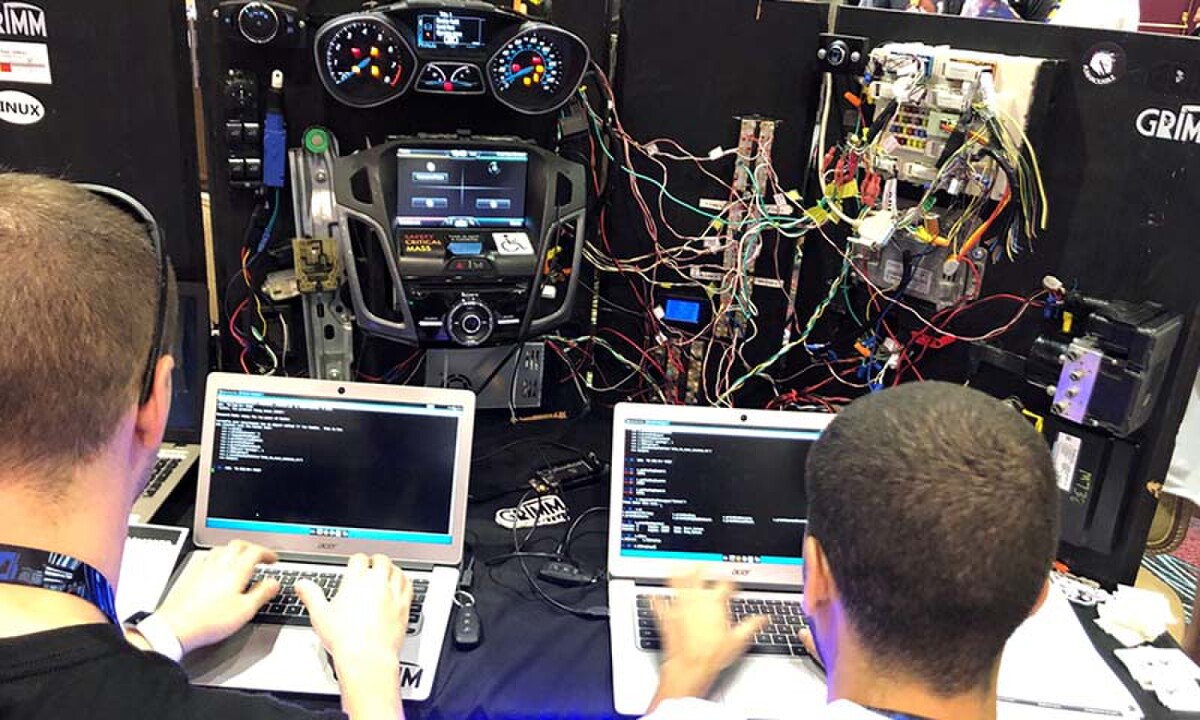
Nearly a decade later, researchers disclosed a flaw that allowed them to track, unlock and start certain Kia vehicles using only a licence plate number. The researchers said they reported the vulnerabilities to Kia, which fixed them within months, and there was no evidence they had been exploited in real-world attacks.
Modern vehicles and aircraft are also designed with extensive safety and backup systems.
Critical infrastructure such as power and water networks generally has multiple layers of security, monitoring and regulation that are not present in consumer devices.
That does not mean they are immune from cyberattacks, but they are typically much harder targets than a household appliance connected to a home Wi-Fi network.
How can people protect their devices?
Cybersecurity experts generally recommend changing default passwords, enabling two-factor authentication where available, and regularly installing software updates.
Consumers should also remove or replace devices that no longer receive security updates, keep most devices on a local network and only connect products to the wider internet when there is a clear reason to do so.
The simplest rule is often the most effective: the fewer connected devices you have, the fewer potential entry points exist for attackers.