• Policy seeks to shift LPG imports and price-setting from Ogra to SOEs
• State-owned enterprises to introduce import-parity pricing based on Saudi Aramco rates and actual import costs
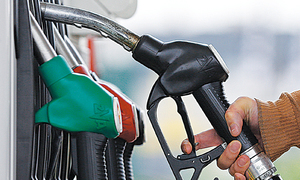
ISLAMABAD: Amid soaring prices following supply disruptions, Prime Minister Shehbaz Sharif has constituted an eight-member ministerial committee to review a set of policy changes proposed by the Petroleum Division for liquefied petroleum gas (LPG).
The proposed reforms envisage allowing state-owned enterprises (SOEs) to enter the LPG import business and take over price-setting from the regulator, with prices subsequently passed on to the private sector.
The committee was constituted after LPG stakeholders, including marketing companies and dealers, protested against the finalisation of the new LPG policy without consulting them. The policy was earlier scheduled to come into force within a week.
Stakeholders said SOEs had limited LPG import experience and warned that the proposed levy on locally produced LPG would push prices higher, calling for a greater private-sector role.
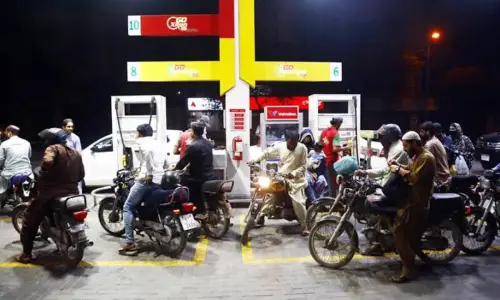
LPG prices in the market range between Rs6,000 and Rs7,200 per 11.57kg cylinder, according to reported market rates, compared with the Oil and Gas Regulatory Authority’s (Ogra) notified price of Rs3,296, as operations at the Iran border came to a halt earlier this month and imports through sea routes declined.
The committee, headed by the petroleum minister, will include the ministers for economic affairs and information, the PM’s adviser on interprovincial coordination, special assistant on energy, petroleum secretary, DG liquefied gases and head of the Government Relations Unit (GRU).
The committee has one month to review the proposed LPG reforms, cylinder standards and local LPG model, and submit a comprehensive report to the prime minister.
A cabinet summary, seen by Dawn, proposes retaining monthly LPG pricing but removing Ogra’s role, with SOEs, including PSO, Sui companies, PARCO and Pakistan LNG, leading the shift to import-parity pricing.
Under the proposal, SOEs would import LPG in bulk and set monthly prices based on Saudi Aramco’s FOB rates, plus actual premiums, freight, insurance, incidental expenses and import taxes incurred in the previous month. “Given the urgency and need for greater participation by larger market players, it is being proposed that financial offers by the bidders would not be published on the PPRA website (exemption), in line with general market practice,” the summary stated.
It also proposed that Ogra immediately stop issuing price notifications for locally produced and imported LPG.
The summary proposed keeping the monthly producer price linked to Saudi Aramco’s current-month contract price (CP) on an FOB basis, with adjustments according to the propane-butane ratio. Local producers would be entitled to receive only this producer price, while the difference between the Saudi CP-linked producer price and PSO’s base price would be deposited into a dedicated fund to subsidise poor consumers through the Benazir Income Support Programme (BISP).
The private sector wants to end Saudi CP-linked pricing, arguing that most LPG imports come from countries such as Iran and Oman.
When SOEs do not import LPG, the previous month’s premiums, incidental costs and taxes would apply alongside the current month’s CP, as in the pricing mechanism for petrol and diesel.
The summary also proposed increasing the margins of LPG marketing and importing companies to a minimum of Rs50,000 per tonne from the existing Rs35,000 per tonne. The increase has been proposed as an inflation adjustment to margins that have remained unchanged since the 2016 LPG policy. However, the revised margins would remain subject to competition.
The Competition Commission of Pakistan and Ogra would be responsible for preventing collusion among industry players.
The proposal also calls for a Producer-Price Differential Fund, with refineries and other producers depositing the difference between local and imported LPG prices into a dedicated Public Account.
The fund would be audited by the Auditor General of Pakistan and used by the federal government to provide targeted subsidies to vulnerable LPG consumers through the BISP scorecard.
The proposal allocates 10pc of locally produced LPG to state-owned marketers at producer prices to supply Gilgit-Baltistan, Northern Areas and other remote regions through cylinders and existing air-mix plants.
The remaining 90pc would be allocated to prequalified bottlers through transparent monthly auctions, with a floor price set at five per cent of PSO’s import-parity price.
Published in Dawn, October 31st, 2026