An orphaned infant sleeps soundly in a cardboard box that is, by chance, stamped with the label “FRAGILE”. Photographed in the aftermath of the 2005 Kashmir earthquake, the image carries the plight of the thousands of children left parentless by natural disasters and it does so without a trace of melodrama.
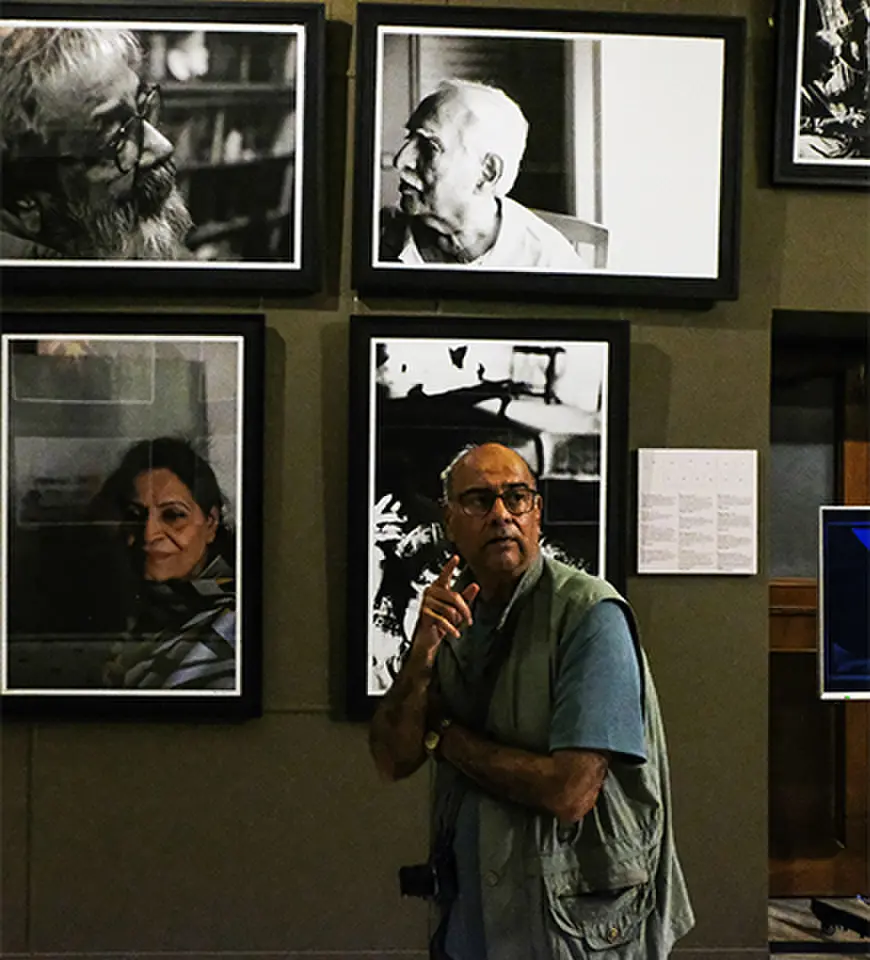
It is the kind of photograph that outlives its moment. What begins as an image becomes a historical record, preserving traces of people, places and ways of life that time has since transformed. It is one of the pictures that anchor ‘The Unbearable Solitude of the Third Eye’, a retrospective of photographer Arif Mahmood’s four decades-long career, which recently opened to the public at the Mohatta Palace Museum.
For Mahmood, the pursuit began in 1985, after he had returned from Otterbein College in the US with a business degree. By 1990, his editorial work was regularly being featured in major national publications, before reaching international outlets such as Time magazine and The Gulf News. In the past 40 years, Mahmood’s work has been exhibited in numerous group shows in Pakistan and abroad. Mahmood also has 14 solo exhibitions to his credit and his prints have made their way into the permanent collection of The Museum of Fine Arts in Houston.
What began as a pursuit of the moment gradually became a meditation on impermanence. “I got conscious of this impermanence as I grew older,” Mahmood reflects. “The loss of close ones makes you become more aware of this constant state of change.”
By bringing together four decades of his work at the Mohatta Palace Museum, Arif Mahmood’s retrospective reveals how photography preserves both a nation’s collective memory and the fleeting details of individual lives
The theme runs through his long-term photo essays, among them Pestonjee, a portrait of a Parsi gentleman he photographed for a decade until the man’s death in 2024. The prints at the Mohatta Palace work like windows to a past that many visitors have lived through, yet they are startled to meet it again, suddenly, on a gallery wall.
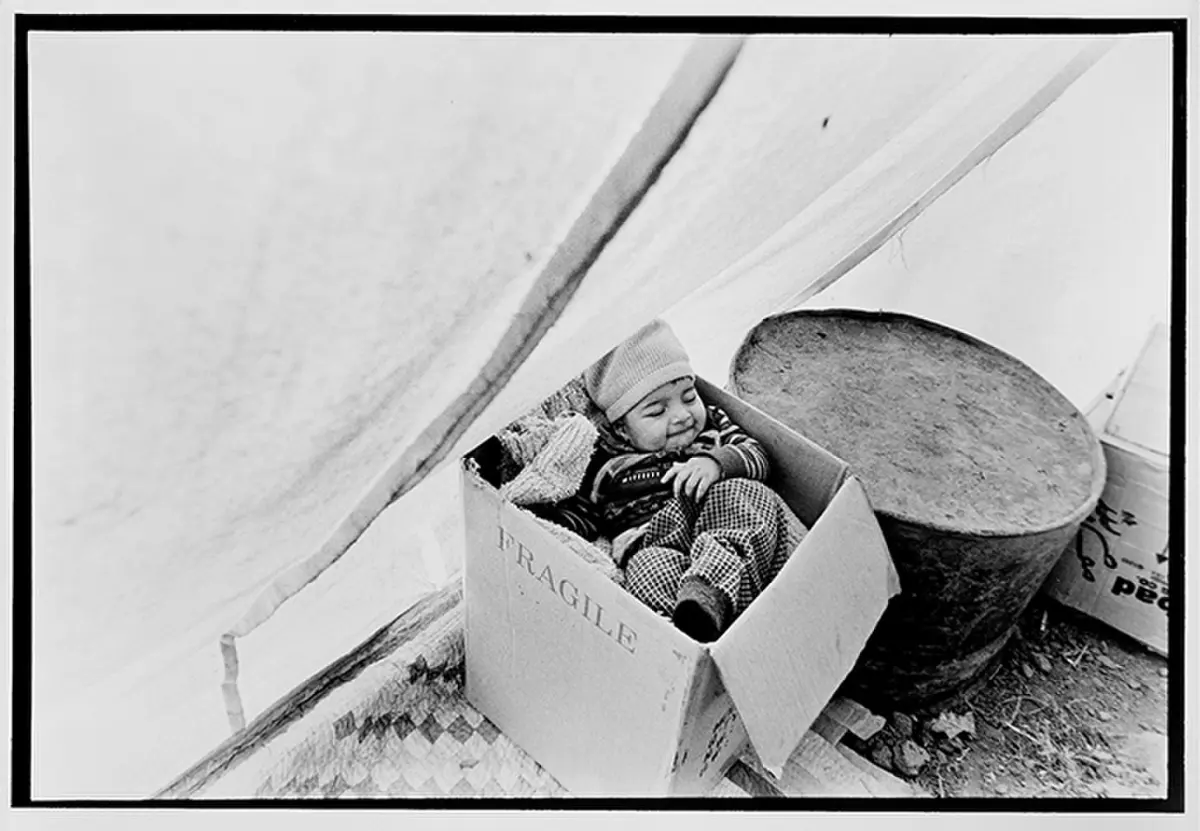
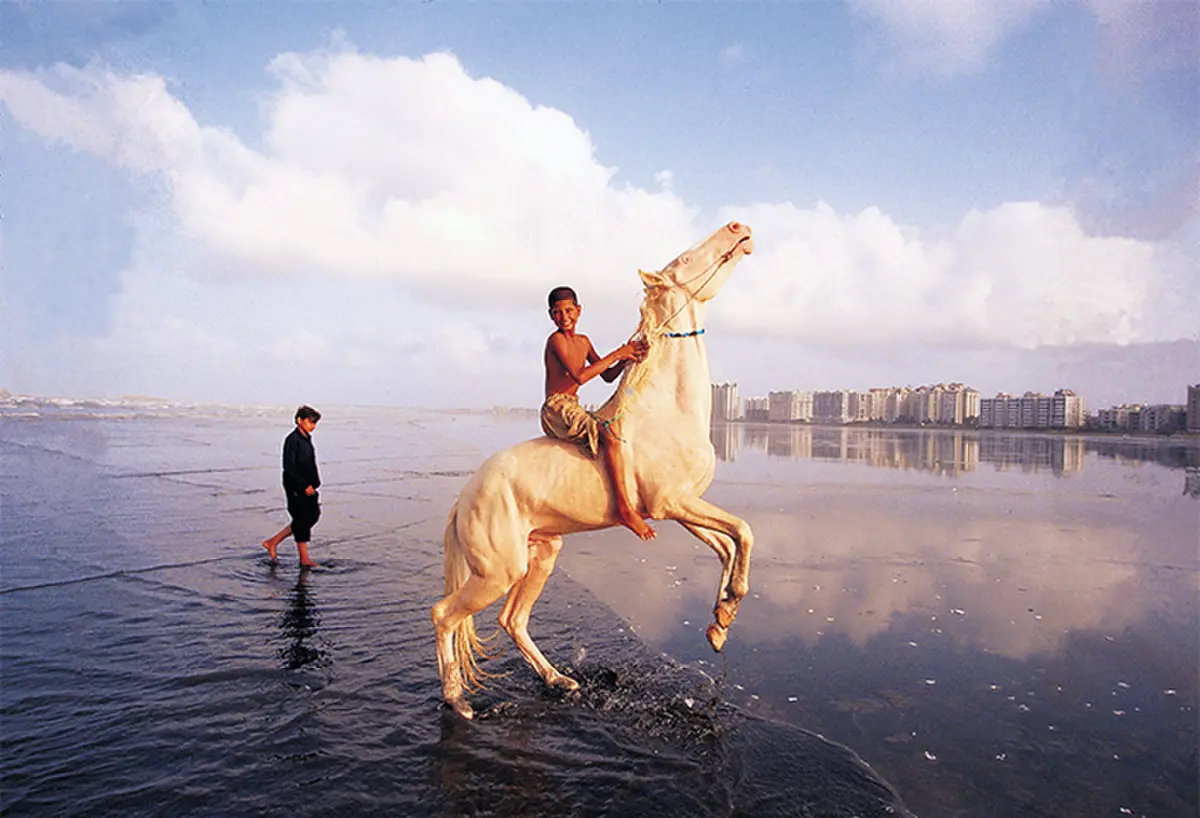
The exhibition, spread across four halls, begins where that encounter is most immediate. The first, ‘The City by the Sea’, brings together Mahmood’s photographs of Karachi, the city where he spent his youth and which has remained a constant subject since the 1980s. The second, ‘Endeavours of the Spirit’, gathers images of events, places and encounters that extend beyond the photographic frame, from the 2005 Kashmir earthquake and the 2010 Sindh floods to the shrines and sacred sites of Hinglaj, Sehwan, Khairpur and Bhit Shah.
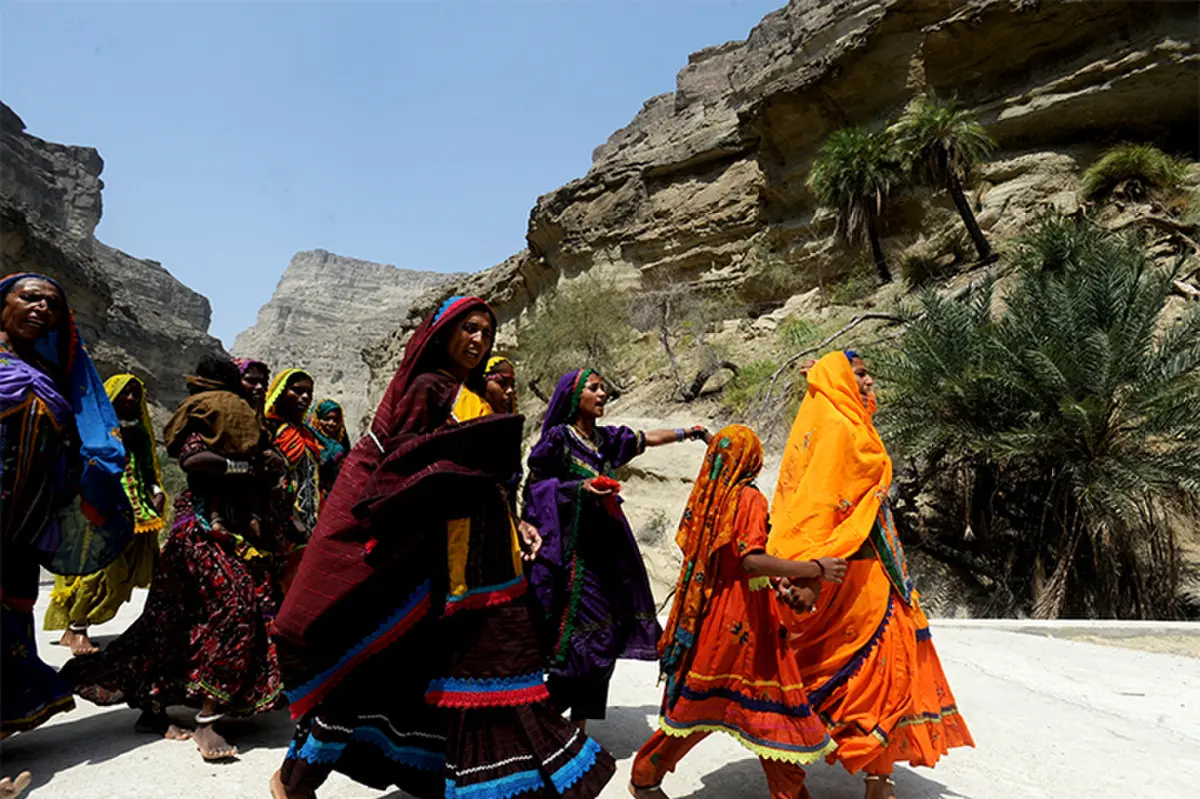
The third hall, ‘Citadels of Light’, turns to Lahore and Punjab, tracing their architectural splendour and cultural life. Among the photographs, an image of devotees in a state of spiritual ecstasy at Lahore’s Shah Jamal shrine, taken in 1994, stands out for its palpable sense of movement and fervour.
In the fourth hall, ‘Legacies in Stone’, the passage of time assumes a different form. Here, photographs of Gandharan sculptures, part of Mahmood’s more recent work, appear alongside images from Italy. A photograph of the archaeological remains of the Fasting Buddha is particularly striking, its textured surface carrying as much weight as the haunting shadow that falls between the sculpture’s upper and lower halves.
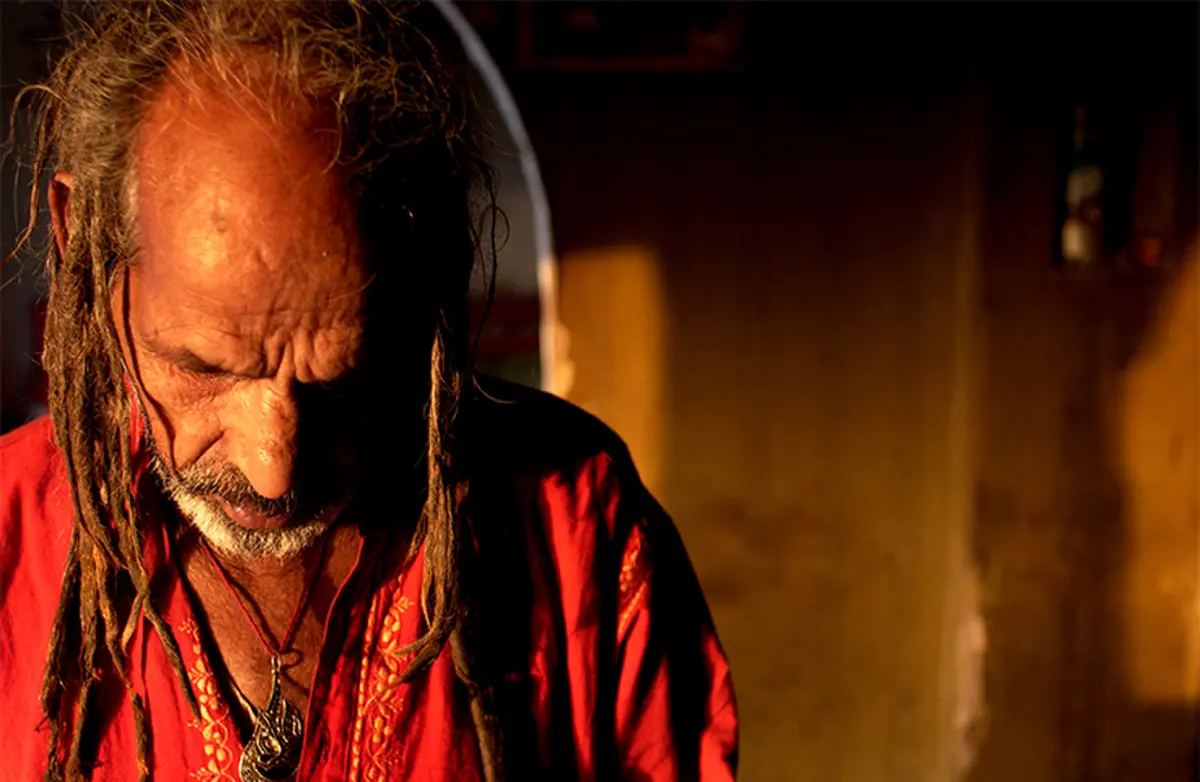
A regular presence in the first three halls is Mahmood’s portraiture. Beyond their striking composition and often rich black-and-white tones, what stands out is how immediate they feel, each carrying the essence of its subject so fully that one almost senses the person standing in the hall. The portrait of a Bodla Fakir whom Mahmood calls “Mama”, the first image a visitor sees upon entering the museum, is a strong example. So is a 1994 silver gelatin print of the poet Jaun Elia leaning against a tree.
Other icons whose photographs are presented here include Javed Miandad, a very young Ali Azmat, Saeed Akhtar and Iqbal Hussain in their studios, and an immersive portrait of Zia Mohyeddin in an empty theatre. Yet, the celebrated faces are only part of the story. “I have photographed several iconic and interesting faces,” Mahmood says, “but what has changed since my early years is that now all sorts of faces draw me, even those we consider ‘ordinary’.”
Although impermanence is not the exhibition’s only concern, it remains one of its defining themes. Mahmood says, “It took me two-and-a-half years to make an edit of around 1,500 images from my archive. These images have been selected from several projects and stories that I have been fortunate enough to document.” Over the course of his career, his subjects have ranged from fashion and music to creative and photojournalistic assignments. As Mahmood puts it, the exhibition offers “a flavour of what I have shot over the span of my career.”
The photograph selection process spanned several months, with the final edit undertaken by the exhibition’s curator Hameed Haroon, bringing the exhibition down to 104 photographs. With more than two dozen books to his name, Mahmood has also developed an extensive body of work beyond the retrospective. Books such as Silver Linings, which is Mahmood’s documentation of the Sufi trail, and Phase 8 Project, which turns his lens towards his own family, offer a more expansive view of his photographic encounters and the breadth of his archive.
Yet, these photographs offer more than documentation. Many possess a distinct visual and artistic quality, while their compositions and treatment of light lend them an almost painterly character. As Haroon observes, “His [Mahmood’s] work affirms that photography stands shoulder to shoulder with other art forms, demanding intention, evoking emotion and offering a unique voice.”
At the Mohatta Palace, the retrospective brings together four decades of Mahmood’s work, underscoring his contribution not only as a documentarian of Pakistan’s social and cultural life but also as an artist whose photographs invite us to reconsider what images preserve and what time inevitably takes away.
‘The Unbearable Solitude of the Third Eye’ is on display at the Mohatta Palace Museum, Karachi from October 4, 2026-April, 2027
The writer is a university student with an interest in urban history, culture and public spaces. Email: pakistaniumer04@gmail.com Instagram: @umersheikh__
Published in Dawn, EOS, November 1st, 2026