Two-day Sindh energy and climate moot announced
KARACHI: Seven organisations on Wednesday announced a two-day Sindh Energy and Climate Conference, to be held on November 3 and 4, billing it as the province’s largest gathering on energy that will bring together policymakers, experts, climate activists, affected communities, and politicians, including Sindh Chief Minister Murad Ali Shah.
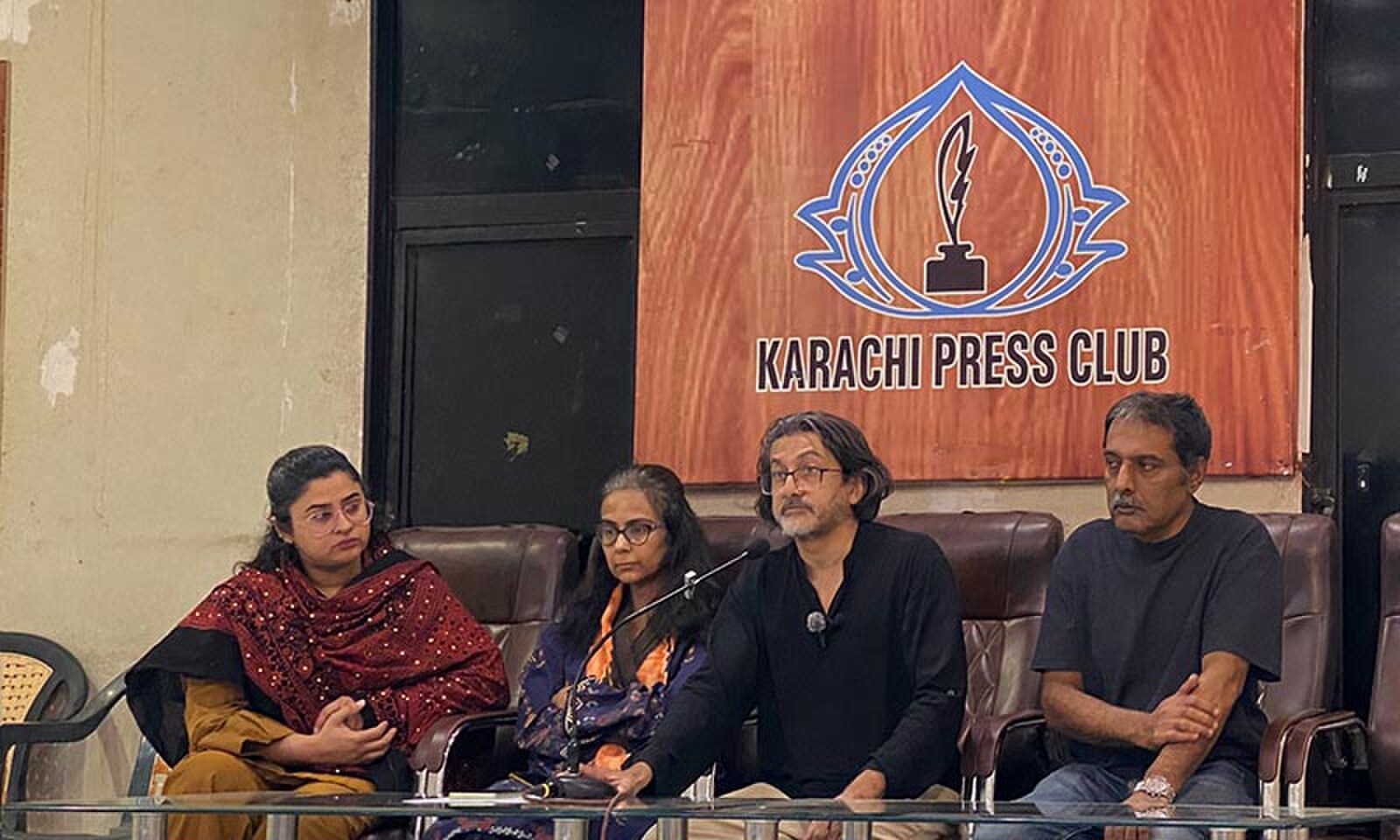
Addressing a press conference at the Karachi Press Club, Climate Action Centre Director Yasir Darya said that Sindh, despite supplying electricity to a major part of the country, especially Punjab, did not have a proper energy policy of its own.
The conference, he said, would seek to chart what such a policy should look like.
The event is being organised by Sath, the Climate Action Centre Karachi, the Civil Society Support Programme, the Pakistan Industrial Development Corporation, The Knowledge Forum, Indus Consortium and the Pakistan Research Institute for Energy and Development (PRIED).
Darya said the organisers were aiming for maximum government engagement. CM Shah will attend on the second day, while various ministries concerned with energy and climate, including the climate and labour ministries, had confirmed their participation, he said.
Community leaders from across Sindh, particularly from areas without electricity, would also take part, he added.
“The energy portfolio is spread across different ministries and offices, and yet there is no concentrated effort to address Sindh’s energy situation,” he said, adding that the province’s needs would only grow and the government needed to plan for the next 20 to 25 years.
‘Leave no one behind’
Darya said the 10 sessions planned over two days would include discussions on energy access and climate justice, the transition away from fossil fuels and decentralisation of energy, as well as on wind and solar adoption, zero-emission transport and climate finance.
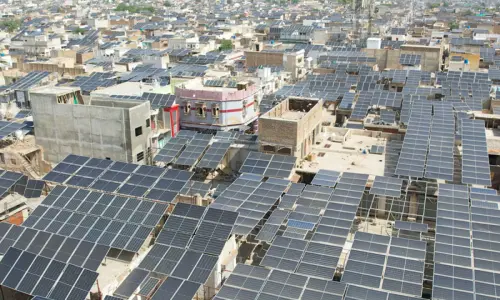
Among the questions to be raised, he said, was why people were not benefiting from the rapid growth in solar power.
“We have a solar energy boom from 1 to 50per cent, so why isn’t it reaching the locals?” he asked, pointing out that solar’s share in the power supply had risen sharply within a year while many people still had no electricity.
He also questioned why the electric vehicle sector had not grown as expected even though over 100 licences had been issued to manufacturers in the past year and a half.
Stressing climate justice, he said the organisers’ aim was to “leave no one behind”. He said the conference would also look at the gaps that had kept wind energy from becoming mainstream and would present a heat plan for next summer.
“We need to move towards clean energy and the conference is meant to plan how exactly that can be done,” he said.
On climate finance, he said there was a complaint that resources available to the Sindh government for climate action did not reach the city level, in Karachi or elsewhere in the province.
Cost of solar for villagers
PRIED’s Mehwish Laghari said villagers often had to buy solar panels in instalments at nearly three times the usual price, and questioned why they should be forced into such arrangements.
“Women mustn’t have to sell their gold to buy one or two plates of solar,” she said.
She stressed the importance of making solar panels available at subsidised rates through the government, an issue she said would also be taken up during the conference.
Zeenia Shaukat of The Knowledge Forum identified coal as the biggest hurdle to clean energy in Pakistan.
“Until these structures are standing and functioning, we will have pushback,” she said.
“Sindh has a special position to be a hub for coal energy across the country. Thus, it will be Sindh that decides whether Pakistan shifts to clean energy in the future.”
The organisers said the conference would also include a Sindhi literary session on the theme of climate towards the end of the first day and, on the second day, a performance by musicians from Tharparkar, who will express what Sindhi culture had to say about coping with climate challenges.