Bilawal calls for ‘burying’ debate over new provinces
• No one from outside Sindh can decide the province’s future, PPP chief asserts
• Population boom, diverse needs require decentralised governance, says Mustafa Kamal
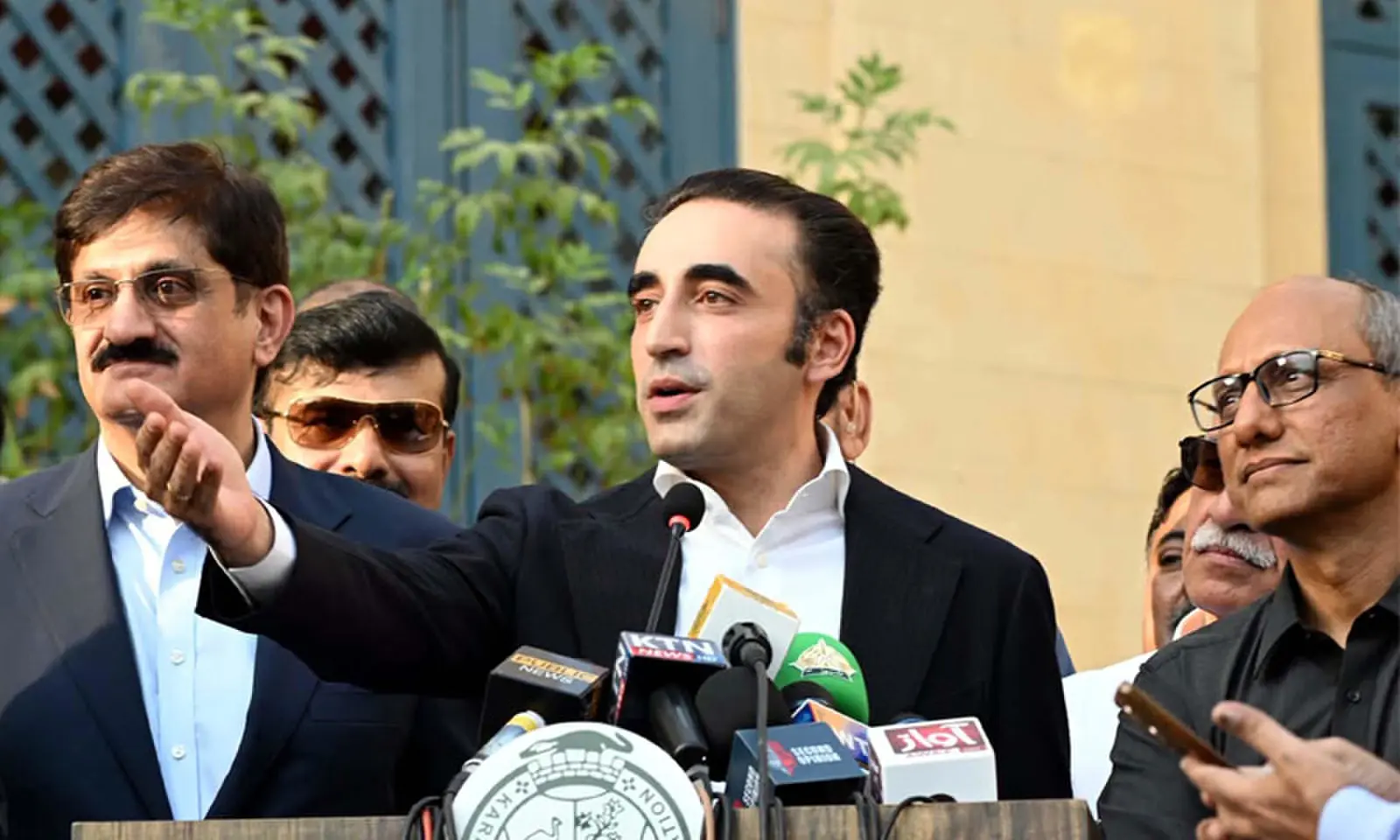
KARACHI: PPP chief Bilawal Bhutto-Zardari on Tuesday called for an end to conversations regarding the creation of new provinces or administrative units, saying no one outside Sindh could decide the future of the province or its capital Karachi.
The PPP leader made these remarks while speaking to journalists after inaugurating the restored historic Spencer Eye Hospital in Lyari.
“So we should now put a full stop to this conversation as well,” he said while replying to a query. “The people here [Sindh] and their elected representatives have given their verdict and only the people here can decide the fate of this province. No one else can decide the fate of this province or this city. So I think we should now close this topic because the people themselves have closed it,” he said, referring to the resolutions against new units.
Asked about the federal government’s “continued neglect” of Karachi in terms of development projects, he said Islamabad should pay greater attention to the country’s largest city and ensure that its development needs were given due consideration at the federal level.
When asked about ongoing conversations regarding a 28th constitutional amendment and whether the government had spoken to him in this regard, he simply replied: “No.”
The PPP chairman expressed satisfaction over the Spencer Hospital’s restoration and the provision of modern facilities, and praised the development work being done by KMC under the current administration. “It is the duty of the government and politicians to work on solving people’s problems instead of spreading the politics of hatred and division. Inflation, poverty and unemployment are at their peak and people are facing economic hardship. In such difficult times, the Sindh government and KMC are trying to take steps to ease the economic burden on the public as much as possible,” he added.
Without naming the party directly, he also criticised the MQM-P, a federal government ally. “All of us should make efforts,” said the PPP chairman. “Karachi is the economic hub of this country. The federal government representatives or those who show interest in Karachi promote the politics of hatred and division among the people here instead of working. Perhaps they do so because they know that despite holding such important federal offices, they have done nothing for Karachi…”
New models needed
Separately, MQM leader and federal Health Minister Mustafa Kamal highlighted the need to restructure Pakistan’s administrative system, arguing that the country’s growing population and diverse regional needs required a more effective and decentralised model of governance.
Shortly before the PPP chief’s remarks, Mr Kamal told reporters outside the National Assembly that the devolution of powers under the 18th Amendment had not empowered people at the grassroots level.
“While provincial governments received greater authority and resources, many districts, towns and rural communities continue to face challenges in accessing basic facilities and development opportunities,” he said.
“Creating smaller administrative units, supported by effective local government systems, can bring decision-making closer to citizens, improve resource distribution and address the sense of deprivation among underserved communities,” he said, adding that governance should not remain concentrated in provincial capitals.
Authority, resources and accountability must reach people at the district and grassroots levels, he said, adding that growing disparity had created a deprived segment of society that felt increasingly frustrated and alienated.
Published in Dawn, October 28th, 2026