This upcoming indie horror game inspired by Lahore's smog turns Pakistani trauma into treasure
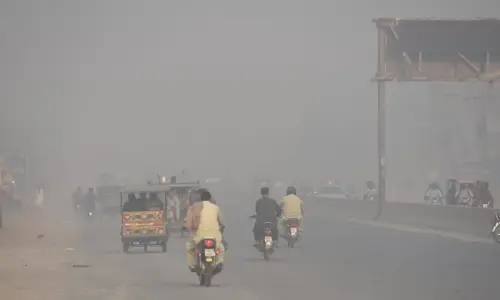
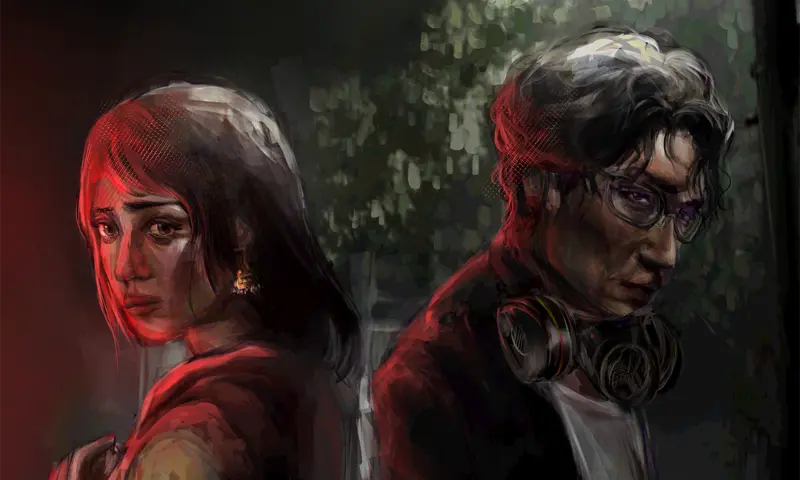
Every year, Lahore is choked by a smog season worse than the last one, points out student and independent video game developer Ibrahim Hisham. This is his inspiration for Fogbound — a short psychological horror game slated to release at the end of this year under his studio Minidevs — which features a poisonous, mind-eroding fog spreading through a 3D-modelled Lahore.
The game is a story-based walking simulator that has the player assume the role of Riaz, a member of the Air Quality Task Force in the quarantined city. As Riaz, you explore different pockets of the city, decontaminating zones and placing monitors to keep things running as best as possible. The fog, meanwhile, turns people into ‘sayahs’ — literally shadows of their former selves — and as Lahore is fully locked down, trying to get you and your partner Amara out is a bureaucratic nightmare of its own.
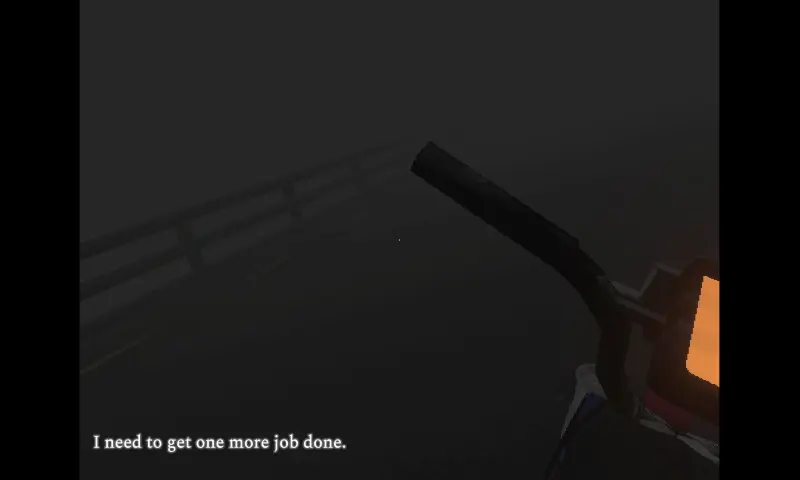
Despite being only 18 years old, this is not the first game Hisham has published. In fact, the developer has been creating games since before he hit double digits, including arcade shooter Pointblank on Steam and several game jam creations available on Itch.io. While all of them are entirely different in style, concept and genre, this one is described as “mostly interactive fiction”, akin to a walking simulator — there will be “light combat” and puzzle elements, but the main focus is on telling a story through dialogue, exploration and a linear narrative of about one and a half to two hours.
Hisham told Dawn that the toxic fog is heavily based on his experience growing up in Lahore, where he has watched the air quality decline year after year.
“I think grade 4 or 5 was the first time I remember it was something we talked about in our morning assemblies,” he recalled. “After that it just got worse … We had to start wearing masks around that season.”
In 2024, his school shut down for about two weeks due to hazardous air quality, which was where the seed was planted for the game.
“I think that also gave me a bunch of free time to think about the situation a little more,” he added jokingly. “And so, just sort of extrapolating that into … a horror idea for an imagined future where it just goes completely crazy.”
Although the game is not quite rooted in realism, it promises splashes of reality in the themes it explores. For example, the central tension of the story revolves around Amara, Riaz’s partner whom he brought to Lahore before the quarantine, and the resulting conflict between the two as he tries to get her back out.
The specificity of the developer’s experience with Lahore’s worsening smog is why the game is firmly rooted in the city itself, instead of just inspired by it. That said, it isn’t intended to be a game exclusively ‘for Pakistanis’, and the appeal of the premise extends beyond just finding new local talent.
“I would say it’s more of a storyline that transcends,” he said. “It’s grounded in that culture and that setting, but the story itself revolves around a bunch of themes like dissociation, guilt — something that would be applicable to a wider audience.
“I don’t think I could imagine this story that I’ve thought out happening outside of Pakistan, because the entire smog conflict is something that I wanted it to be rooted in,” he added.
“My idea with this in terms of appeal is that I want Pakistanis to feel represented, but I don’t want the story to just remain confined to something that only a Pakistani were to enjoy.”
Still, the game’s Pakistani roots and setting will be felt by players in another way: while the upcoming release of Fogbound will be in English, Hisham is planning to roll out a roman Urdu translation later so that it can reach the wider subcontinent. (Right-to-left or RTL text, for languages such as Urdu and Arabic, is a notoriously difficult facet of game localisation, so an Urdu-script translation remains off the table for now.)
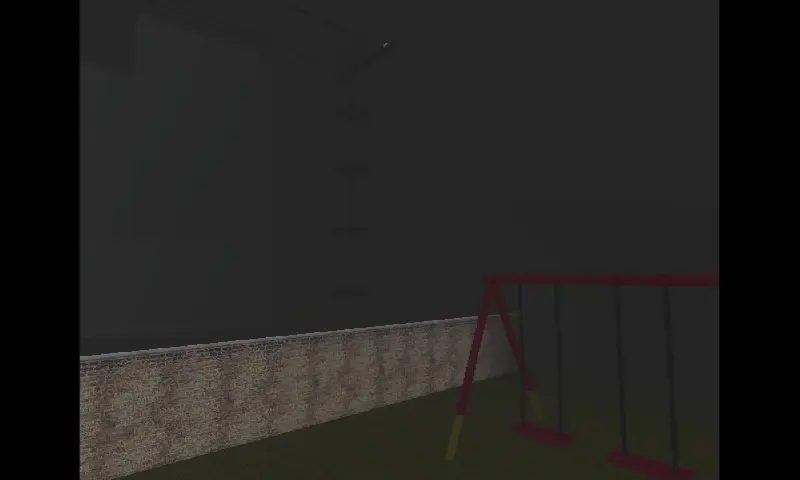
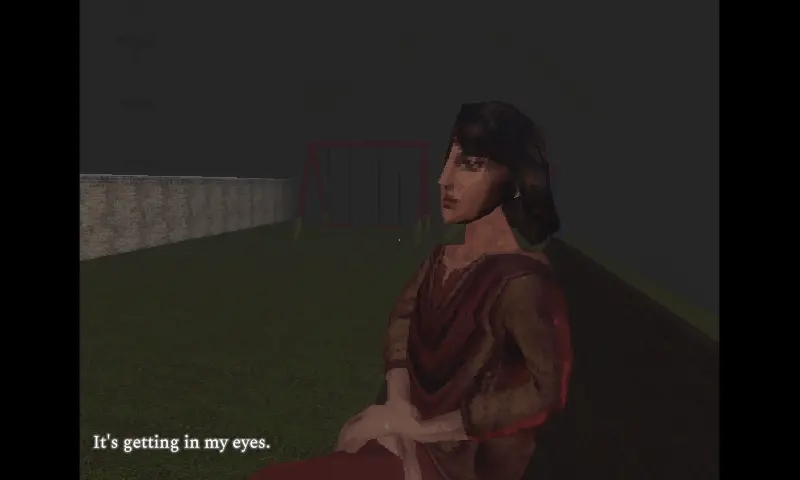
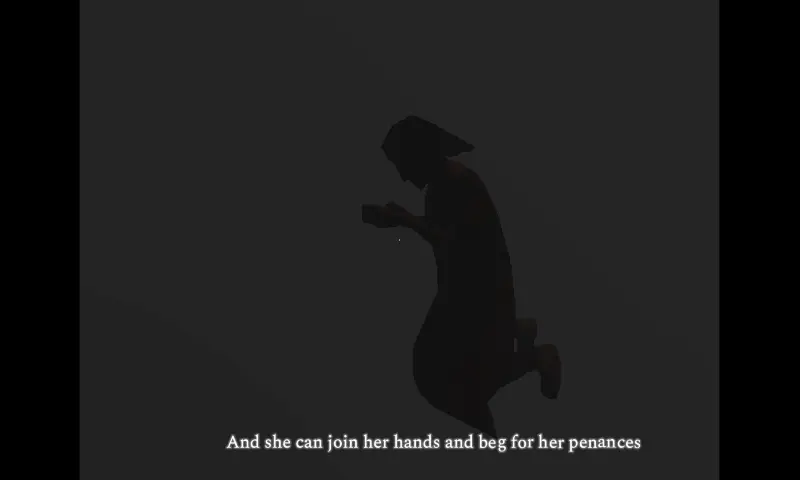
Fogbound is created by a team of three. The art — featuring low-poly models deliberately designed to evoke old PlayStation games and a 3D-modelled city of Lahore — is all handled by one artist, while the music consists of 20-30 “dark ambient” tracks composed by a musician in Russia who was recruited to the project through Discord. The rest of it is entirely spearheaded and executed by Hisham.
The visual inspiration for the game comes from a ‘PSX-style’ aesthetic, which features low-poly graphics and models to evoke the feeling of playing on older PlayStation models. According to the creator, this is popular among indie developers as an accessible way to bring ideas to life, while also leaving “more to the imagination”.
A trailer is expected to drop for the game in November, while the game itself is planned to release on Steam at the end of December. Hisham noted that success for him looks less like revenue and more like having an influence.
When asked, he said that players who are interested in narrative-driven indie titles and interactive worlds to explore are his target audience. Those who exclusively lean towards action-packed AAA titles will likely not get the fix they’re looking for — but those interested in a short, interactive and introspective story will want to keep an eye out for this at year end.
“Personally, for me, it doing well is just people talking about it … it having some sort of impact in the Pakistani indie game scene, because it’s pretty fragmented right now,” he told Dawn. “So people can be like, ‘Oh, this is something you can maybe do,’ and so there’s more people being really crazy about their art and just wanting to make something really good.”
He added, “I consider this a success if I finish this game exactly how I wanted to finish it, and if people care about it enough to talk about it and it leaves some sort of mark in the Pakistani indie scene. Even if not in a global way — as long as it has some sort of impact there, I’m happy.”
Nazish Talati is a sub-editor on Dawn’s online news desk with a year of experience in communications and teaching. Her work focuses on global culture and entertainment news, particularly Japanese culture. She also reviews video games for the publication.