Conference spotlights access to education, legal protection for women
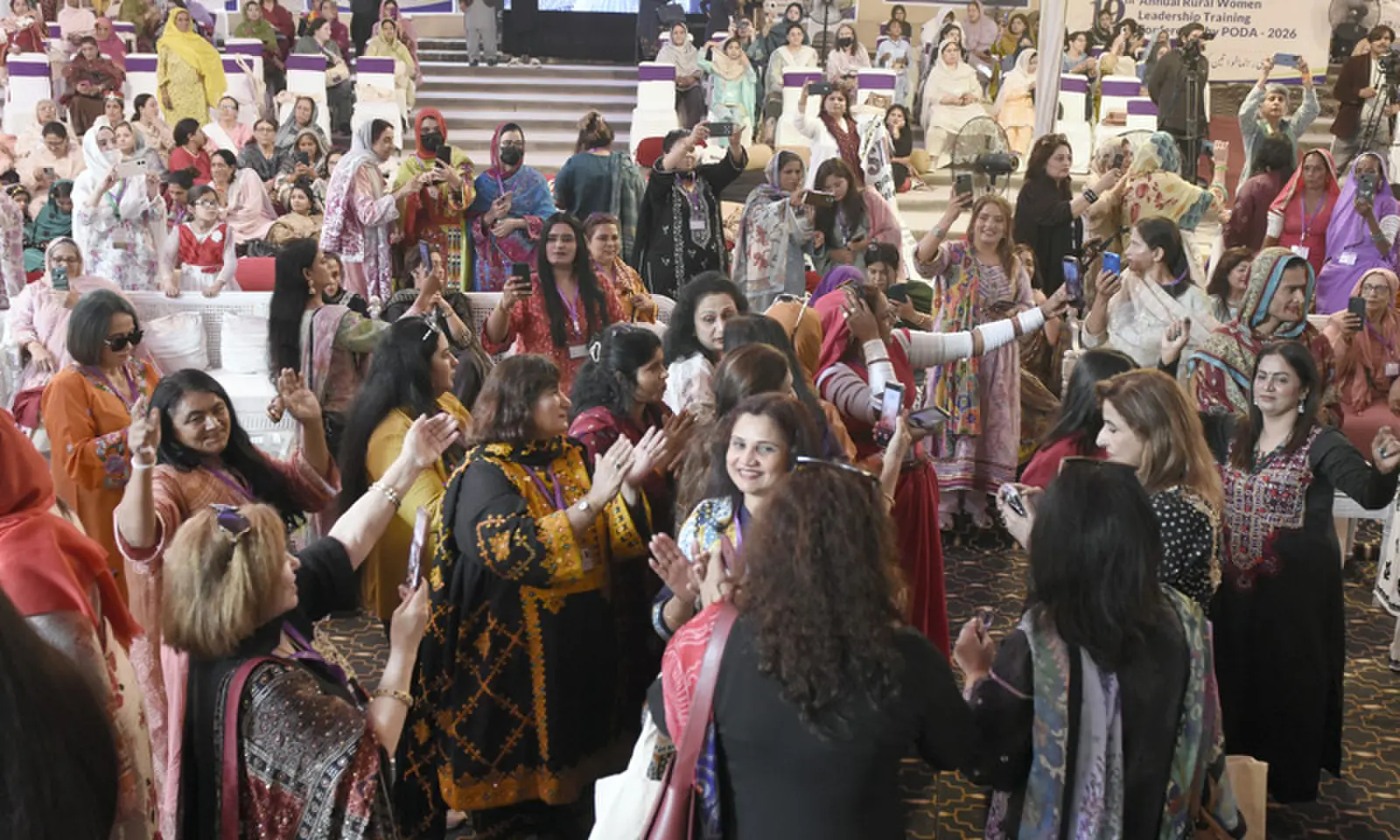
ISLAMABAD: Delegates from around 100 districts on Tuesday called for greater access to education, stronger legal protection and economic opportunities for women and girls at the opening of the 19th Annual Rural Women Leadership Training Conference organised by Poda-Pakistan.
The three-day conference focused on ending child marriage, improving digital safety, expanding financial inclusion and strengthening the role of rural women in climate action and decision-making.
During a session titled ‘Protection from Child Marriage Through 12 Years of Compulsory Education’, MNA Dr Shahida Rehmani, who is secretary of the Women Parliamentary Caucus, said education was essential for national progress and the empowerment of women.
She noted that rural women contributed significantly to agriculture, food security and household economies but continued to face barriers to education, healthcare, property ownership, legal protection and participation in decision-making.
Afshan Tehseen, who is chief executive of Human Capital Pakistan and former chairperson of the National Commission on the Rights of Child, highlighted the adverse effects of early marriage on girls’ health, education and independence. She said women constituted half of Pakistan’s population but accounted for only about 20pc of the labour force.
Poda-Pakistan Executive Director Sameena Nazir urged participants to press for effective implementation of child marriage legislation and mechanisms to protect young girls.
Board member Mumtaz Esker called for the enforcement of laws adopted in Sindh, Balochistan, Punjab and Islamabad Capital Territory, noting that Khyber Pakhtunkhwa had yet to enact similar legislation. She also highlighted the importance of family planning for maternal and child health.
Dr Nishat Riaz of the Malala Fund recalled that Poda had introduced Malala Yousafzai at a conference in 2009, when she was 12. She stressed that women’s participation was essential for democracy and said education could help them realise their potential.
At a session on safe digital spaces, Senator Sana Jamali highlighted the digital divide in rural communities, particularly in Balochistan, and called for better internet access, online protection and responsible use of artificial intelligence.
Chief Executive of Aurattech Mahreen Talha advised women not to share banking verification codes or PINs with strangers. She urged victims of online harassment to preserve evidence, block abusive numbers and report incidents to relevant platforms and trusted individuals.
Manya Bangash of the State Bank of Pakistan’s Banking Services Corporation outlined the central bank’s “Banking on Equality” policy, which promoted women’s representation in banking leadership, women-focused financial products, dedicated customer services, gender-disaggregated data and institutional reforms.
Aqsa Mirwani, a farmer from Awaran who received the President’s Pride of Pakistan Award in 2025, shared her experience of becoming the first woman in her area to own land. She urged civil society organisations to establish schools and vocational training centres in Korak, where access to girls’ education and healthcare remains severely limited.
In his message to the conference, President Asif Ali Zardari reaffirmed the government’s commitment to equal opportunities for women, particularly those in rural and underserved areas, and their meaningful participation in economic, social and public life.
Published in Dawn, October 28th, 2026