Lula seeks to catch up to Brazil’s online generation
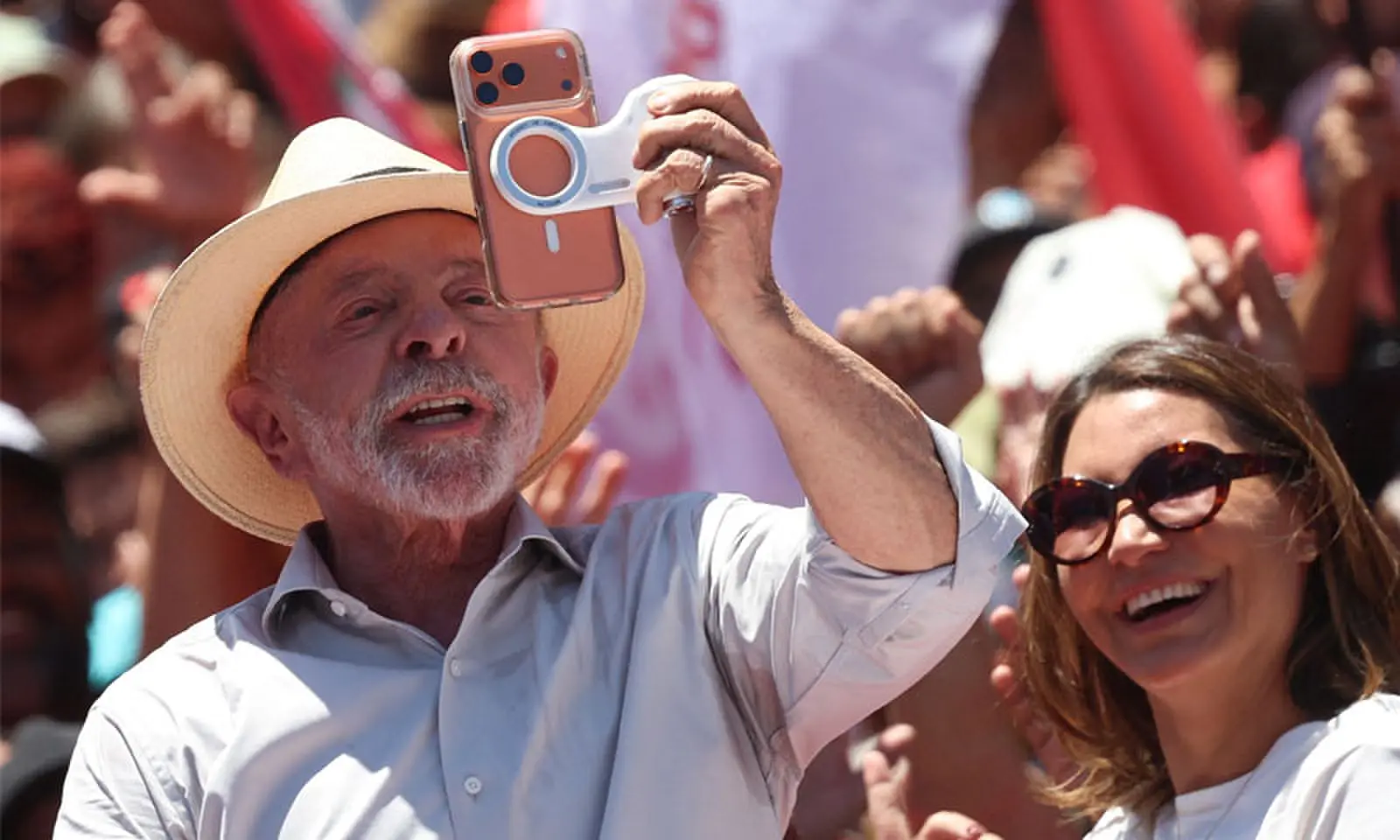
SAO PAULO: Just days before his 81st birthday, Brazilian President Luiz Inacio Lula da Silva this week took ownership of a brand new smartphone, one that former aides said was his first ever.
Lula’s choice to finally adopt a foundational artefact of modern life may be a tacit acknowledgment that he has failed to keep pace with a Brazilian electorate that now spends much of its life online. That may count against him in Sunday’s presidential runoff.
“I’m becoming the king of selfies, a real internet user,” Lula told supporters at a recent rally in Brasilia, hinting at his renewed efforts to better navigate social media campaigning.
Lula’s new technological adventure illustrates a generational shift in Brazilian politics, where a candidate’s ability to convert millions of followers across platforms like TikTok, Instagram and WhatsApp into votes can now catapult them to the upper echelons of Brazilian power. During congressional elections that took place alongside the first round of this month’s presidential vote, a number of younger, social media-savvy candidates dominated their races.
Running for the right-wing Liberal Party, Nikolas Ferreira, 30, and Lucas Pavanato, 28, both took more than 3 million votes in their respective races, while leftist candidates who were elected with over half a million votes each included Erika Hilton, 33, and Ana Elisa Silva, who is just 21.
Lula, a former shoeshine boy turned metal worker, trade union leader and global leftist icon, first ran for president in 1989, and is seeking an unprecedented fourth term in office.
Published in Dawn, October 25th, 2026