Lahore tops global pollution ranking as air quality turns ‘hazardous’
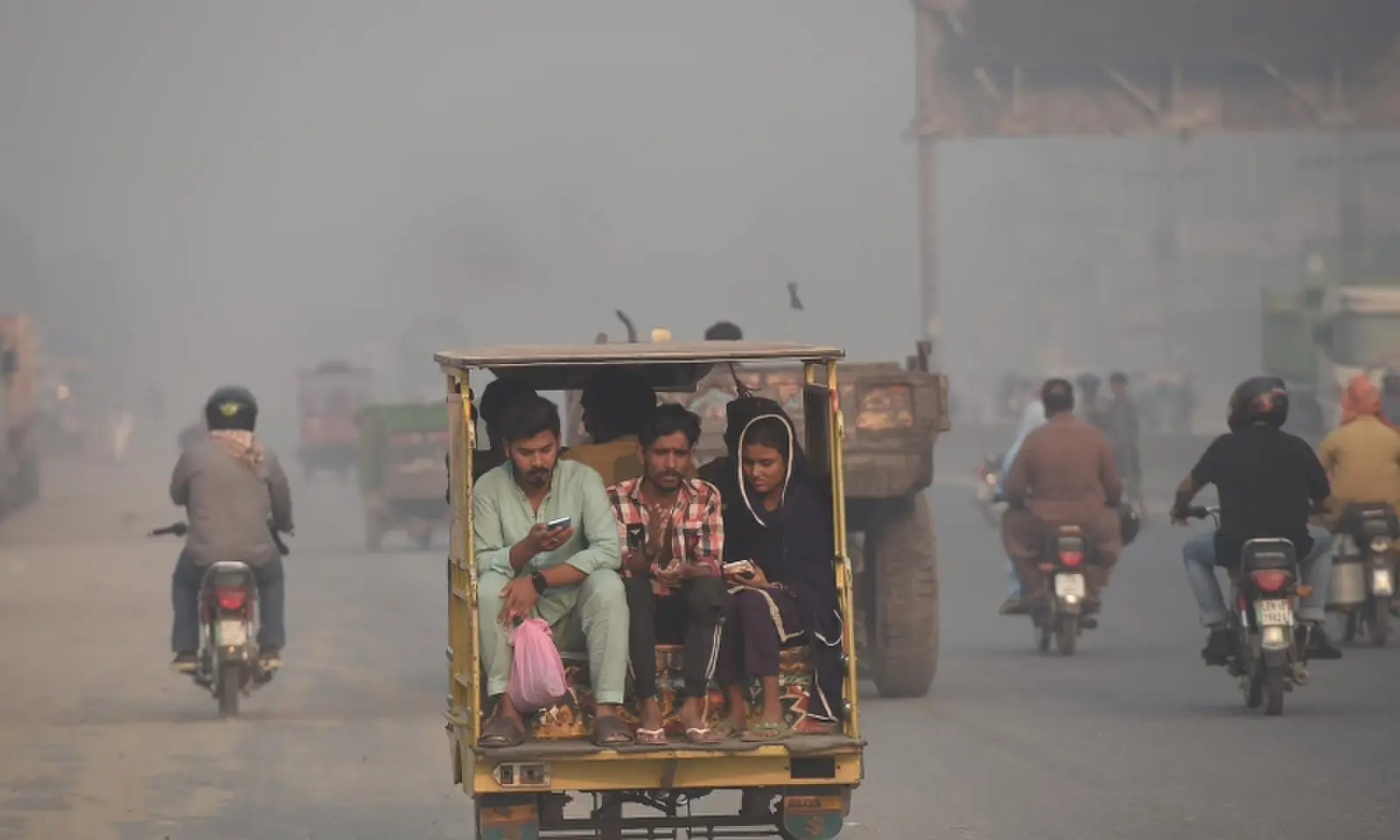
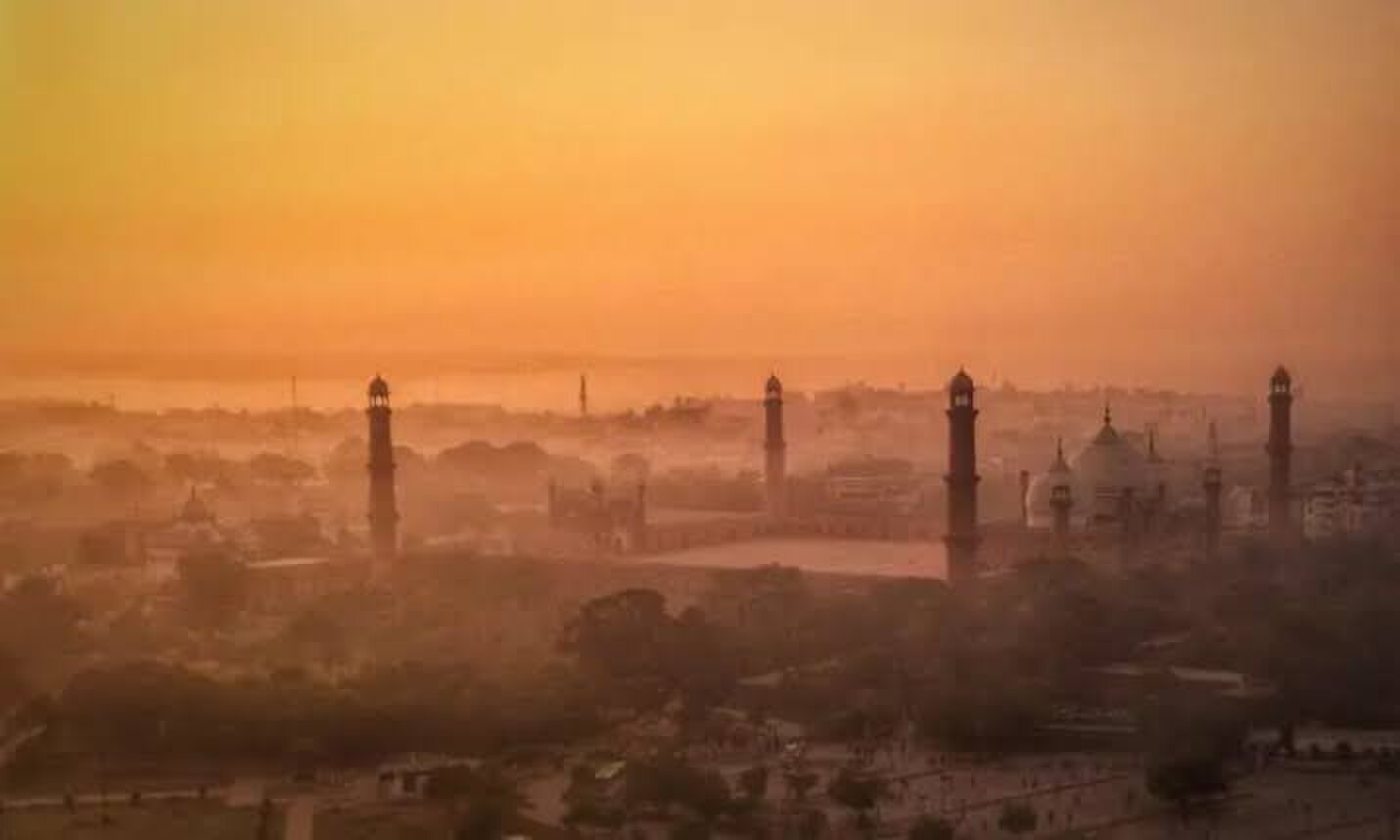
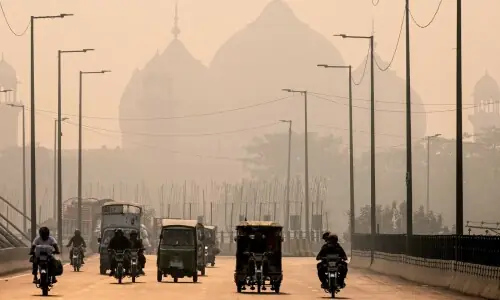
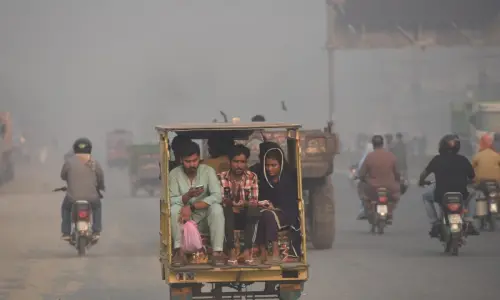
Lahore ranked as the world’s most polluted city on Friday, with its air quality classified as “hazardous”, according to air quality monitoring platform IQAir.
In the past few years, air pollution has become one of the most pressing public health and environmental crises facing Pakistan. Various cities of the country, most notably Lahore, deal with smog, especially in the winter months. The phenomenon is attributed mainly to industrial emissions, vehicular pollution, stubble burning and air movement.
Lahore topped the list of the world’s most polluted cities on Friday morning, with an air quality index (AQI) of 410, according to the IQAir live tracker. The reading fell under the ‘very unhealthy’ category. India’s New Delhi followed with an AQI of 203, while Senegal’s Dakar ranked third at 196.
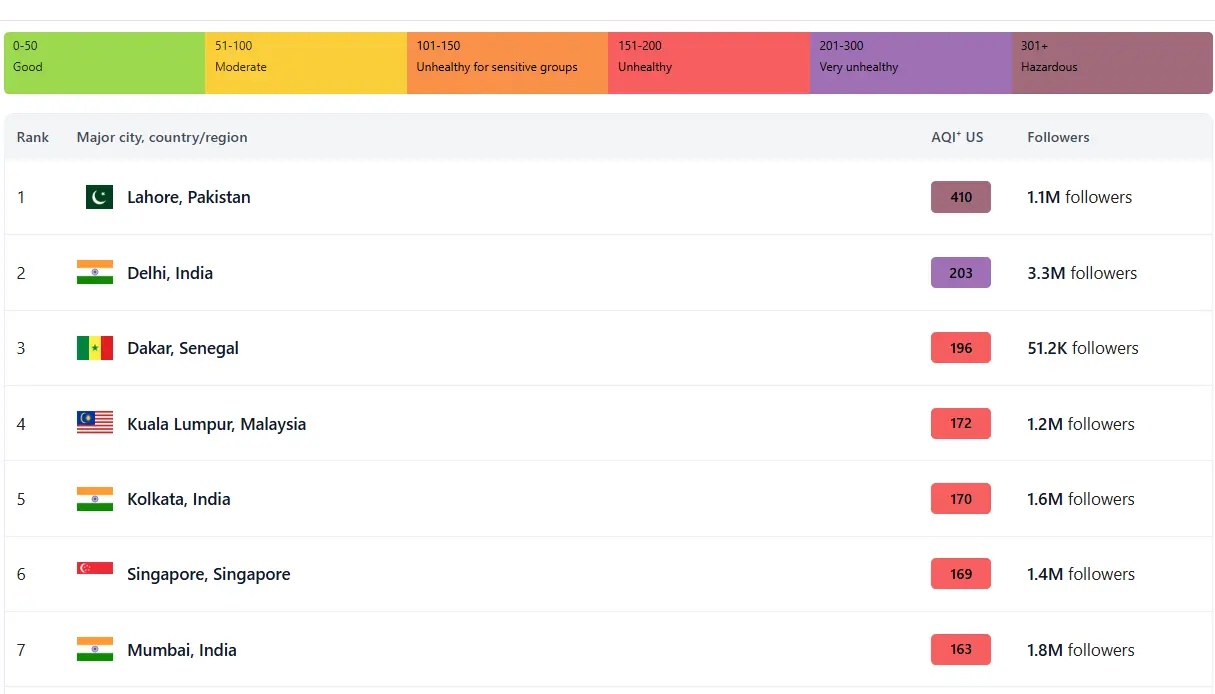
The provincial capital was the only Pakistani city to rank among the 20 most polluted cities on Friday morning. Karachi was the only other Pakistani city on the 21-city list, with an AQI of 110.
According to IQAir, in Lahore, “PM2.5 concentration is currently 45.2 times the World Health Organisation annual PM2.5 guideline value”.
PM2.5 refers to fine inhalable particles, with diameters generally 2.5 micrometres and smaller. Of all air pollution measures, PM2.5 pollution poses the greatest health threat, according to IQAir.
According to the website, PM2.5 can enter the circulatory system and even the brain, causing serious health complications if long-term exposure occurs.
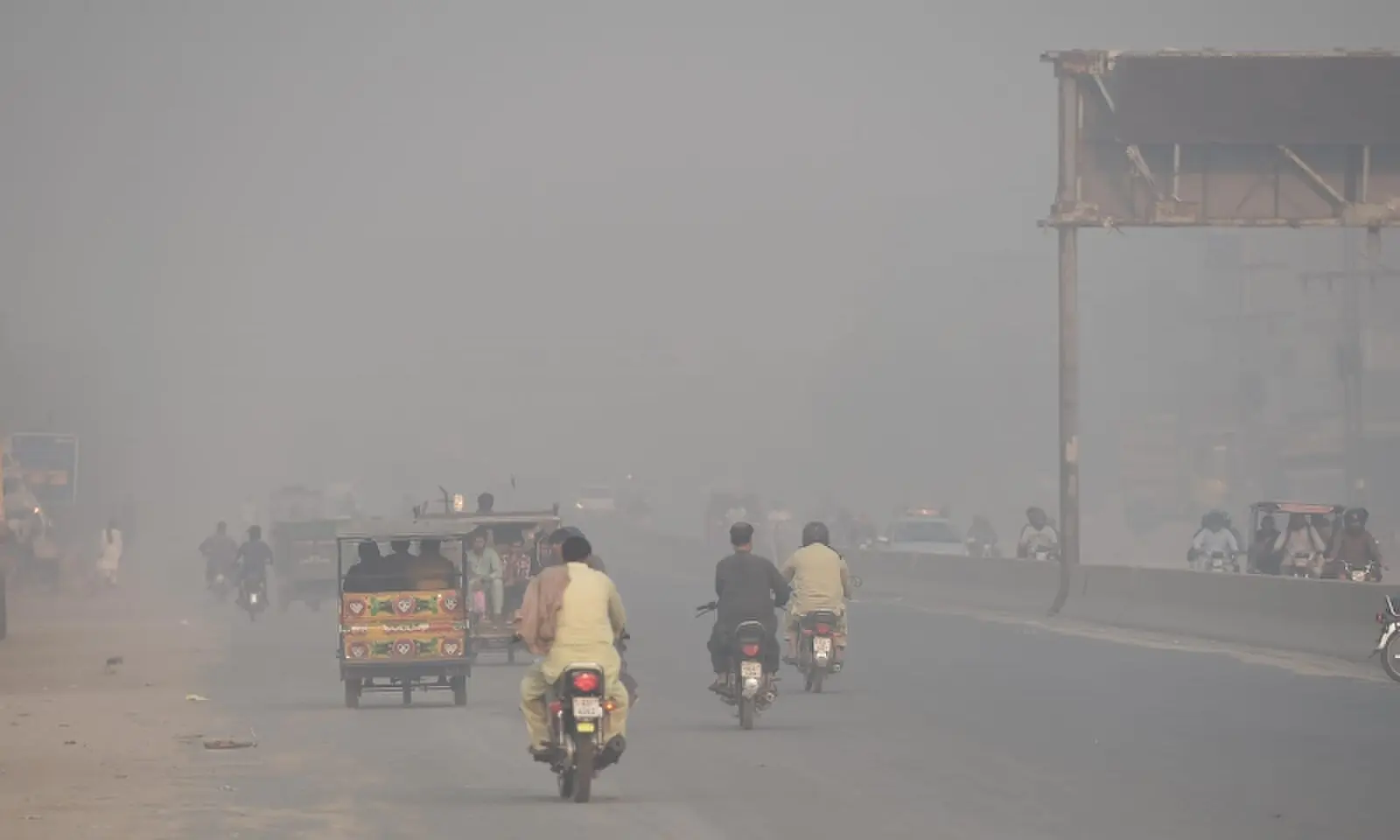
For those in Lahore, IQAir recommended avoiding outdoor exercise, keeping windows closed to prevent outdoor air from entering, wearing a mask outdoors and installing an air purifier indoors.
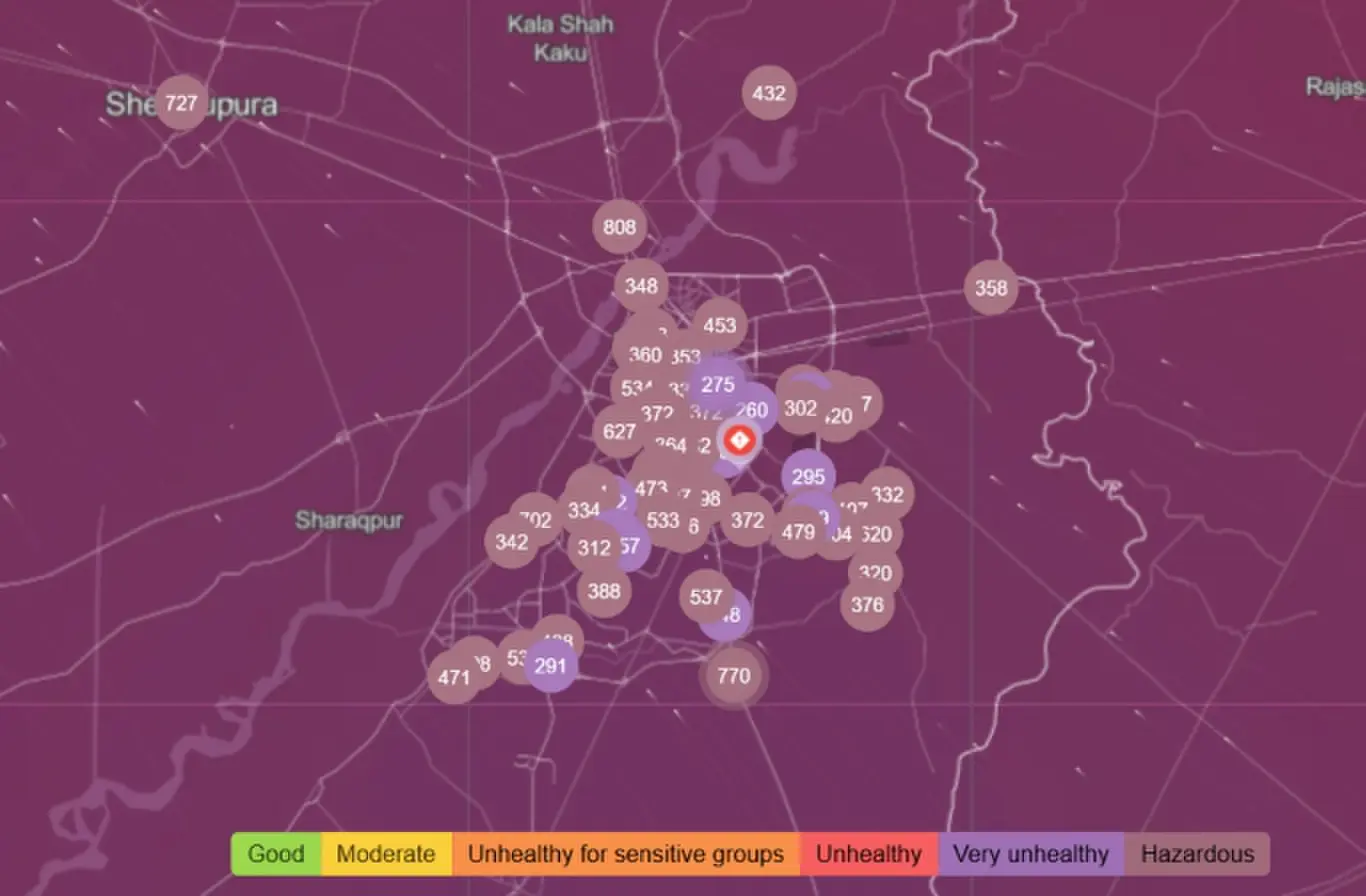
The Punjab government’s air quality monitoring platform, meanwhile, recorded an AQI of 339 for Lahore at 11am on Thursday, classifying the air as ‘very unhealthy’. The reading was based on data from 10 monitoring stations across the city.
The difference between the readings on the two platforms may be due to variations in monitoring stations, averaging periods and methodologies. However, both indicated severe air pollution in the provincial capital.
Human rights activist Sheikh Saqib told Dawn that both his children were suffering from throat infections due to smog. He criticised the government for what he described as empty claims about measures to curb air pollution.
He said school attendance could drop by half as parents stopped sending their children to school amid deteriorating air quality.
Saqib also disputed the chief minister’s claims that smog had been controlled over the past three years, saying he continued to witness crop burning while travelling on motorways towards Islamabad and Karachi.
“Vehicles emitting smoke are still running on Lahore’s roads,” he said, questioning the effectiveness of the government’s measures to tackle air pollution.
On Oct 2, Lahore also topped IQAir’s list of the world’s most polluted cities, with an AQI of 167, classified as “unhealthy”. At the time, CM Maryam said the government was making efforts to address environmental issues.
Earlier this week, a new analysis released by the European Union’s Copernicus Climate Atmosphere Monitoring Service (CAMS) ranked Lahore among cities whose ozone levels were “extremely poor”.