
Q. I live in Dhabeji in Karachi and would like to grow purslane as ground cover. Please let me know how to proceed.
A. Purslane, or portulaca, would be an excellent ground cover in Karachi. The plant does not thrive in cold weather and its flowering varieties flourish in full sunlight and temperatures ranging from 20 to 35 degrees Celsius. Compared with other plants, it also requires very little water. Purslane can be grown from September to November and again from February to April. The plant takes about two weeks to a month to establish itself and can spread extensively under favourable conditions.
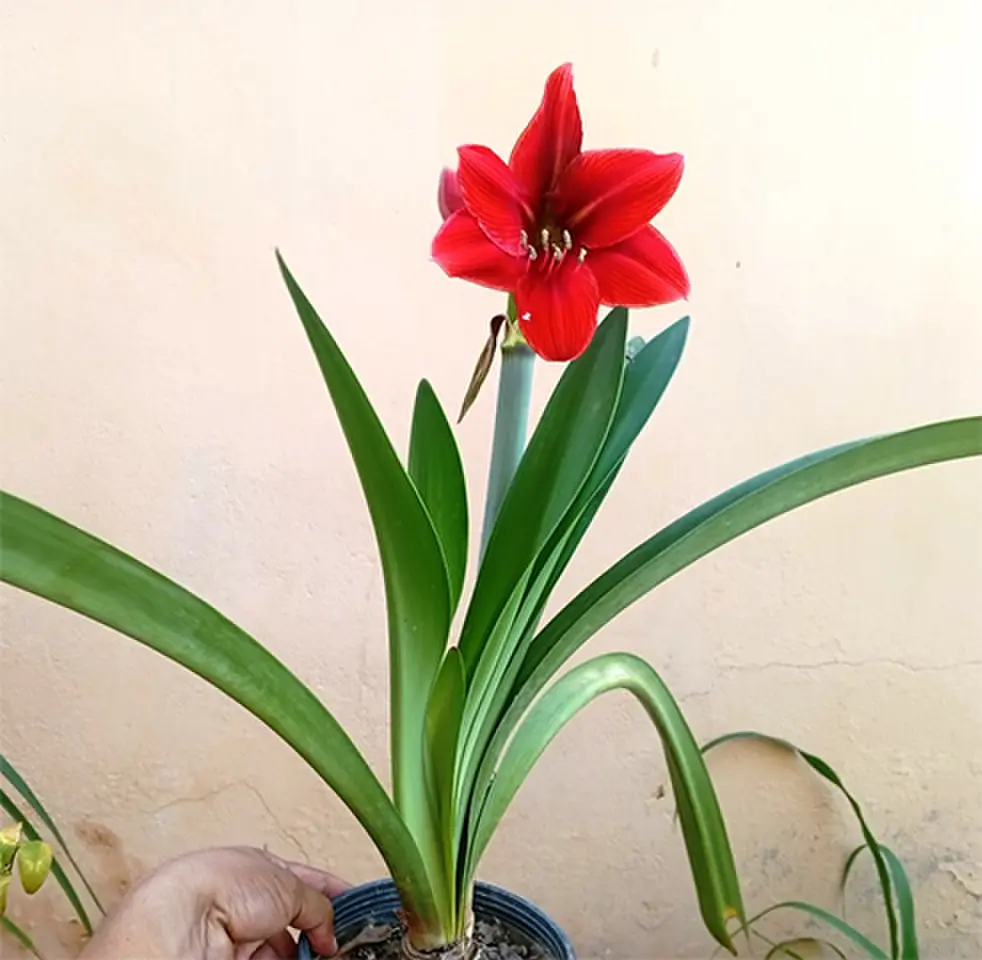
Q. I am 89 years old and, for the last 60 years, I have fancied amaryllis. I brag that I have the best amaryllis in Lahore by size and texture. While your advice has been to use a nursery potting mix, my experience suggests that it makes the soil hard and soggy, hindering root growth. However, most gardeners use it. What is your personal experience? Secondly, depending on your experience, can you tell me which are the best months to transplant bulbs from pots into the ground?
A. Compacted, waterlogged soil can be disastrous for any plant. Nursery potting mix that lacks organic matter or contains too much clay can be unsuitable for amaryllis. If the mix is otherwise suitable, ensure that it drains properly. Waterlogging deprives the roots of oxygen, weakening the root system and affecting flowering. Adding perlite or pumice can improve aeration and drainage, while compost can add organic matter.
All your gardening queries answered here
Regarding your second query, the best time to transplant amaryllis bulbs from pots into the ground is from September to December.
Q. I live in DHA Karachi and have two 30-year-old coconut trees. They have not produced fruit in the last 10 years. They flowered last year and produced small coconuts, which dropped off. The coconuts the tree would produce earlier were of a very large variety. I have tried all sorts of fertilisers, including DAP, NPK and urea, and even added fish scraps, Epsom salt, potash and calcium to the roots. I have hammered both trees with a sledge hammer and put cuts on the bark with an axe to wake the trees from their dormant state, but nothing has helped. Some people have told me to add salt to their roots. If so, which salt should I put — rock salt, sea salt, iodised or non-iodised salt — and in what quantity? I am afraid my trees will die if I use salt. Somebody pointed out that coconut trees require a lot of water. Is it true and, if so, how much should I water? Also, can anything be done for their trunks, which are very thin?
A. It is puzzling that your 30-year old coconut trees have not borne fruit for the past decade. You seem to have tried a wide range of remedies already, but it is commendable that you are continuing to seek a solution.
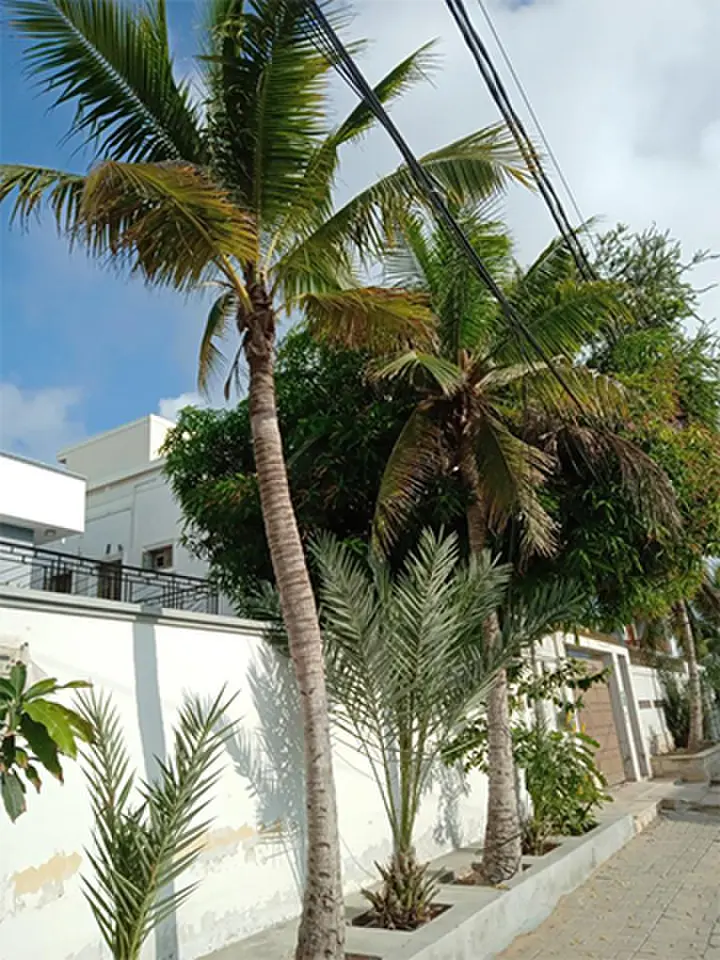
Based on the photographs, the tree appears to have a relatively slender trunk. Although some gardeners recommend applying salt to coconut trees, I would advise against it in your case, particularly if the soil is already saline. Rather than applying more fertilisers, have the soil tested to determine whether the trees have any nutrient deficiencies. Please also avoid striking the trees in an attempt to stimulate fruiting.
During summer, ensure that the trees receive adequate water, adjusting the frequency according to the weather and soil drainage. In winter, water when the topsoil begins to dry. Coconut trees require ample moisture, but proper drainage is equally important. Water the soil across the root zone rather than concentrating solely on the area around the trunk.
It is essential to identify why the trees are not fruiting properly. Pest infestations, poor pollination, nutrient deficiencies and improper watering can all cause young coconuts to drop prematurely or remain undersized. Inspect the trees, fallen leaves and undersized coconuts for signs of pests, disease, discolouration or abnormal growth. And as mentioned earlier, have the soil tested for pH and nutrient deficiencies so that any corrective measures can be based on the findings.
Q. The wind blows from our sunlight-exposed balcony into our rooms in Karachi. I want to grow some fragrant flowering plants so that their scent can reach the other rooms. Please suggest fast-growing, quick-fix solutions.
A. Raat ki Rani (night-blooming jasmine) and Din ka Raja (day-blooming jasmine) would be good choices for your sunny balcony. You can grow them from seeds or cuttings, although established plants or rooted cuttings may provide fragrance sooner.
Please send your queries and emails to doctree101@hotmail.com. The writer is a physician and a host for the YouTube channel ‘DocTree Gardening’ promoting organic kitchen gardening
Published in Dawn, EOS, October 25th, 2026