Eighteen-year-old Lila lived in a cosy home in a small village, surrounded by greenery and farmland. Despite her family’s modest means, she was rich in ideas and determined to reach for the stars. Her supportive family had taught her to remain humble and never let pride get the better of her.
Lila worked hard at her studies, often late into the night, determined to overcome difficulties and pursue her dreams.
A literature student with a keen interest in world history, she enjoyed learning about political systems, leaders and citizens’ rights and responsibilities. At dinner, she discussed current affairs with her father while watching the news. Injustice and corruption often left her questioning the world around her.
She wondered whether people were judged by their thoughts and identities or by stereotypes linked to their gender, skin colour, background and religion. Gender discrimination, racism, cultural differences and identity crises seemed to surround her, leaving her troubled and unsure how these problems could be overcome.
Lila had hoped to live in a peaceful, clean and green country, free from social and political unrest. Instead, she witnessed considerable social, political and economic upheaval and struggled to understand the forces shaping her country and its people.
One day, she sat beside her father and asked him about the ideology and history of their homeland, before and after its establishment. He answered her questions, but learning about the bitter realities of the past left her disheartened.
“Oh, my sweet daughter Lila, don’t lose hope!” her father said. “That bitter time has passed, but we still have a lot to do!”
Lila wanted to understand why history repeated itself and how people could break the cycle of oppression. Her father explained that history was not just about kings, rulers and famous battles, but also about ordinary people who resisted injustice and worked for change.
Through their conversations, Lila began to understand how the past could help people question unfair systems and make better choices in the present.
When Lila moved to the city for higher studies, she found herself in unfamiliar surroundings. The quiet streets and open spaces of her village gave way to traffic, noise and tall buildings. She missed the natural beauty and peaceful evenings back home, but knew she needed to step beyond her familiar surroundings to understand the wider world.
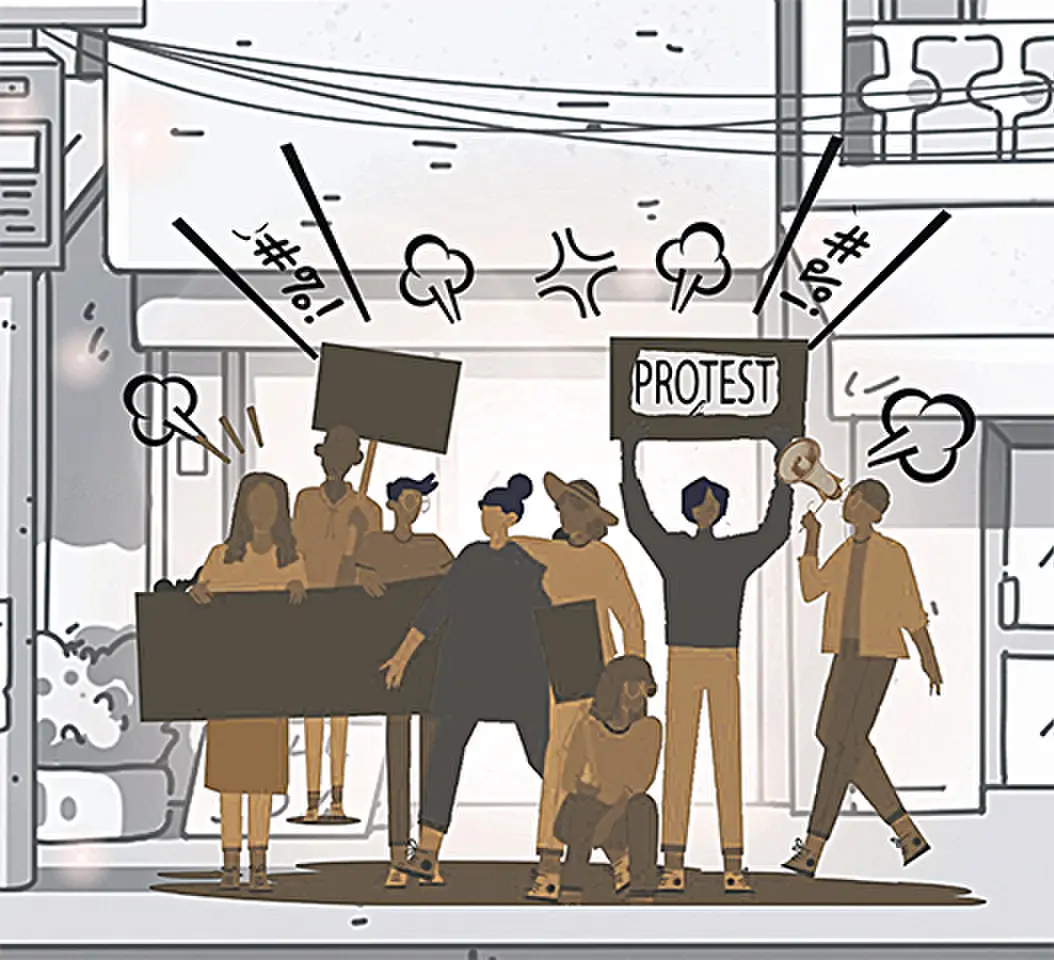
One evening, while walking home, Lila noticed a crowd gathered at a street corner. People held banners and chanted slogans about the electricity crisis, prolonged load-shedding and rising bills. She stopped to watch, trying to understand their concerns.
She remembered her conversations with her father about injustice and the struggles of ordinary people. The issues they had discussed no longer seemed like distant events from the past. They were unfolding before her eyes, and she was now witnessing them first-hand.
Published in Dawn, Young World, October 24th, 2026