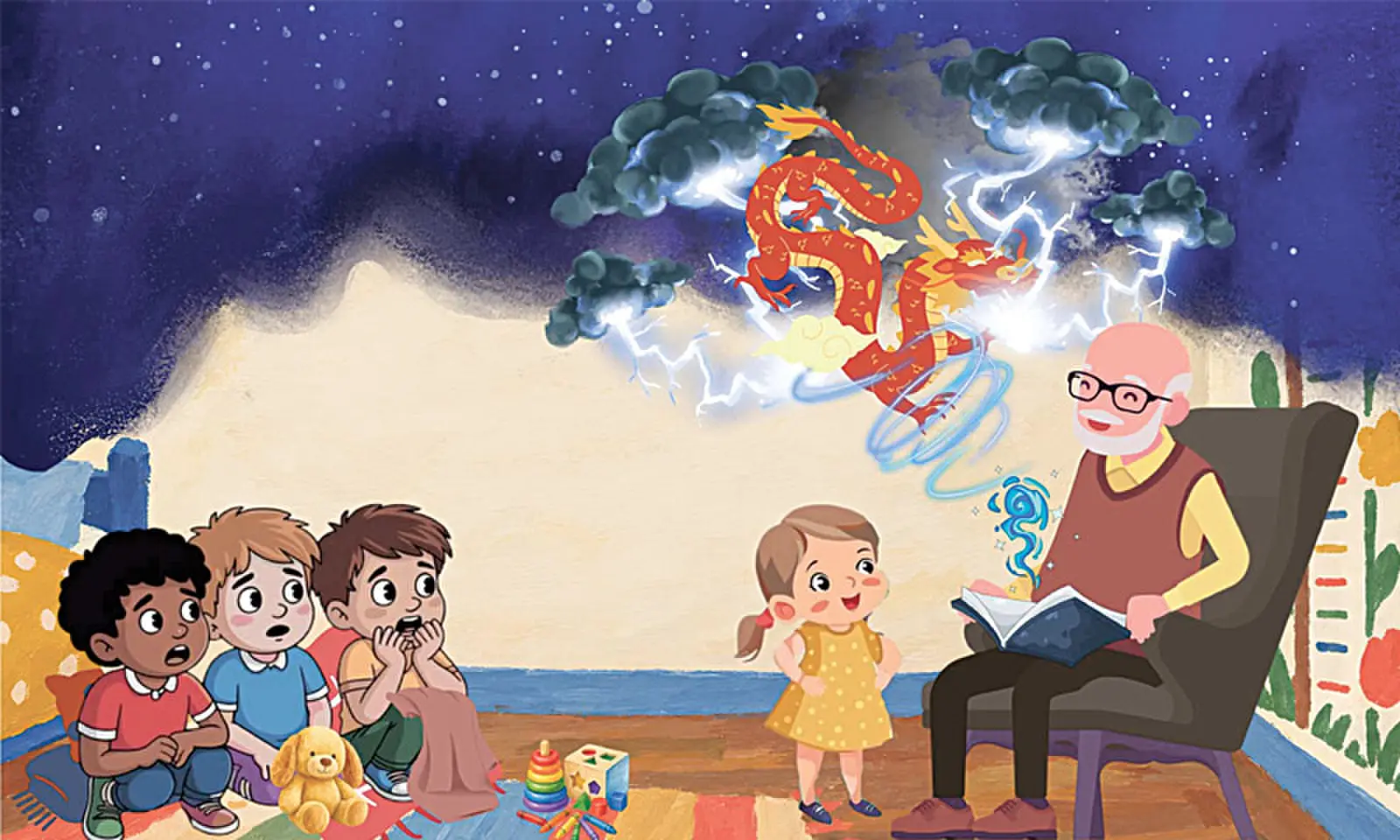
Clouds were scattered across the sky, and it looked as though it would pour any minute. The thunder grew louder and louder. People hurried to find shelter and mothers pulled their children indoors. This didn’t seem like an ordinary rainy day; a storm was approaching.
Then something unimaginable happened. A golden shimmer pierced the dark clouds and everyone gasped in relief. It was the golden dragon! It flew across the sky, filling it with golden light and, suddenly, nobody was afraid anymore.
Do you want to know what happened next? Of course you do! That itch to know what happens next is the whole point of storytelling.
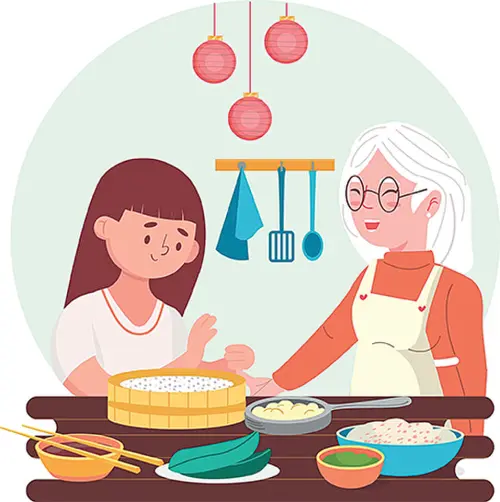
This was an old tale my mother once told me. She loved reading folklore from different cultures, often in translations into her own language. She would then tell us these stories with such excitement that it felt as though she had experienced the adventures herself. It was impossible not to get lost in the moment. She loved telling stories, and we loved listening to them. Even now, as I write this, I feel as though I’m reliving those moments.
A story can travel across centuries, cultures and generations. All it needs is someone willing to tell it
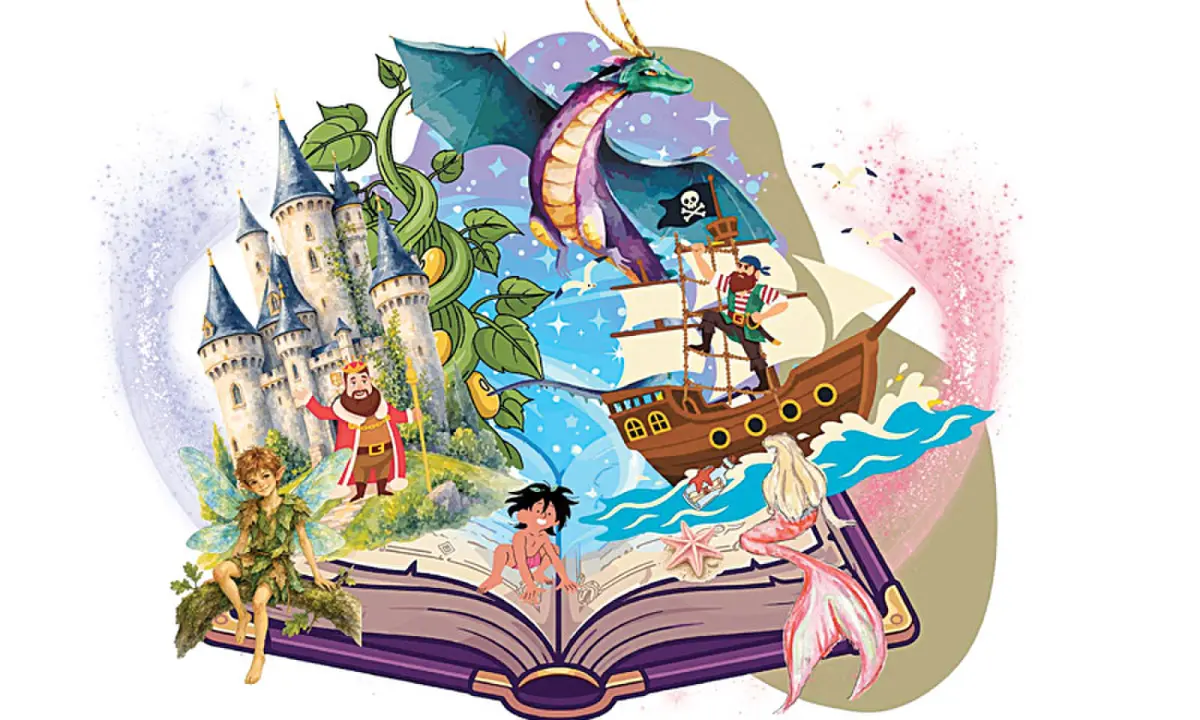
Like me, many of you may have enjoyed listening to stories at bedtime or reading them yourselves. Some of you may love folklore and fairy tales, while others prefer spooky stories, brave heroes or adventures featuring strange and mysterious creatures. Whatever your favourite kind, storytelling has been part of human life for thousands of years. Stories travelled from one generation to the next, changing a little with each telling but always holding people’s attention.
If storytelling is still alive in your home or family, you’re carrying on a rich tradition shared by cultures around the world. It deserves to continue, no matter how much our lives change or how advanced our world becomes.
Before anyone could write
Storytelling is older than writing. Long before books existed, people shared stories whenever they gathered. Someone might begin with, “My grandfather used to tell me…” or “Long, long ago…” Stories helped people remember important events, pass on knowledge about dangerous animals, learn about their ancestors and understand what happened to the greedy and the kind.
One of the oldest surviving works of narrative literature is The Epic of Gilgamesh, which originated in ancient Mesopotamia. Its stories circulated before being recorded in writing, with some of the surviving versions inscribed on clay tablets thousands of years ago.
Similarly, cave paintings and drawings on tomb walls around the world depict animals, hunting, battles and mythical creatures. While we cannot know the exact stories behind every image, some may have been ways of recording or sharing experiences and beliefs.
Storytelling continued in different places and forms. It wasn’t just ordinary people who enjoyed stories; kings did too. In ancient and medieval times, royal courts often had storytellers, poets and musicians who entertained rulers and their guests with tales of heroes, monsters, mythical creatures and brave warriors. Some stories also carried moral lessons.
Outside royal courts, storytelling was part of everyday life. Traders and travellers met at inns, resting places and other gathering spots, where they shared tales of the places they had visited and the people they had encountered. Our own story bazaars
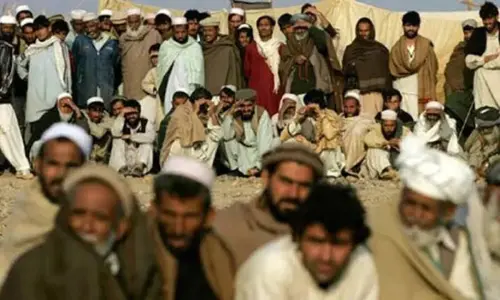
Our part of the world has a rich storytelling tradition. One famous example is Peshawar’s Qissa Khwani Bazaar, whose name means “market of storytellers”. In the past, merchants, travellers and caravans passing through the region gathered here to rest, drink tea and exchange stories of adventure, war and distant lands. The bazaar has changed over time, but parts of its old architecture still offer glimpses of its history.
Delhi and Lucknow also had their daastaan-go, or traditional storytellers, who narrated long, elaborate tales such as Dastaan-e-Amir Hamza. With their expressive voices, dramatic gestures and clever delivery, they could keep audiences spellbound for hours. Storytelling was a way to entertain people, share experiences and bring communities together.
How it changed
Sadly, not everything remained the same. As life grew busier, earning a living and managing daily responsibilities took up more of people’s time. Finding a few hours to sit together without worrying about the next task became difficult, and storytelling sessions gradually became less common.
Stories also began to reach us in new ways. They moved from spoken words to books, then to radio, where families gathered around a set to listen to dramas without seeing the characters. Television followed, then cassettes and CDs. Today, we can access almost any story on our phones, whenever and wherever we like. That convenience is wonderful, but I believe a story told by one person to another, in the same room, has something a device cannot quite replace.
No matter how familiar the tale, it changes a little with every telling. A storyteller watches the listeners’ faces and adjusts the story accordingly. If you look scared, they build up the suspense. If you seem bored, they add a joke or make the witch appear earlier than expected. My mother did this all the time, changing the story to suit whoever was listening.
Load-shedding time
Back in the day, not everyone had electricity at home, or at all hours. So at night there was little to do. There were no smartphones to keep everyone occupied, so the family would often gather in the dark around a candle, gaslight or lantern. Conversations would begin and soon enough, someone would start telling a story. More often than not, it was a ghost story!
There was usually one particularly brave family member who would challenge everyone else by recounting the scariest encounters, insisting they had really happened.
Not that anyone wants more load-shedding, of course. But isn’t it funny that those dark evenings often gave us some of our best storytelling memories?
Is the tradition alive?
Yes, perhaps not in the same way, but storytelling is still with us in new forms. Many of you watch animated stories on YouTube or listen to audiobooks. You might even create your own stories in games, imagining yourself as a hero fighting a bully, monster or enemy. Some children write fan fiction, while others invent entire worlds with their friends during lunch break.
The format has changed, but the desire to tell and hear stories remains. Perhaps storytelling is one of our oldest human instincts.
Who is keeping the tradition alive?
Stories are everywhere, but opportunities to hear them from family members may be becoming fewer. Listening to a parent or grandparent tell a story offers something special that a screen cannot. You learn the little details of your family’s past. You might discover that your dadi was once afraid of the dark too, or that your abbu used to get into trouble for the very same things you do.
So, if you keep asking for one more story or persuade your aunt to tell you about her childhood, you’re helping to keep the tradition alive. And think about it: when you sit with your sibling and tell them about a story you read during your library period, aren’t you doing the same thing?
Is there someone in your family who always has a story to tell? Try asking them about a time in their life you’ve never heard about. You could say, “You’ve never told me about the time you lived in that secluded house in town. What happened there one night?”
Then sit back and listen. You never know where the story might take you!
Published in Dawn, Young World, October 24th, 2026