PESHAWAR: Khyber Pakhtunkhwa on Monday recorded around 100 new dengue cases in the last 24 hours, the highest daily tally this year, as the province continues to pass through the high-risk month of October.
Recently, one person, a resident of Tank, died of the mosquito-borne disease in the Dera Ismail Khan district.
According to a report by the Integrated Disease Surveillance and Response System (IDSRS), the provincial tally of dengue this year reached 4,091 after 99 new cases were reported.
Kohat is leading with 2,567 cases, followed by Peshawar with 566, Bannu 192, Khyber 120, Haripur 112, Charsadda 75, Abbottabad 71, Nowshera 51, Karak 43, Mansehra 38, Dera Ismail Khan 35, Swabi 28 and Mohmand 14. Other districts recorded single-digit cases.
Health dept says measures being taken for dengue control, prevention
October has proved challenging, especially in Kohat, which is in the grip of a dengue outbreak. The district has recorded 80 cases since October 1, followed by Bannu with 24 and Peshawar with 18.
The report said the health department was carrying out measures to control and prevent dengue in Kohat where a sharp rise in cases had put pressure on hospitals.
It said currently, the province had 144 dengue cases, while 3,946 patients had recovered from the disease.
Experts said the situation remained better than last year when dengue affected more than 6,000 people, including over 1,000 in Charsadda, following an outbreak in a few union councils.
They said this year, Kohat had emerged as a new hotspot, with the reasons for the high number of cases already identified by the health department.
The experts, however, said the coming weeks remained crucial as conditions favourable for mosquito breeding could lead to further infections.
They added that the government prepared a dengue prevention plan every year and that the 2026 action plan had been issued on time, allowing field activities to begin early in the year.
The experts, however, said the recent rise in cases in some districts was largely attributable to a lack of coordination among government departments, which needed to work together at the district, tehsil and union council levels to devise micro-plans for containing the disease.
They said testing patients, confirming diagnoses and treating dengue cases were the health department’s responsibilities, while measures such as insecticidal spraying, eliminating stagnant water and ensuring an uninterrupted electricity supply fell within the remit of other government departments.
The experts said a few weeks ago, the health department asked the district administrations in Kohat, Mansehra and Haripur to level the ground and fill ditches where rainwater accumulated, creating mosquito breeding sites.
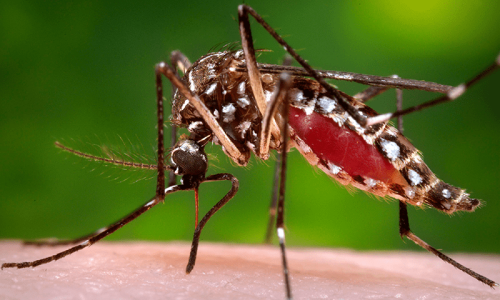
They said mosquitoes were the carriers and transmitters of the dengue virus.
The experts said the health department had been implementing the dengue action plan since 2017, updating it every year with changes to the previous version.
The experts said coordination among government departments and public awareness campaigns remained its main pillars, meant to reduce the incidence of dengue and ultimately eliminate the recurring public health threat in the province.
They said around a decade ago, dengue struck Peshawar severely, killing dozens of people and infecting more than 50,000 others.
Published in Dawn, October 20th, 2026