• Gives Achakzai sole authority over future negotiations with govt
• PTI leaders privately criticise handling of talks
• Calls emerge from within party for changes in interim leadership
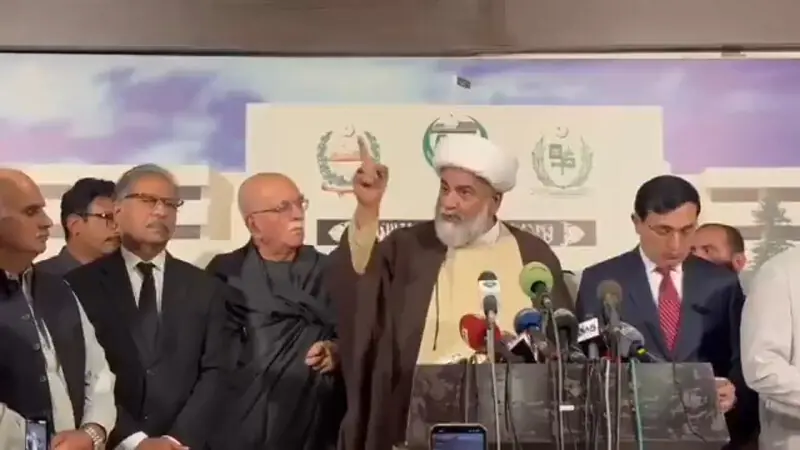
ISLAMABAD: The Tehreek-i-Tahafuz-Ayin-i-Pakistan (TTAP) on Thursday announced the suspension of all negotiations with the government, stressing that there would be “no talks” until a meeting with PTI founder Imran Khan was arranged and information about his health was provided.
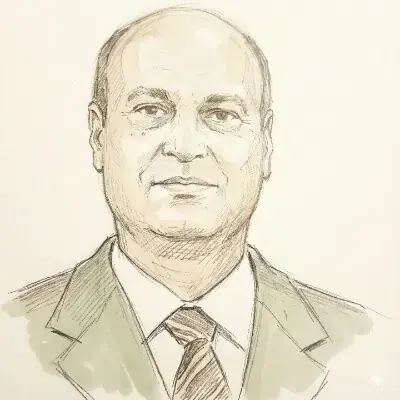
The opposition alliance said all authority for future negotiations would rest solely with its chairman, Mehmood Khan Achakzai.
The decision was taken at a leadership meeting held at Mr Achakzai’s residence, where participants reviewed the political situation arising from the imposition of emergency and governor’s rule in Khyber Pakhtunkhwa.
Political tensions between the federal government and the opposition, particularly PTI, had remained high in recent weeks after the party announced a long march demanding the release of its incarcerated founder. The march, initially billed as one towards Islamabad, remained confined to KP before fizzling out following the imposition of governor’s rule.
The TTAP strongly condemned the measures in KP, describing them as a “robbery” and a midnight assault on the Constitution and the people’s mandate.
It demanded their immediate withdrawal, saying the decision was an insult not only to the people of KP but to those of all provinces. The alliance also announced that it would challenge the move in the Peshawar High Court.
The TTAP condemned terrorism in all its forms and expressed support for the National Action Plan. It demanded that, instead of adopting new policies, the joint resolution of the Aman Jirga approved by the KP Assembly be implemented.
The alliance also sought the immediate release of non-functional Chief Minister Sohail Afridi, Assembly Speaker Babar Saleem Swati, PTI provincial president Junaid Akbar and detained members of the National and provincial assemblies and other party leaders.
PTI had reported their detention on Oct 11, shortly after the Centre imposed emergency and governor’s rule in the province.
The alliance also demanded the release of Imran Khan’s sisters, who have been detained for nearly three weeks under the Maintenance of Public Order (MPO) Ordinance, as well as access to the former prime minister by his family and doctors.
The TTAP also blamed the deteriorating law and order situation in Balochistan on an “unrepresentative” provincial government and “failed” federal policies. It urged the authorities to resolve the province’s problems through dialogue rather than force.
The alliance also said it would approach international human rights organisations and the United Nations over alleged restrictions on judicial independence, curbs on the media and violations of human rights and the Constitution.
The federal government imposed emergency under Article 232 and governor’s rule under Article 234 on Oct 11 after the cabinet discussed the security situation in KP and accused the provincial government of “deliberate disengagement from the fight against terrorism”.
Divisions within PTI
Meanwhile, some PTI leaders privately criticised the handling of negotiations with the government and the party’s response to the imposition of governor’s rule.
Speaking to a group of journalists, the leaders blamed Mr Achakzai’s “egoistic approach” for contributing to the failure of talks, arguing that he was among the few opposition figures capable of concluding an agreement but had declined to participate directly in key meetings.
They claimed that MWM chief Allama Raja Nasir Abbas had taken the initiative in bringing the government and opposition to the negotiating table after little progress had been made by PTI’s own leadership.
According to one of the leaders, the plan following the announcement of the long march had been for then-chief minister Sohail Afridi to build political pressure through mobilisation while the party leadership pursued negotiations with the Centre.
However, he claimed little effort was made to initiate negotiations until Mr Abbas intervened and that the march was subsequently delayed by a week to allow talks to proceed.
The PTI figures also questioned the party’s preparedness for governor’s rule, pointing out that it took several days to approach the courts against the measure.
One leader said the party should have prepared its legal challenge in advance and provided clear instructions to its provincial lawmakers immediately after the Centre’s decision.
They also said discussions had begun within PTI about changes to the party’s interim leadership and some members argued that experienced political negotiators should be given a greater role.
“Imran Khan had suggested that Barrister Ali Zafar become PTI chairman, but he refused, saying that he wanted to focus on the cases of PTI. Moreover, there are politicians like Malik Aamir Dogar, who knows how to negotiate, but he is even not allowed to chair the meetings of parliamentary party,” a party leader said.
However, the leaders acknowledged that JUI-F chief Maulana Fazlur Rehman had clearly communicated his position during the political negotiations, including his refusal to participate in the long march.
Published in Dawn, October 16th, 2026