PTI seeks production orders for 'detained' MNAs ahead of NA, Senate sessions
ISLAMABAD: The PTI requested the National Assembly speaker to issue production orders for its nine “detained” MNAs ahead of NA and Senate sessions on Tuesday.
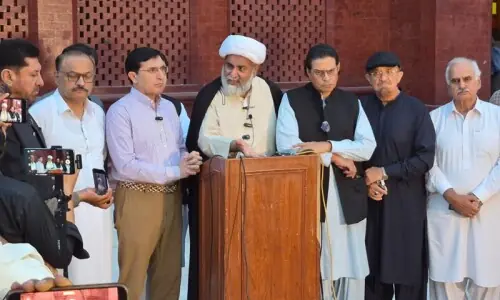
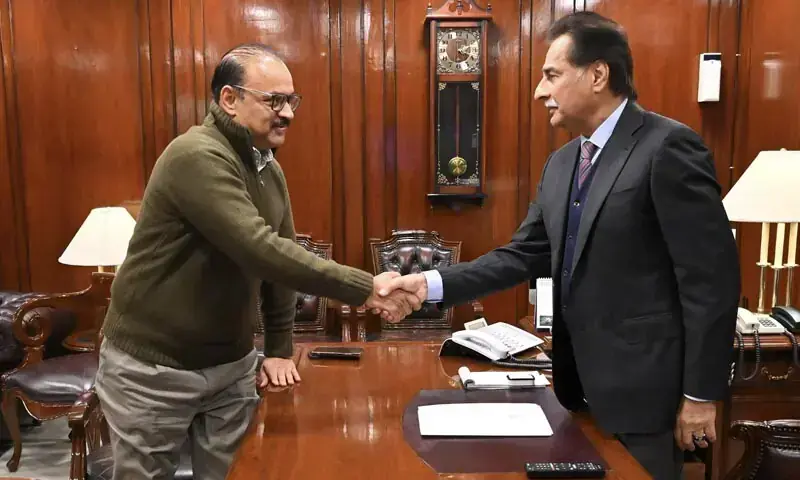
In a letter to NA Speaker Ayaz Sadiq, Chief Whip Amir Dogar claimed that the nine MNAs were “currently detained” and requested him to issue production orders for them to enable them to attend the 30th session starting today.
The lawmakers comprised Haji Imtiaz Ahmad Choudhry (ΝΑ-68), Muhammad Jamal Ahsan Khan (NA-89), Mian Ghous Muhammad (ΝΑ-170), Sanaullah Khan Mastikhel (NΑ-91), Dawar Khan Kundi (NA-43), Junaid Akbar (NA-09), Amjad Ali Khan (NA-02), Fazal Muhammad Khan (ΝΑ-25) and Adil Khan Bazai (NA-262).
“As the speaker of the National Assembly of Pakistan, the impartiality of your esteemed office requires that production orders be issued for all detained members, irrespective of their political affiliation, to ensure that no constituency remains unrepresented during the proceedings of the House,” the letter read.
It requested Sadiq to issue the production orders under Rule 108 of the 2007 Rules of Procedure and Conduct of Business in the National Assembly.
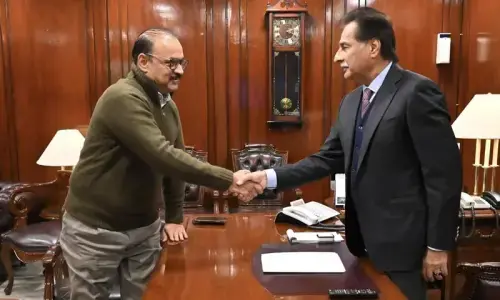
President Asif Ali Zardari had summoned the sessions after he and Prime Minister Shehbaz Sharif agreed on it during their weekend meeting on the country’s political and security situation.
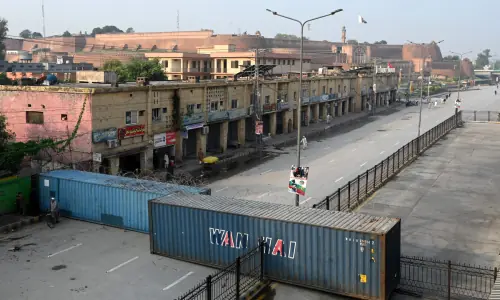
The sessions also follow the imposition of governor’s rule in Khyber Pakhtunkhwa and emergency in 12 of its districts, for which the Centre cited the PTI-led provincial government’s “deliberate disengagement” from the fight against terrorism.
President Zardari had approved the measures under Articles 232 and 234 of the Constitution, which pertain to the proclamation of emergency and governor’s rule, respectively.
According to Article 232, in case the president “acts on his own” — which was not the case for KP as he acted on PM Shehbaz’s advice — the proclamation of emergency is to be placed before both houses of Parliament for approval by each house within 10 days.
It also empowers Parliament “to make laws for a province, or any part thereof, with respect to any matter not enumerated in the Federal Legislative List” during emergency.
In the upper house, Senator Kamran Murtaza of the Jamiat Ulemai-i-Islam–Fazl (JUI-F) had submitted a resolution on Monday opposing the imposition of governor’s rule in KP.
More to follow