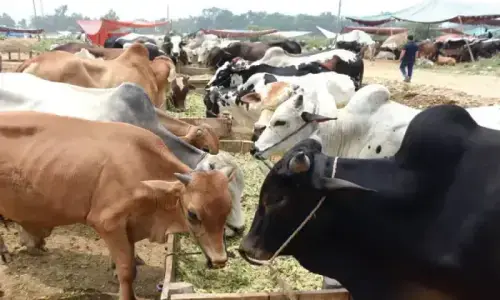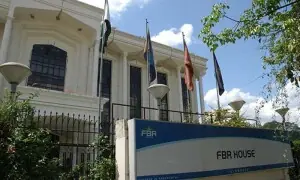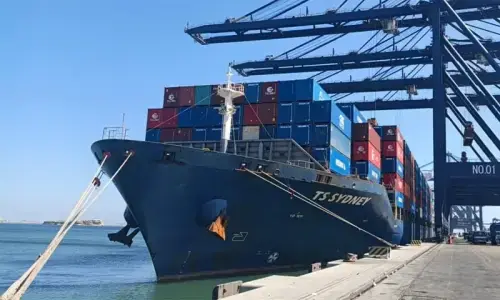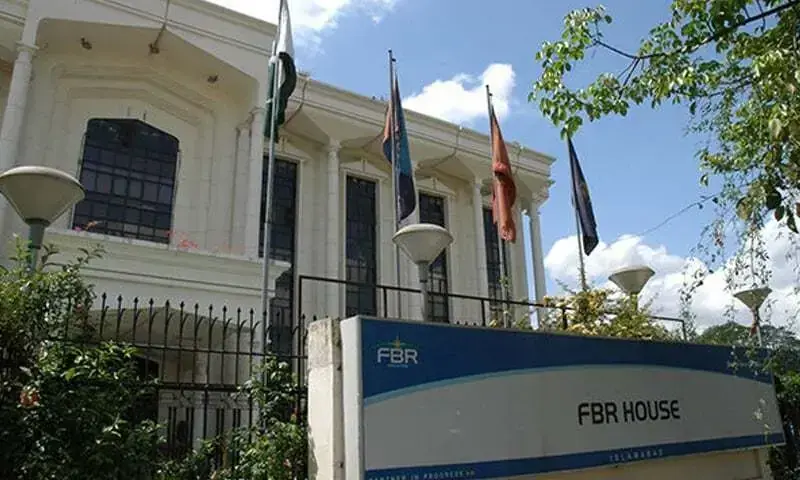
ISLAMABAD: The Federal Board of Revenue (FBR) has issued new rules allowing duty- and tax-free imports of live cattle, sheep, and goats for fattening and subsequent export, either as live animals or as processed meat.
The facility is offered under a new scheme to facilitate export-oriented livestock and meat processing businesses. The new rules are issued through a notification SRO1752 of 2026, which will be finalised in the next seven days after feedback from stakeholders.
The scheme offers exemptions from customs duty, additional customs duty, regulatory duty, sales tax, federal excise duty and withholding income tax, subject to prescribed export obligations and regulatory safeguards.
However, the scheme will not apply to animals born in Pakistan. The facility will cover bovine animals, sheep and goats, excluding purebred breeding animals.
Waiver meant for fattening and re-export as meat or live animals
Under the proposed rules, the scheme will operate through two separate arrangements. Track-A will allow the import of live animals for fattening and subsequent export as live animals, while Track-B will permit their import for fattening, slaughter, processing and export of meat and meat products.
Under the proposed rules, authorised businesses will also be allowed to import or acquire animal feed, veterinary medicines, vaccines, supplements, disinfectants, and identification devices without paying duty and taxes. These inputs must be used exclusively to fatten imported animals intended for export.
The FBR has also proposed allowing investors to import plant, machinery, and equipment to establish or expand feedlots, quarantine facilities, slaughterhouses, and meat processing plants under project authorisations.
Such projects will be allowed a 24-month commissioning period, extendable by another 12 months with approval from the Chief Collector. During this period, the normal export performance requirement or a firm export contract will not apply.
However, businesses benefiting from the facility will be required to export at least 80pc of imported animals by head under Track-A or 80pc of their total production by value under Track- B during the first full financial year of operations. The same export ratio must be maintained for the following four financial years.
Plant and machinery acquired under the scheme must remain installed and operational at the approved premises for five years from commissioning. The new rules prescribe specific timelines for processing imported livestock. Cattle must be exported or slaughtered for export within 180 days of release from quarantine, while sheep and goats must be processed within 120 days.
Under Track-B, meat and meat products obtained from imported animals must be exported within 120 days of slaughter. Slaughtering will be permitted only at registered export establishments under veterinary supervision, with separate processing arrangements for imported and domestic animals.
Published in Dawn, October 9th, 2026