I don’t know how many of you know of the word ‘philately’. But I am sure many of you have heard of what it represents — the study and collection of postage stamps, postmarks and postal history.
Stamp collecting was once a very popular hobby, but true philately goes a bit deeper. It is about understanding how stamps are made, why they were issued and how mail moved across the world through different eras.
The first postage stamp, printed in England in 1840, was named the ‘Penny Black’. Over time, almost every country issued hundreds of thousands of different postage stamps, a practice that continues today. As stamps began to showcase a multitude of designs, interest grew and people started collecting them. Even at the beginning of the century, collecting stamps was one of the most popular hobbies among youngsters.
Today, however, very few, if any, children would be seen taking up stamp collecting as a pastime. Usually, those who were already into the hobby are the ones who continue to pursue it.
As the world marked World Post Day yesterday, let’s look at one of the hobbies that grew alongside the postal service: stamp collecting. From rare and unusual designs to stamps that tell stories about countries and history, these tiny pieces of paper have much more to offer than meets the eye
A hobby on the decline
Perhaps the main reason is that today’s generation hasn’t seen people writing letters on paper and sending it by post with stamps pasted on them. The root cause is the wave of digitalisation. Social media platforms and communication apps have largely replaced traditional ways of communicating and letter writing.
When it comes to official communication, street addresses have been replaced with email addresses. Even when original documents need to be sent, using a private courier company instead of the government’s postal service is often preferred. This, in turn, minimises the chances of postage stamps coming into circulation.
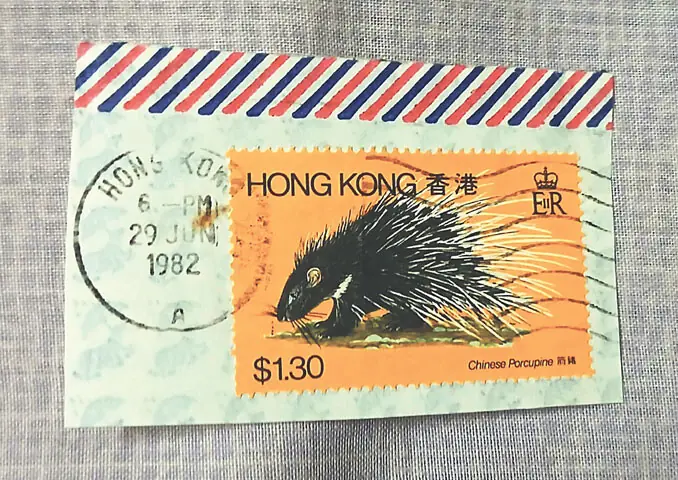
What exactly is a postage stamp?
Wondering what postage stamps are actually for? Simply put, they are proof that the sender has paid for a postal service.
The cost depends on where the letter or parcel is going and how much it weighs. Once the sender pays, a postage stamp of the required value is affixed to the envelope, which is then collected and sent on its journey.
The letter or parcel may travel across a city, a country or even the world before being delivered by a local postman. The postmaster also stamps it with the date and location from which it was sent.
What makes a stamp worth collecting?
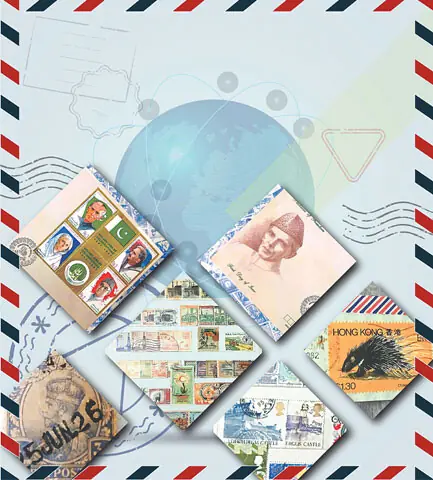
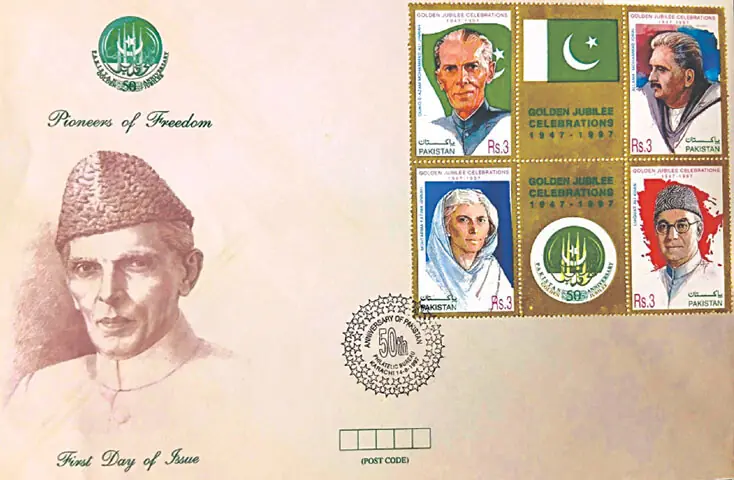
Postage stamps are small pieces of paper featuring a picture, design or pattern, with adhesive on the back. They are usually square or rectangular, although some unique and rare stamps come in different shapes. Their edges are perforated, making them easy to tear from the stamp sheet.
A stamp usually carries the name of the country that issued it and its value in the local currency. It may feature an important event, such as a sporting tournament, international exhibition or scientific discovery, or showcase the country’s leaders, famous places, exports and other aspects of its culture.
Interestingly, postage stamps do not necessarily reflect a country’s own national heroes or events. For instance, I came across a stamp from Iran featuring Quaid-i-Azam Muhammad Ali Jinnah and a Pakistani stamp from 1971 celebrating the 50th anniversary of the Hashemite Kingdom of Jordan. There are dozens of such examples.
Stamps with a story
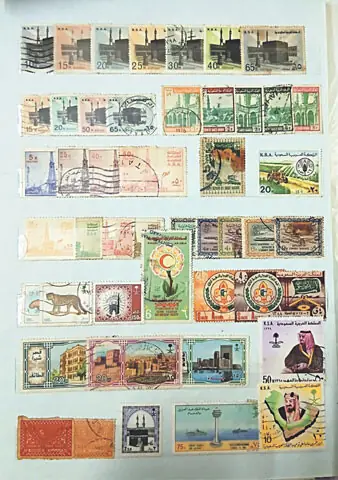
Like the ‘Penny Black’, there are many other unique stamps to look out for. A first-day cover is a collectible in which the entire envelope is designed along with the postal stamp. Intended to be sold on the first day of the stamp’s issue, the envelope may remain available for sale for a few more days.
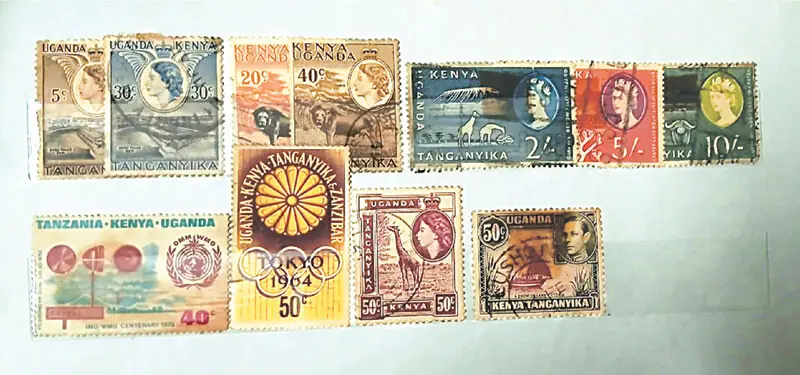
Some valuable stamps come from territories, countries or associations that no longer exist. For instance, Tanganyika, an East African territory from the 1960s, disintegrated in 1964. Similarly, stamps from Czechoslovakia, which is now divided into the Czech Republic and Slovakia, can also be counted under this category.
Pakistan’s stamp stories
Bahawalpur, before being annexed to Pakistan, was a state with its own postage stamps, which are also considered valuable by collectors. Along with English and Urdu, Pakistani stamps before 1971 used to carry the Bangla language on them.
Pakistan launched its first-ever postage stamp almost a year after its independence, in July 1948. Until then, for a short period, Indian stamps from before independence were used as a makeshift arrangement. The word ‘India’ was struck off and the word ‘Pakistan’ was printed above it. These stamps also became highly sought-after among collectors.
Finally, stamps with different shapes, such as triangular and diamond-shaped stamps, are considered unique as well. On the 100th birthday of Quaid-i-Azam in 1976, Pakistan launched a 10-rupee postage stamp. With a golden silhouette of the founder on a dark green background, the stamp also had 25mg of real gold incorporated into it, which made it one of the most sought-after Pakistani postage stamps among collectors.
How to start a stamp collection
While current postage stamps can be easily purchased from any post office, many collectors would earlier head to the GPO (General Post Office) to purchase packets of Pakistani stamps. These packets are usually year-specific and contain all the stamps launched in that particular year.
A few street vendors in the old city areas are still seen selling stamp packets from different, relatively unheard-of countries for throwaway prices. The authenticity of these stamps, however, remains a big question mark.
Vintage stamps are also sold online and sometimes auctioned for inflated prices by stamp lovers and collectors. Many would exchange duplicate stamps in their collections with others, keeping in mind that the stamps being exchanged were of almost the same value.
An easier, though slower, way to build a collection is by saving stamps from the occasional letters or parcels that arrive by post. Friends, family and neighbours can be asked to pass on any stamped envelopes they receive. Relatives living abroad can also be encouraged to send the occasional letter by traditional post, bringing stamps from different countries into the collection.
Taking care of the stamps
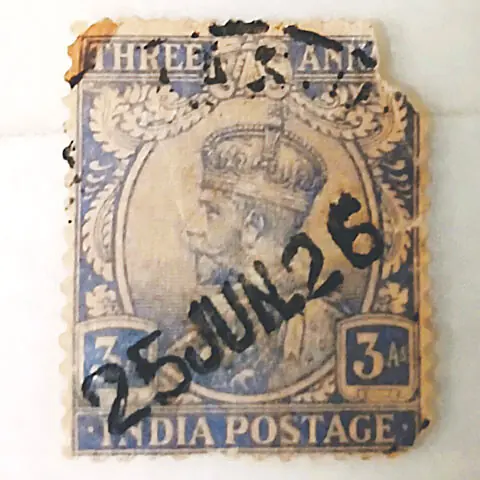
Removing a stamp from an envelope properly is important to preserve its value. The envelope, or the part with the stamp attached, can be soaked in water for about half an hour. The stamp should then loosen and come away from the paper, after which it can be set aside to dry. If it is still stuck, it may need to be gently removed by hand while wet.
Care is needed throughout the process to avoid damaging the stamp’s corners or edges. The stamp should never be torn, blotted or written on, as even small marks can reduce its value.
The tools of the trade
Specialised stamp-holding tweezers or stamp tongs are used by collectors to hold stamps or transfer them to their collections. Their round, flattened tips make it easier to handle stamps and, more importantly, reduce the chances of leaving dirty marks or fingerprints on them. Many collectors use a magnifying glass to examine stamps and check them for any secret security marks.
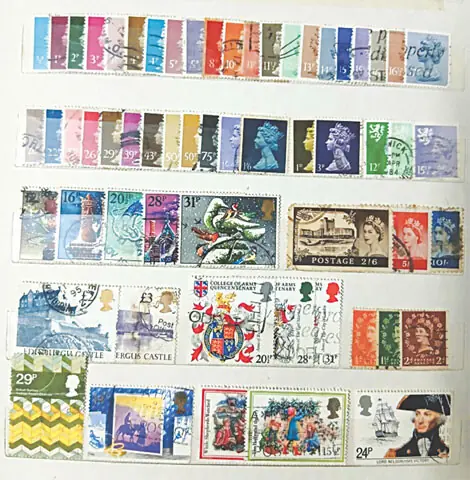
Finally, when the collection grows, collectors place the stamps in dedicated stamp albums. The stamps are carefully placed and arranged behind plastic strips on the album pages. These albums not only hold the stamps but also give the collection an overall neat look.
Sadly, letter writing and posting letters are now on a steep decline. With almost the entire world at your fingertips and the ability to reach anyone, anywhere in seconds, the days-long or month-long process of posting a letter and having it received by the recipient is taking a back seat.
Regardless, stamp collecting is an engaging hobby that can spark curiosity, broaden horizons and take you on a journey through the world’s history, geography and cultures.
Published in Dawn, Young World, October 10th, 2026