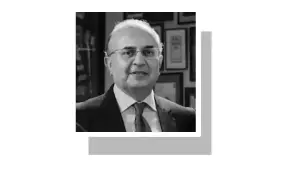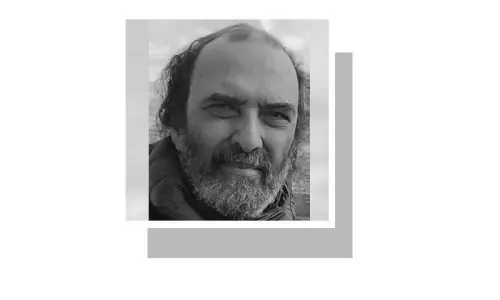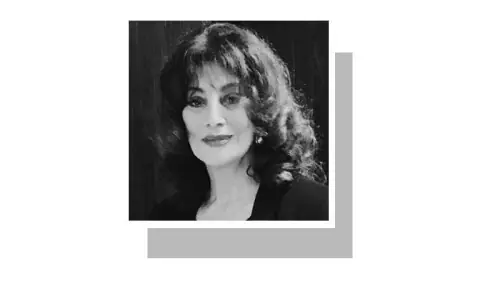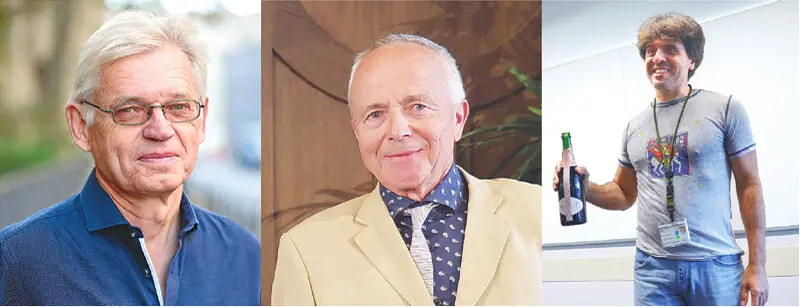
STOCKHOLM: The Nobel medicine prize was awarded on Monday to US psychiatrist and neurologist Karl Deisseroth and German scientists Peter Hegemann and Georg Nagel for their pioneering work in the neuroscience field of optogenetics.
Optogenetics involves controlling nerve signals with light, and helps researchers understand how specific cell types contribute to behaviours like learning, fear, addiction and movement.
The trio were honoured “for their discovery of a molecular switch for nerve cells”, the Nobel Assembly said. “It’s an incredible honour and unexpected, but I’m deeply honoured,” Deisseroth told the Nobel Foundation in an interview, adding that he had been working late on the US west coast and had just laid down to sleep when the call came from Stockholm.
“Now I don’t think I’ll be able to sleep for quite a while.” Using light, researchers are now able to switch individual neural circuits on or off in a brain. They have been able to reveal neural circuits governing specific memories, feelings, and behaviours relevant for neurological and psychiatric disorders.
In clinical medicine, the method has been used on humans on a very limited basis, particularly to treat a specific form of blindness, and may one day lead to treatments for disorders such as Parkinson’s disease and epilepsy.
Nagel, who received the call while in Italy, said he had thought the limited clinical adoption of optogenetics meant it was “still too early” to be considered for a Nobel prize. “I have some friends who always say that they are watching what’s happening in October when they are announcing it, and I always told them, keep cool,” Nagel told the Nobel Foundation in an interview. But the jury also highlighted how the field had “fundamentally altered our understanding of the brain”.
Switching on brain cells
In optogenetics, scientists control neurones by stimulating them with light, potentially unlocking breakthroughs for conditions such as dementia, depression and blindness.
“Being able to manipulate cells with a combination of light and genetics has been transformational across the biological sciences,” said Simon Schultz, neurotechnology professor at London’s Imperial College.
Here are some key facts about optogenetics and its uses.
Protein discovery
In a type of green algae, Hegemann and Nagel discovered a light-sensitive protein that they dubbed channelrhodopsin.
Deisseroth introduced it genetically into a cell and stimulated it with light, which triggered a nerve signal in rats and mice.
Controlling the light, scientists can switch a neurone’s signal on off with minute precision.
By turning off some neurones and observing others, they can track which areas affect certain functions.
Introducing the prize, Nobel medicine committee member and neuroscientist Abdel El Manira said the discovery shed light on functions “from parental behaviour and aggression to anxiety and fear, as well as fundamental physiological drives such as thirst and water intake”.
Memory
Schultz said his own team had used optogenetics “as a closed loop treatment for memory disorders” by lengthening the pulses that help the brain store memories.
“The next step is to demonstrate that we can improve learning and memory in complex tasks,” he said in comments released by the college.
Blindness
Jose-Alain Sahel, founder of the Vision Institute in Paris, said his team carried out promising trials using optogenetics to treat a degenerative disease.
Conscience and AI?
Journalists at the award ceremony in Stockholm questioned the committee about whether the science shed light on parallels between real and artificial brains.
Could it help us understand subjective consciousness? “For now, this tool does not help us understand what conscious is,” said El Manira.
“It will be a Nobel Prize some years ahead, I’m sure.”
Published in Dawn, October 6th, 2026