Fresh Yemen clashes kill more than 60: military, medical sources
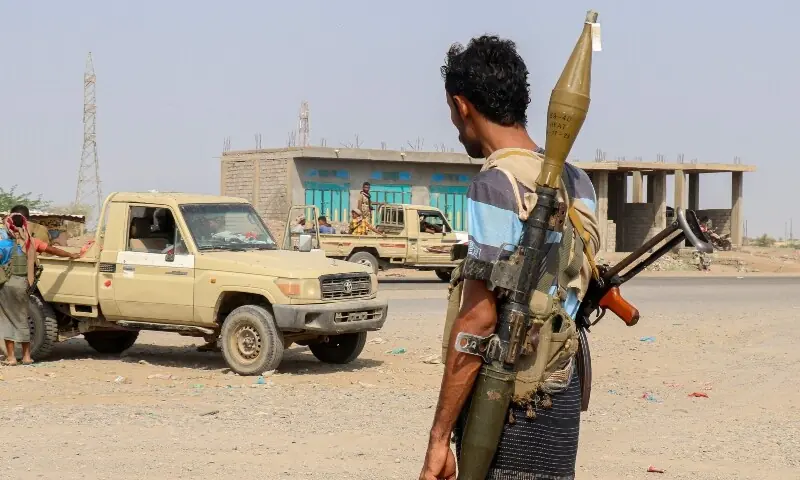
Fighting between Yemen’s Saudi-backed government forces and the country’s Houthi rebels killed more than 60 people on Saturday, including civilians, medical and military sources told AFP.
The renewed clashes in Yemen’s southwest over control of a gateway to the Red Sea came after Friday saw some of the deadliest fighting in years, following the collapse in July of a 2022 ceasefire.
According to three Yemeni military sources, 26 government troops were killed during several hours of fighting in the country’s southwest, while medical and military sources from the Houthis said 31 rebel fighters were killed.
One medical source in the government-held city of Taiz said a missile strike also killed six civilians travelling by bus and wounded seven others.
A government official blamed the strike on the bus, travelling between Taiz and the seat of Yemen’s internationally recognised government in Aden, on the Houthis.
In Taiz, a military officer said the “coming hours will be decisive” after the Houthis seized positions near the city a day earlier.
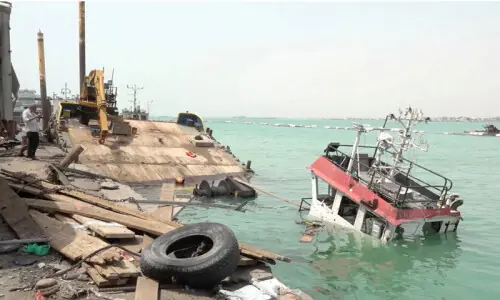
The officer added that reinforcements had been arriving from Aden in response to the Houthi offensive, which aims to cut off the government-held port city of Mokha, under fire for weeks, and advance towards areas bordering the Bab al-Mandeb strait.
On Friday, the fighting killed 129 people, according to an AFP tally compiled from several sources.
With Iran’s closure of the Strait of Hormuz to commercial ships, the Bab al-Mandeb chokepoint has gained importance as a transit route for oil from Saudi Arabia, the world’s biggest exporter of crude.
A military official told AFP on Saturday that three airstrikes by Saudi Arabia, a key backer of the government in Aden, had targeted positions recently captured by the Houthis in Taiz.
In July, a fragile truce between the Houthis and Yemen’s government fell apart after the rebels welcomed an Iranian plane to the capital Sanaa, setting off a spate of attacks.
The fighting between the Houthis and government troops supported by US ally Saudi Arabia signals the emergence of a new front in the wider Middle East war, which broke out in late February with US-Israeli strikes on Iran.
The Houthis have also announced a maritime blockade of Saudi Arabia and have begun targeting its ships and territory.