Israel claims capture of strategic highland in southern Lebanon
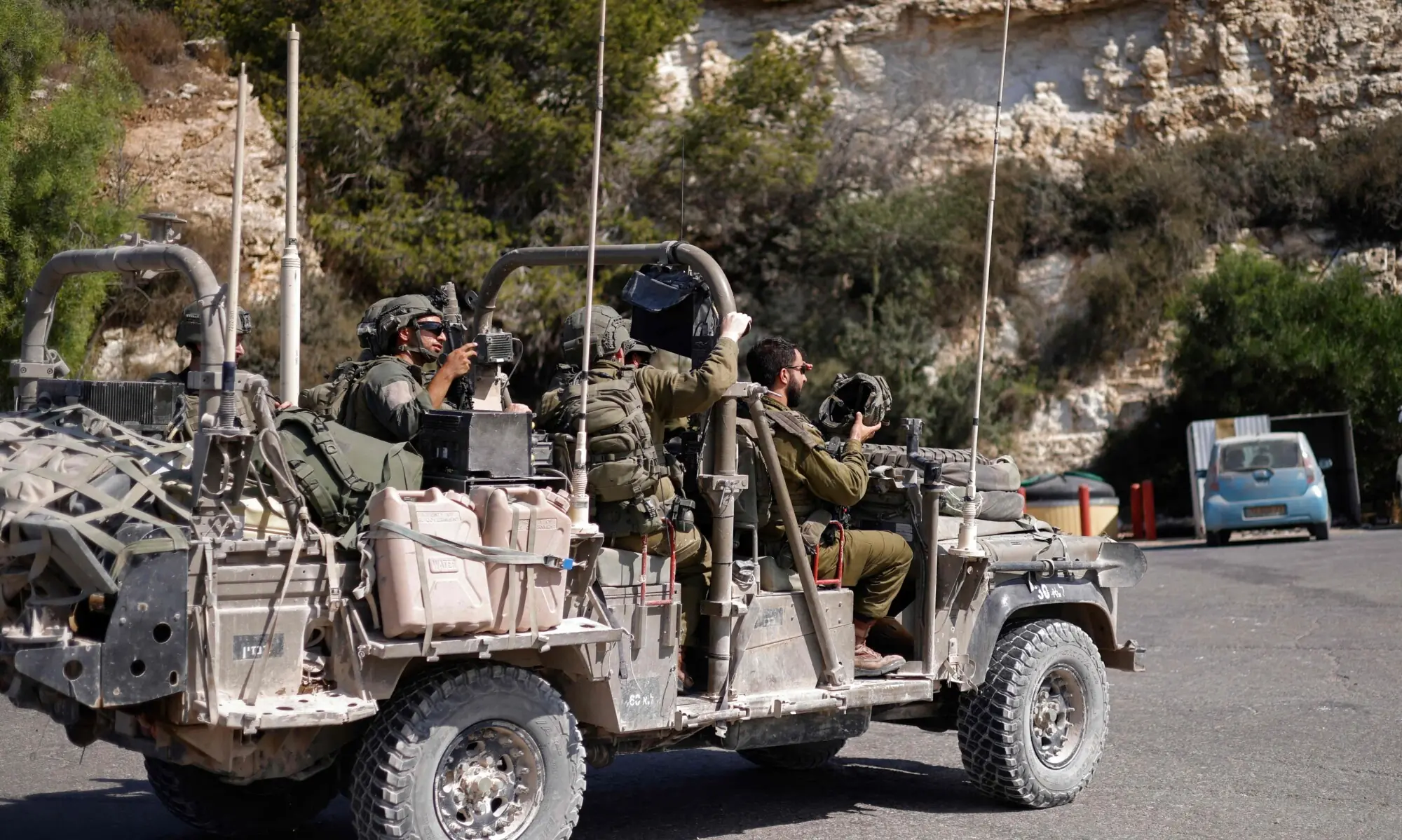
• Katz says development completes phase of securing southern Lebanon security zone
• Hezbollah insists Israel has exaggerated importance of Ali al-Taher ridge
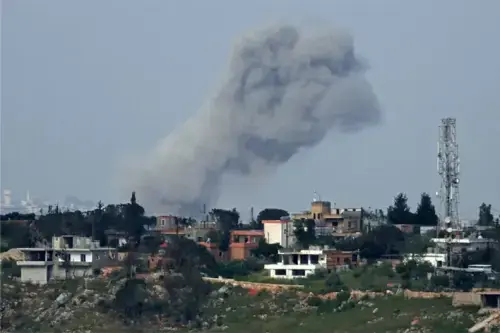
JERUSALEM: Israel’s military has cleared Hezbollah fighters holed up in tunnels under the “strategic” Ali al-Taher ridge in southern Lebanon, Israeli Defence Minister Israel Katz said on Friday, though the group did not immediately comment.
Israel had said Hezbollah fighters were embedded in tunnels under the ridge, which overlooks a wide area and had become one of the most hotly contested areas in Israel’s war on Lebanon, despite a ceasefire announced in June.
Reuters reported on Thursday that Iran had warned the United States last month that it would respond forcefully to an Israeli assault on its Hezbollah allies’ positions within the ridge.
However, Hezbollah earlier insisted that Israel has “exaggerated the importance of Ali al-Taher”.
Israel Defence Minister Israel Katz said in a statement, “The capture of the Ali Taher ridge marks the completion of the phase of securing control in the security zone in southern Lebanon.”
The military said some Hezbollah fighters had been “eliminated”, while others had fled.
Hezbollah did not immediately respond to a request for comment.
The Israeli military “will now complete the neutralisation of the tunnels and prepare in the appropriate tactical manner to hold the ridge and prevent the enemy from re-establishing itself in the area”, Katz said.
Katz said he and Prime Minister Benjamin Netanyahu, who faces close-fought elections on Oct 27, will pursue a “clear and uncompromising line” on Lebanon.
“Israel will not withdraw from the security zone in Lebanon until Hezbollah is disarmed throughout Lebanon and the threats over the residents of the Galilee are removed,” Katz said, referring to Israel’s northern region.
Israel and Hezbollah have been trading fire since early March after the killing of Iran’s supreme leader Ayatollah Ali Khamenei in US-Israeli strikes.
Israel has since carried out a massive campaign of air strikes and a ground invasion that have killed more than 4,300 people, according to Lebanese authorities.
The conflict has calmed since a US-Iran memorandum of understanding and a framework agreement between Israel and Lebanon’s government agreed in June, but the deal between Tehran and Washington has been shaky, with US forces this week resuming attacks on Iran.
Ali al-Taher ridge
Israel claims that Hezbollah used the Ali al-Taher ridge, a strategic high point, to fire at Israeli targets and had constructed there a vast network of tunnels housing a command structure.
The highland lies close to the major city of Nabatieh and the Litani river and is around 10 kilometres from the border with Israel.
It is also just a few kilometres from Unesco-listed Beaufort castle, another strategic site that Israel captured in recent months.
Ali al-Taher ridge, on the edge of the Israeli-proclaimed “security zone”, overlooks surrounding areas and key districts further north, and sits atop a network of tunnels.
During US-mediated negotiations between Lebanon and Israel, Washington proposed the Lebanese military take over the ridge, but Hezbollah refused, according to a source close to the talks.
Military expert Riad Kahwaji told AFP that the ridge is “in between several villages and adjacent to the city of Nabatieh” with a “web of tunnels (that) connects these villages around it”.
The Israeli military on Thursday claimed that the tunnel network included “command centres (and) weapons storage rooms”.
“The infrastructure is a strategic underground network that was built over two decades and funded and planned by the Iranian terror regime,” it added.
Kahwaji, who heads the INEGMA military analysis institute, said the hilltops overlook Iqlim al-Tuffah, an area further from the border where Hezbollah holds sway, as well as part of the country’s east.
Control of the area would therefore “give the Israelis an easy passage to move on both sides”, he said.
Speaking to journalists including AFP last month, Hezbollah spokesman Youssef al-Zein refused to say how many of the group’s fighters were at the Ali al-Taher position. He denied any Iranian personnel were there, as had been reported in some media outlets.
He claimed that Israel had “exaggerated the importance of Ali al-Taher” as a military objective but also vowed that Hezbollah would “defend this position as much as it can”.
Published in Dawn, September 5th, 2026