• Criticises PPP for ‘contradiction’ in its position on local government powers in Punjab and Sindh
• PPP leader says MQM-P angry due to ‘political isolation’
KARACHI: The Muttahida Qaumi Movement-Pakistan (MQM-P) on Sunday called for the creation of new administrative units across the country, fully empowered local governments and a broad-based national dialogue to steer the country out of its prolonged political and economic crises.
Speaking at a press conference with senior MQM-P leaders at its Bahadurabad headquarters, Federal Education Minister and party convener, Khalid Maqbool Siddiqui called it a right time to pursue this objective.
The press conference was also significant as it marked the first time Dr Siddiqui and Federal Health Minister Syed Mustafa Kamal had appeared together in public, following an alleged clash between two rival groups within the party, reportedly led by supporters of the two senior leaders, at MQM-P headquarters last month.
Their joint appearance appeared aimed at projecting unity at a time when the party is pushing an ambitious political agenda, centred on administrative reforms and greater provincial and local autonomy.
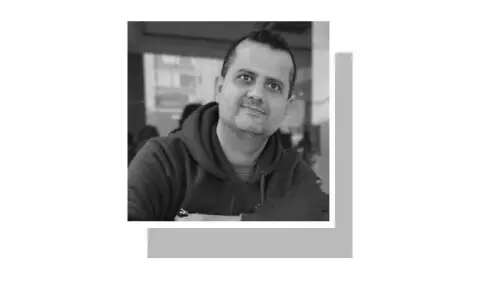
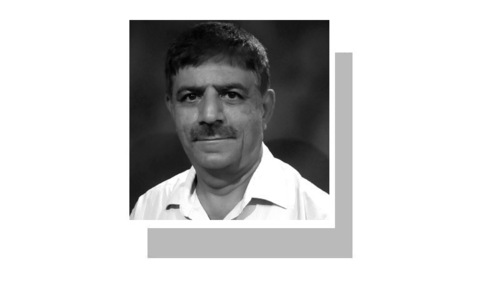
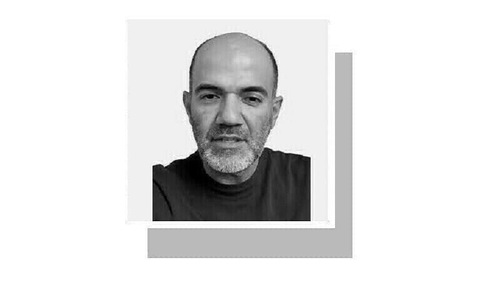
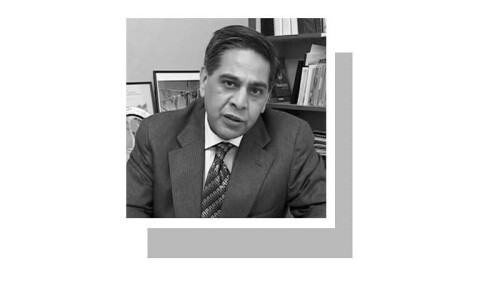
At the press conference alongside Mr Kamal, Dr Farooq Sattar, Anees Ahmed Qaimkhani and Furqan Atiab, Mr Siddiqui said the MQM-P would contact all political parties to initiate a comprehensive national dialogue. He said the party would also approach the Supreme Court to seek implementation of Article 140-A “in its true spirit”.
Mr Siddiqui criticised the PPP for the contradiction in its position on local government powers. He said the PPP had supported resolutions relating to Article 140-A in Punjab but was denying administrative and financial authority to local governments in Sindh.
“Pakistan needs new provinces and administrative units in accordance with its growing population and administrative requirements,” he said, arguing that the country’s population had increased from around 25-30 million at the time of independence to more than 250m today, without a corresponding restructuring of its administrative system.
He said MQM-P had consistently sought to bring middle-class and young people into political institutions, but said this had been viewed as a threat by the traditional ruling elite.
Speaking on the occasion, Mr Kamal said the demand for new administrative units was not directed against any nationality, but was intended to empower ordinary people across Sindh. He alleged that despite massive public spending, Karachi had been reduced to one of the world’s worst-managed cities, while conditions in rural Sindh remained even more difficult.
He said women in parts of rural Sindh were still forced to travel several kilometres to fetch drinking water, arguing that the existing administrative structure had failed to deliver basic services to citizens.
Mr Sattar said Pakistan could not achieve lasting economic and political stability without administrative restructuring. He said Karachi generated around 90 per cent of Sindh’s revenue and 55pc of the country’s exports.
He argued that administrative decentralisation would allow cities such as Karachi, Larkana and Sukkur to be governed by their own elected local representatives, ensuring a fairer distribution of resources and authority.
Mr Siddiqui said the MQM-P would continue its political and constitutional struggle for empowered local governments, describing Article 140-A as central to resolving the country’s governance crisis.
The party leadership said stronger local institutions and new administrative units were necessary to bring decision-making, resources and public services closer to citizens.
PPP’s response
Later, senior PPP leader and provincial minister for local government Nasir Shah responded to the MQM-P presser, saying that Sindh would never be divided.
“Whenever the MQM leadership holds a press conference, its members appear severely angry and frustrated due to their political isolation. They are neither elected by the people of Karachi nor do they have any real political representation,” he said in a statement issued on Sunday.
He said the people of Karachi knew the MQM leadership well, which was why they had rejected it. “Sindh will not be divided, but I am certainly seeing the MQM being divided,” he said.
Separately, in a video statement, Sindh Labour Minister Saeed Ghani said the people of Sindh were united in their opposition to the creation of a new province. He said MQM-P leaders Siddiqui, Sattar and Kamal could not even be elected as councillors from their respective areas, yet they were talking about carving out new provinces from Sindh.
Published in Dawn, August 17th, 2026