No catch for the day: Pakistan's tuna trade caught in US-Iran crossfire
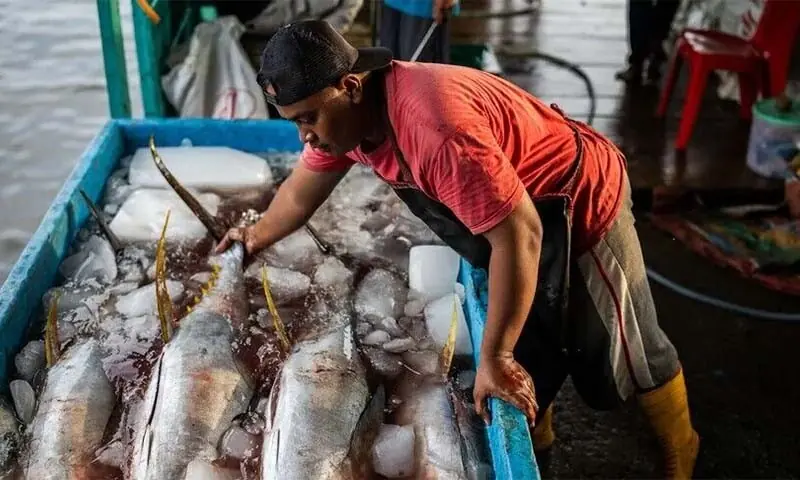


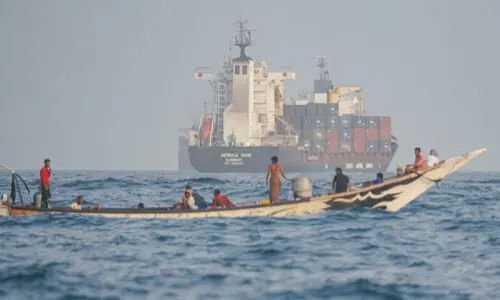
In Iranian waters, a strange trade is taking place — Pakistani fishermen exchange subsidised Iranian fuel for high-value tuna, a barter system now under threat from escalating US-Iran tensions.
Shah Zamin Khan is among thousands of Pakistani tuna traders whose lucrative business has been at a near standstill since February, when the US-Israeli war on Iran began.
The recent targeting of Iranian seaports by Washington has made matters worse.
Iran’s southern ports of Konarak, Pasabandar and Beris, which border Pakistan’s southwestern Balochistan province and serve as key fish trade hubs, are among the sites targeted by US airstrikes in recent weeks.
“Our businesses were already affected by the war, but the recent targeting of Iranian seaports has turned the region into a no-go area for us over the past one month,” Khan told Anadolu.
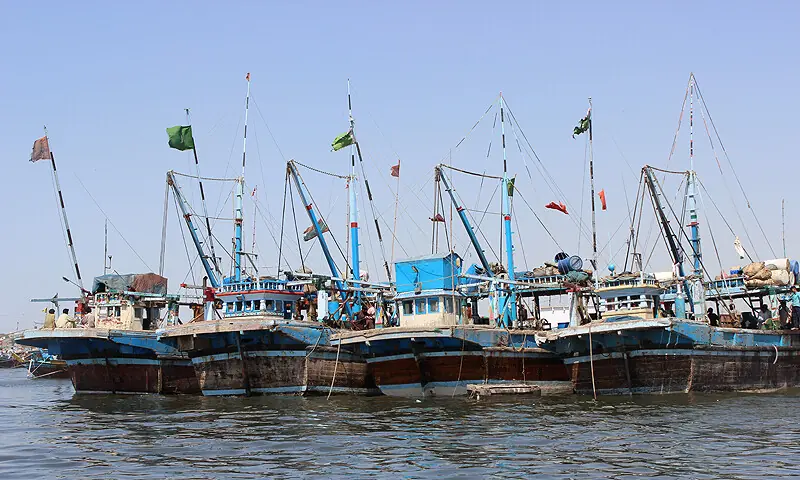
Boat owners, according to Khan, have completely stopped sending their vessels to the Iranian ports for fear of US strikes.
In July, three fishermen were killed and 15 others injured in a US strike on a commercial fishing pier in the coastal city of Sirik in Iran’s southern Hormozgan province.
Earlier in March, a 17-year-old Pakistani fisherman was killed after debris from an intercepted projectile struck his vessel in the Arabian Sea.
Tuna is a staple in Iranian kitchens, but it has little demand in Pakistan, leaving fishermen with few options for selling their catch.
“There is not even a single company in Pakistan to buy our tuna. Iran is the only option for us,” said Hussain Baloch, another fisherman involved in tuna trade.
Speaking to Anadolu, he said that tuna fetches prices six to seven times higher in the Iranian market than in Pakistan.
Without access to the Iranian market, he went on to say, the entire tuna fishery would collapse, threatening both income and employment for thousands of fishermen.
Boat building industry also takes a toll
Since the start of the war, Pakistan has shut its border with Iran, disrupting both the inflow of fuel and the export of fish.
This double blow has added to the woes of fishing communities already suffering from the impacts of climate change and overfishing.
The escalating fuel prices have also brought Pakistan’s boatbuilding industry to a standstill, with new orders declining by up to 90 per cent.
The Karachi Fish Harbour — Pakistan’s primary seafood hub — and other coastal areas are known for building a wide range of fishing vessels, not only for local fishermen but for neighbouring Iran as well.
“We normally build 25 to 30 big cargo vessels for our Iranian clients, in addition to over 100 small and big boats for local fishermen annually. But over the last five months, we have not received any new order [from Iran],” said Haji Mohammad Wada, chairman of the Pakistan Boat Building Association.
“Currently, we are just finishing a few previously placed orders from Iranian clients,” he said, while speaking to Anadolu.
The impact of the Middle East tensions has not been limited to foreign contracts, but has also taken a toll on local orders.
“There is a huge decline in local orders as well during the past few months because of rising fuel costs and a halt in fish trade with Iran,” Wada said.
Mohammad Moazzam Khan, the technical advisor to WWF-Pakistan, said Pakistan’s tuna trade and boatbuilding industry heavily depend on orders from Iran, and if the Mideast conflict continues, it will permanently strip tens of thousands of Pakistanis of their livelihoods.
Speaking to Anadolu, he said Pakistan’s boatbuilding industry produces fishing vessels, particularly large-sized gillnet boats for Iran, which operate in the high seas, including the Strait of Hormuz.
Fishermen pin hopes on ceasefire efforts
Fishermen, including Khan and Baloch, however, pin hopes on the ongoing diplomatic efforts aimed at bringing an end to hostilities and reaching a permanent ceasefire between the US and Iran.
Mediators from Pakistan and Qatar hope the two warring sides are close to reaching an agreement to reopen the Strait of Hormuz and subsequently hold talks to end the months-long conflict.
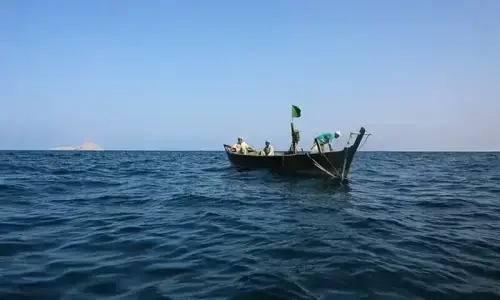
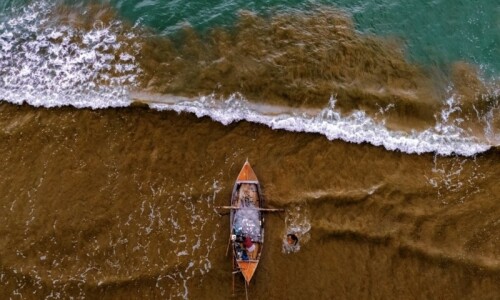
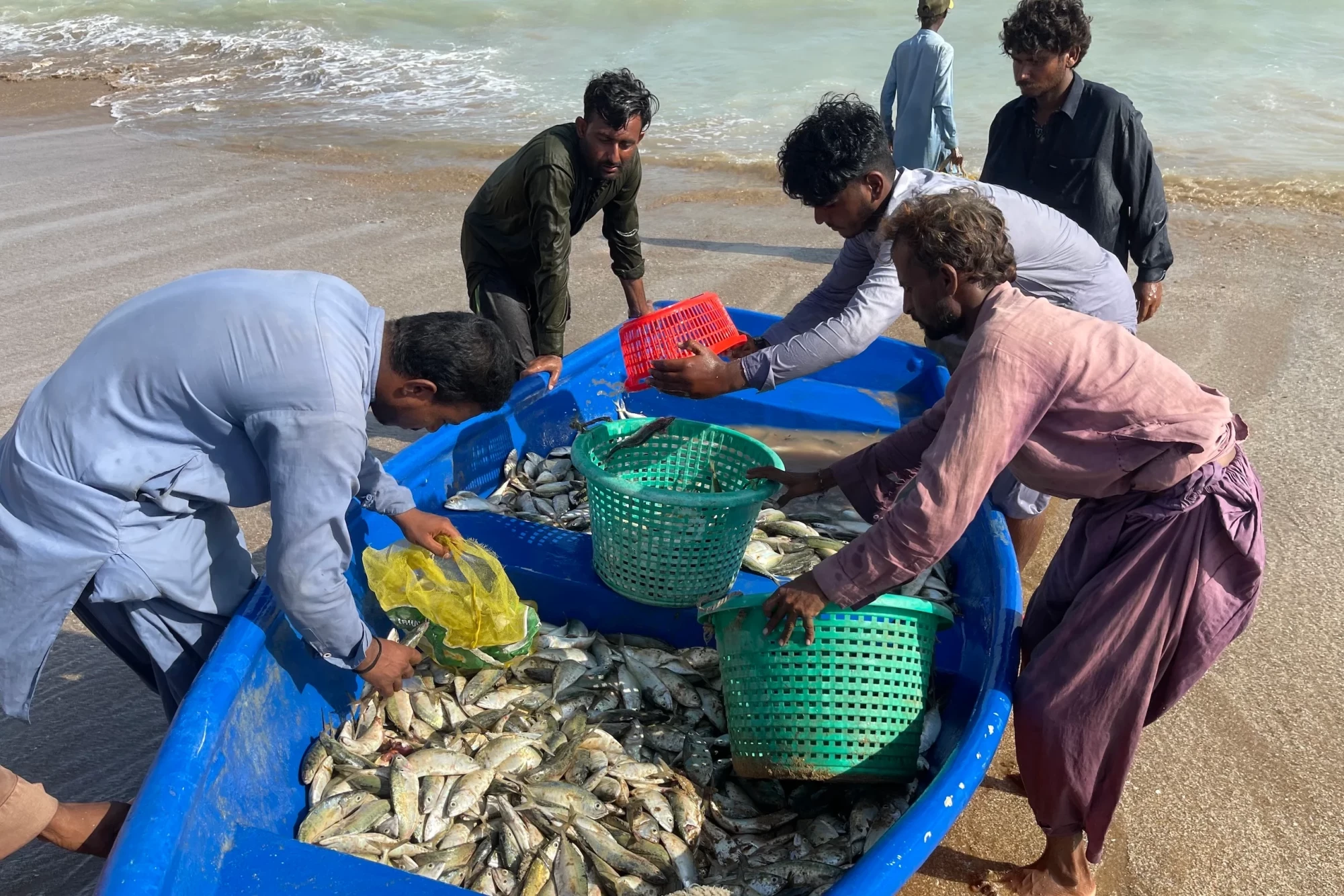
Hundreds of Pakistani fishing boats and trawlers have left the ports of Karachi, Jiwani and Gwadar over the past few days on a 40-day catch-and-sell journey, putting their faith in God.
“Insha’Allah, there will be good news by the time we end catching and proceed to the Iranian ports to sell that,” said Khan, who is leaving in a few days to catch fish.