LHC disposes of PTI petition for rally at Minar-i-Pakistan after DC refuses permission
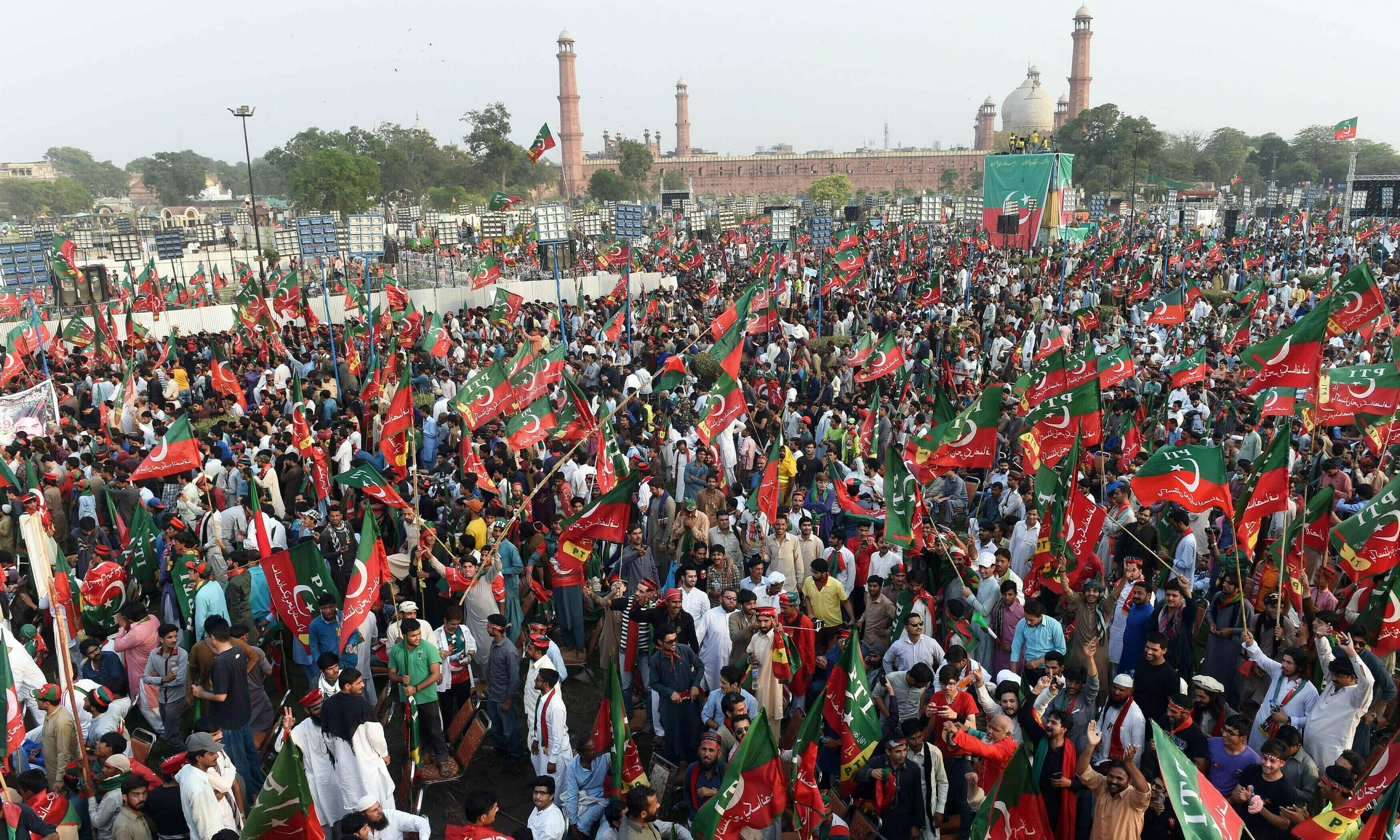
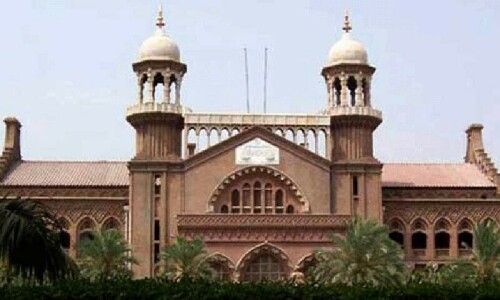
LAHORE: The Lahore High Court (LHC) on Wednesday disposed of a petition filed by PTI seeking permission to hold a public rally at Minar-i-Pakistan after it was informed that the deputy commissioner had denied the request.
The PTI announced it would stage countrywide protests today (Wednesday) to mark three years since the imprisonment of party founder Imran Khan and demand his release, with a gathering in Peshawar serving as the centrepiece of its campaign.
On Wednesday, Justice Mirza Viqas Rauf heard the petition filed by PTI Lahore President Mian Akram Usman seeking permission for the Minar-i-Pakistan rally.
At the outset of the hearing, the judge directed a law officer to seek instructions from the deputy commissioner.
When the hearing resumed, the law officer appeared before the court, saying the deputy commissioner had rejected the petitioner’s application at a high-level meeting. He argued that permission for the rally could not be granted in view of potential terrorist threats in Lahore.
Justice Rauf then asked the petitioner’s counsel under what law the court, while exercising its jurisdiction under Article 199 of the Constitution, could grant permission to hold a public gathering when the deputy commissioner had decided the matter.
The judge disposed of the plea and advised the lawyer to challenge the deputy commissioner’s order if the petitioner felt aggrieved, observing that it would be the appropriate legal remedy.
In his petition, the PTI leader said that he submitted a request for a no-objection certificate on July 22 seeking permission for the rally, along with assurances of full compliance with security, traffic and administrative protocols.
He alleged that despite repeated follow-ups, the deputy commissioner’s office had neither granted nor formally refused the request. Instead, he said, the deputy commissioner resorted to delaying tactics and administrative silence.
The petitioner argued that this inaction amounted to an indirect refusal that infringed on the petitioner’s fundamental rights, which protect due process, peaceful assembly, freedom of association and freedom of expression.