KARACHI: Health experts on Tuesday warned that stroke is rapidly emerging as one of the country’s gravest public health challenges, with around 350,000 people suffering a stroke every year and nearly 100,000 dying annually, making it the country’s second leading cause of death after ischemic heart disease.
They said an estimated 4.8 per cent of Pakistan’s population, which is around 9.1 million people, is living with stroke, while the lifetime risk remains alarmingly high, affecting one in four men and one in three women.
The experts stressed that the growing burden of stroke, coupled with a severe shortage of neurologists and inadequate treatment facilities, demands urgent investment in prevention, early diagnosis, specialist training, and dedicated stroke care services.
These concerns were highlighted during a ceremony where the Pakistan Stroke Society (PSS) and PharmEvo signed a Memorandum of Understanding (MoU) to launch Leaders’ Track Neurology 2.0, a nationwide academic initiative aimed at strengthening stroke care through the training of young neurologists and postgraduate physicians.
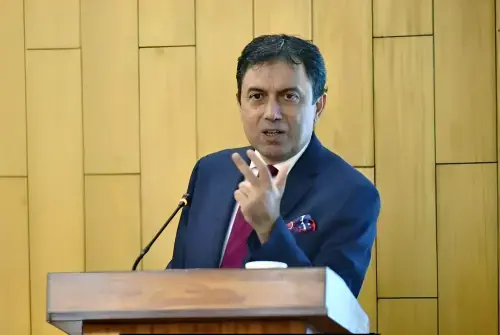
Speaking on the occasion, Pakistan Stroke Society President Dr Abdul Malik said that despite Pakistan’s population exceeding 250 million, the country has only 250 to 260 neurologists, with several practising overseas, leaving more than one million people for each neurologist.
He said Pakistan records approximately 350,000 new stroke cases every year, resulting in nearly 100,000 deaths annually. Stroke claimed an estimated 99,759 lives in 2021, making it the second leading cause of death in the country after ischemic heart disease. He emphasised that strengthening prevention strategies, improving early diagnosis, establishing dedicated stroke units, and expanding specialist training are essential to reducing stroke-related deaths and disability.
Abdul Samad of PharmEvo said his organisation remains committed to advancing medical education and clinical excellence in Pakistan. He said the initiative would expose young neurologists to international standards of stroke management through academic exchange and case-based learning.
Published in Dawn, August 5th, 2026