As a nine-year-old, I remember taking strolls with my tutor around her well-kept lawn while waiting for my car to arrive. My tutor, Zahra Mirza, was a kind, elderly Anglo-Indian lady, who always had an anecdote or interesting fact to share. She would tell me about her hummingbirds and the eggs laid by some of the birds in the small clay pots in the spacious cage.
She also seemed to know the names of every plant in the garden. Often, we would stop for a bit longer to check on the jackfruit tree. I had never seen the big, spiky, golden-yellow fruit anywhere other than on her property. She said that the tree was a gift from friends in India’s Mangalore (now Mangaluru), if I remember correctly.
For years afterwards, I never encountered another jackfruit. But I spotted it recently at Karachi’s Empress Market. It was being sold as kathal, its local name, at Rs400 per kilogramme. Given the fruit’s enormous size, buying one is not a matter of a kilo or two — the price of one fruit is in the thousands.
Curious, I did some quick research. I found out that the fruit, though sweet-tasting, is good for diabetics, and even better for those with a sluggish thyroid, cardiac issues and blood pressure.
A ripe jackfruit may be enjoyed fresh or cooked. Here is a recipe for jackfruit fritters and an easy chutney as a condiment
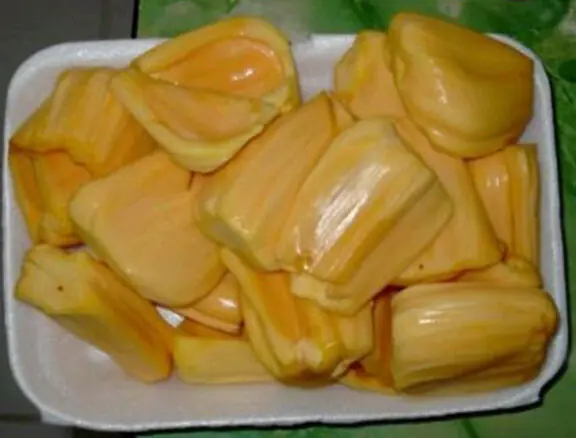
Jackfruit season in Pakistan, according to fruit sellers, starts in May and lasts until early August. The good news is that the fruit can be frozen after peeling and cleaning. But preparing to freeze it requires some effort, as the fruit is sticky and gummy, and clings to knives and hands. You will need to coat the knife and your hands with edible oil before cutting and peeling it.
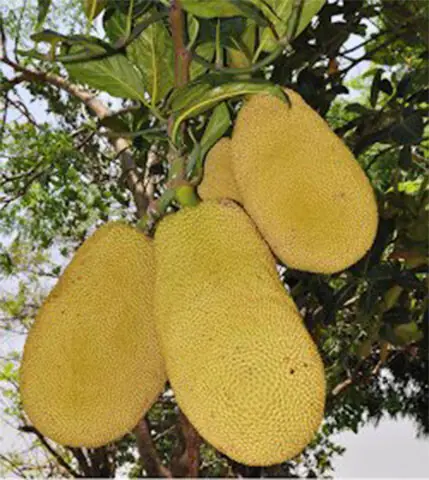
A ripe jackfruit is sweet and can be enjoyed fresh or used in a variety of dishes. During the monsoon, when the heart yearns for warm and crisp pakorray [fritters], there is no reason why you can’t move away from the traditional besan [gram flour] pakorray to make jackfruit pakorray.
JACKFRUIT FRITTERS
Soak one cup of rice in water overnight. Take one and a half cups of cleaned and peeled jackfruit along with one cup desiccated coconut, half a cup of gurr [jaggery] and put them into a blender. Drain the soaked rice and also add it to the blender. Do not add any water to these ingredients before blending, as the jackfruit and jaggery release enough moisture. Finally, add a teaspoon of salt and blend the ingredients to a smooth paste.
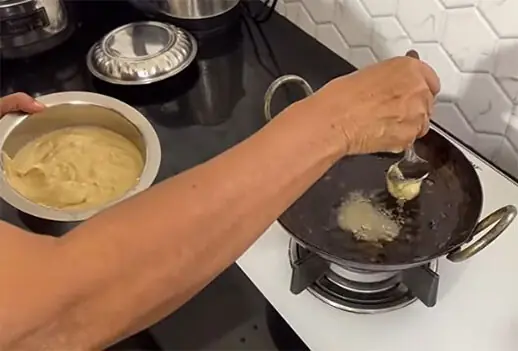
Now, fill a wok halfway, preferably with coconut oil, though any other cooking oil will also work. Heat the oil to about 175 degrees Celsius before adding separate tablespoons of your batter to it to make the fritters. The fritters are ready when they turn golden. Take them out on a paper towel to drain the excess oil and enjoy them hot.
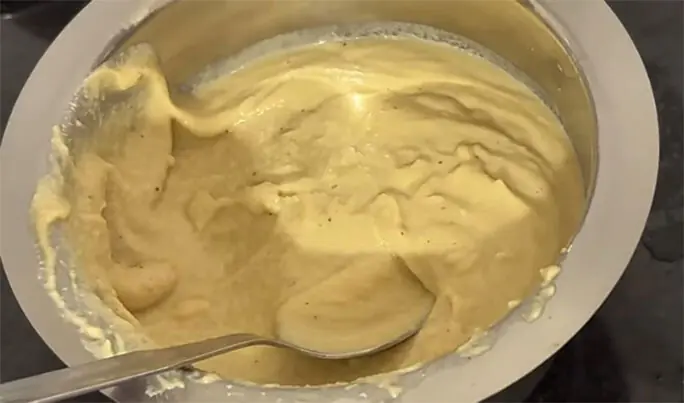
SOUTH INDIAN RED CHUTNEY
Just so you won’t have to enjoy your jackfruit fritters on their own, here is an easy South Indian red chutney to prepare to go with them.
Take a small piece of ginger (about the size of a teaspoon) along with three garlic cloves, one medium-sized chopped onion and three dried red chillies. Sauté the ingredients in a frying pan in two tablespoons of any cooking oil for five minutes on medium heat.
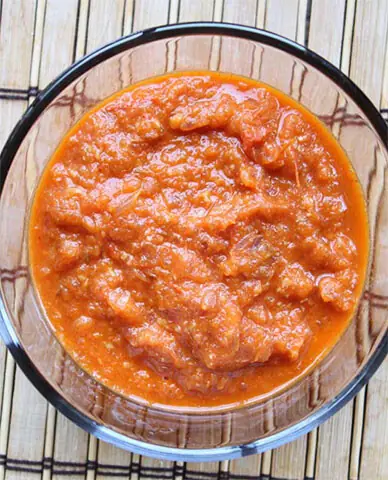
When the onions start turning translucent, add two medium-sized chopped tomatoes and sauté them for another five minutes before transferring the mix to a blender. Add one teaspoon of coconut oil, and salt to taste, to the mix and blend it into a soft paste. The chutney is ready.
The writer is a member of staff. X: @HasanShazia
Published in Dawn, EOS, August 2nd, 2026