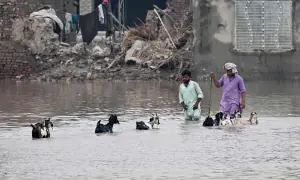
AS Pakistan faces yet another monsoon season, with authorities warning of heavy rainfall and the risk of urban and flash flooding in many parts of the country, it is important to look beyond emergency response and invest in preventive measures. Frequent warnings issued by the Pakistan Meteorological Department (PMD) underscore the urgent need to complement conventional flood-control measures with sustainable, nature-based solutions, like rain gardens. This simple, nature-based solution can help reduce the impacts of flooding.
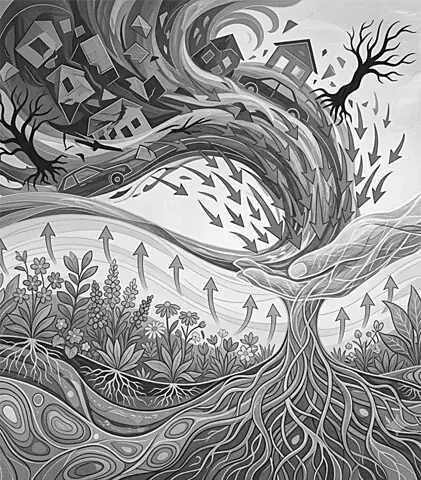
A rain garden means a shallow, planted depression that captures rainwater runoff from roofs, driveways and other hard surfaces. Instead of rushing into already overburdened drains, the rainwater is temporarily stored, filtered through the soil, and allowed to soak naturally into the ground. This process reduces surface runoff, improves groundwater recharge and removes many pollutants before they reach nearby water bodies.
While governments must strengthen drainage infrastructure, the public can also contribute. Homeowners, schools, housing societies and commercial buildings with available outdoor space can incor-porate rain gardens into their landscapes using native plants. Such initiatives will not only help manage stormwater, but also create greener neighbourhoods.
Climate upheaval are increasing the frequency and intensity of extreme rainfall events. Nature-based solutions, such as rain gardens, should become an integral part of Pakistan’s urban planning and awareness campaigns across communities. Small actions taken today can collectively build more resilient cities for the future.
Midha Manzoor Ghouri
Peshawar
Published in Dawn, July 30th, 2026