ISLAMABAD: While the general public remained unaware of the complaint mechanism, there was also no single platform available to lodge complaints regarding social media content, resulting in most aggrieved persons not reporting violations related to digital media.
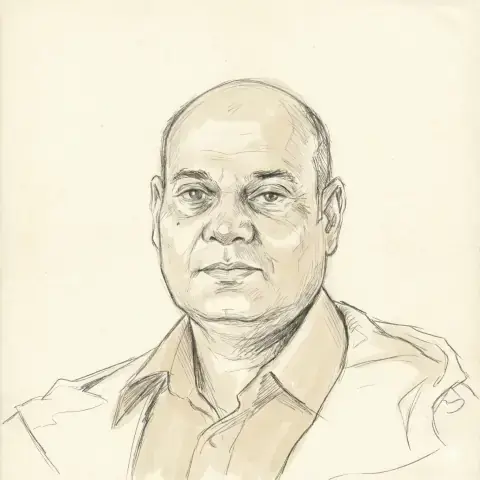
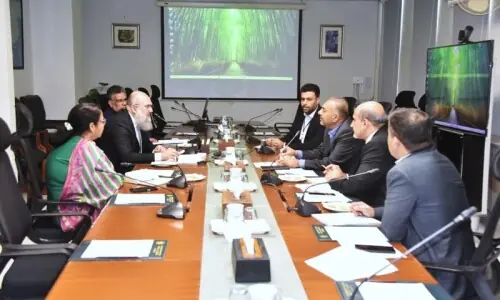
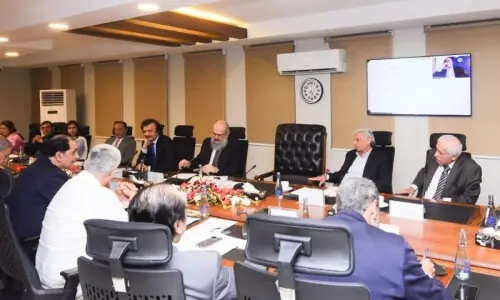
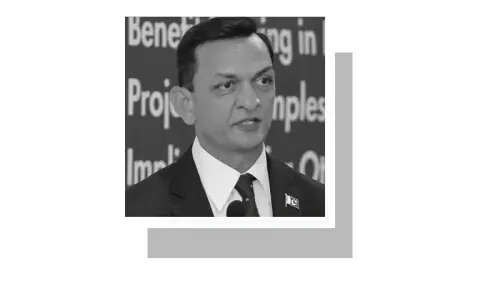
This was highlighted by Ikram Barkat, Director General of the Pakistan Electronic Media Regulatory Authority (Pemra), while speaking on the topic, “Measuring the Social and Economic Impact of Digital Media: Evidence for Policy”.
The lecture was organised by the Islamabad Policy Research Institute (IPRI), where Mr Barkat acknowledged that there was a lack of a unified mechanism as some powers rested with the Pakistan Telecommunication Authority (PTA), some with the Ministry of IT and Telecom, while the National Cyber Crime Investigation Agency (NCCIA) was also involved in the matter.
“We have regulatory bodies for print and electronic media, but there is no agency to monitor and redress complaints regarding social media,” the Pemra DG said.
He informed the audience that Pakistanis spent more than $689 million on digital media during 2025, including around $27 million on music purchases and $158 million on video games. However, he said, the real impact of social media was on the mental health of the general public, especially the youth.
He highlighted that during 2025, Pakistanis spent $392 million to watch videos on demand, a significant portion of which involved adult content.
“There are social impacts of wrong content, and this is serious as the majority of digital media users are not only youths, but a large number of them are underage children,” Mr Barkat said.
He stressed that excessive use of digital media was not only having an economic impact on the country but was also causing social consequences and mental health issues among citizens due to lack of sleep.
He also highlighted the political impact of growing digital media usage, saying misinformation and disinformation were increasing.
He added that the next frontier in this regard was more complex as more people were joining the internet user base, while artificial intelligence (AI) was advancing rapidly.
Pakistan has yet to begin implementing its AI policy, and the country should not delay the process, he said.
Mr Barkat suggested that Pakistan needed to promote safe and progressive use of AI as well as social media.
In his closing remarks, retired Brig Raashid Janjua stressed that in the current era, social media had changed the learning patterns of youth and that information was becoming more important than knowledge.
Published in Dawn, July 30th, 2026