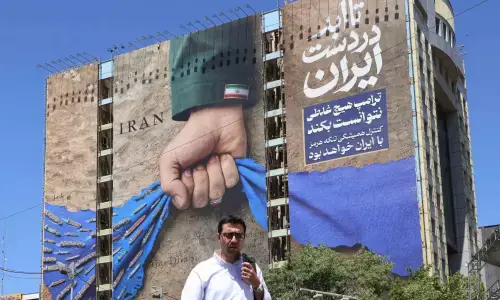
EARLIER this month, huge crowds gathered across Iran in connection with the funeral procession of Ayatollah Ali Khamenei. While it was discussed the world over, I wish to share a discussion that took place in a local classroom between a teacher and his students. Our conver- sation led us to a simple but profound conclusion: true leadership is judged not by the authority one exercises while in office, but by the respect, affection and gratitude one earns from the people.
History repeatedly demonstrates that leaders are remembered when they place national welfare above personal ambition. Public trust is not won through speeches or promises; it is earned through integrity, sacrifice, justice, compassion and an unwavering commitment to improving the lives of ordinary citizens. When a nation voluntarily gathers to honour its leaders, it reflects a bond built over years of selfless service. The classroom discussion naturally meandered its way towards Pakistan.
The many challenges facing the country require leaders who think beyond personal and political interests and devote them-selves to education, economic stability, merit and accountability. Such a leadership has the power to address today’s problems and to inspire our future generations.
Classrooms should encourage thoughtful discussions so that students may develop an informed understanding of leadership, responsibility and citizenship. Students tend to learn from global events that may potentially inspire them to become better citizens, striving for excellence in life.
Munawar Mangalwala & Anabia Khan
Karachi
Published in Dawn, July 29th, 2026