HRCP backs Cholistanis’ demand for land ownership rights


 0
0
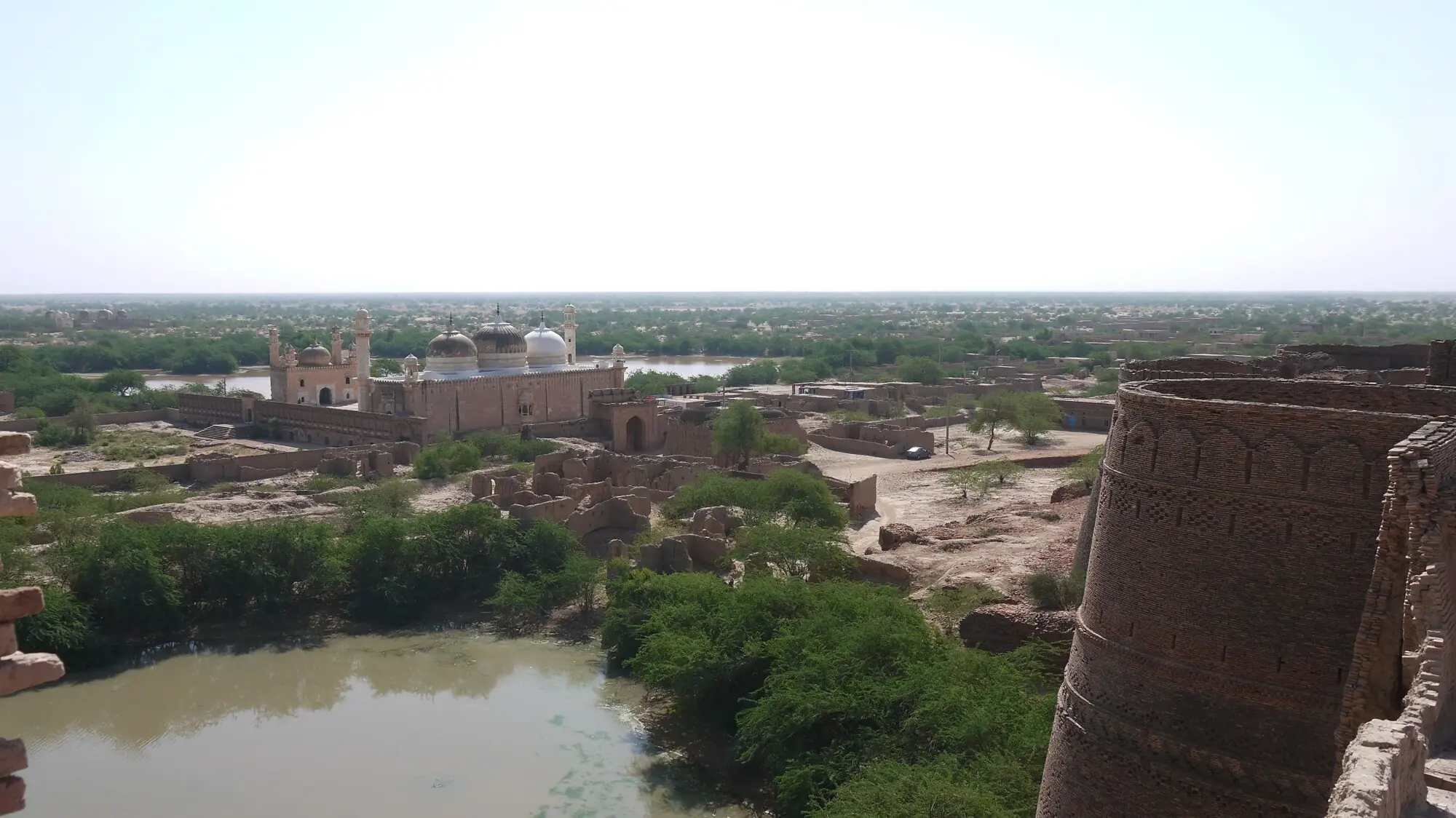

LAHORE: The Human Rights Commission of Pakistan (HRCP) has endorsed a wide-ranging charter of demands, put forward by the Muttahida Cholistan Council, urging the federal and Punjab governments to end the decades-long neglect of Cholistan through a rights-based development agenda focused on secure land ownership, permanent water supply, improved public services and protection of local communities from displacement.
In a statement issued on Monday, HRCP said the demands made by the council — a network of six community-based organisations — were consistent with the findings of its own fact-finding missions sent to the desert region, which documented chronic water shortages, insecure land tenure, inadequate healthcare and education, and the exclusion of local communities from decisions affecting their livelihoods.
The commission called on the provincial and federal governments to engage constructively with the Cholistani communities and ensure equitable access to resources, while safeguarding local livelihoods and the rights of women, religious minorities and trans persons.
The council demands constitutional recognition of the rights of the people of Cholistan over their land and restoration of the region’s original name – Rohi.
Network of six community organisations also wants reduction in land allotment charges for desert area residents and protection of their livelihoods
It also calls for granting autonomous status to the Cholistan Development Authority (CDA) under 1976 Ordinance, with executive powers for its managing director and reserving 50 per cent of jobs in the authority for locals.
The council seeks permanent canal water supplies for the region, including implementation of the previously approved allocation of 250 cusecs of water, saying it was essential for agriculture, wildlife and human settlements.
It also demands restoration of the rights of people displaced since 1978, reduction of land allotment charges to the previous rate of Rs400 per unit from the current Rs5,000, and allocation of agricultural land to eligible applicants under the 2019 policy.
It opposes corporate farming, land grabbing and conversion of communal grazing lands, calling for protection of traditional pasture areas, livestock and local water resources.
The council also demands cancellation of leases granted to foreign countries for grazing purposes and protection of archaeological sites and historic forts from encroachment and destruction.
Among its political demands, the council seeks district status for Cholistan and representation in the national and provincial assemblies in proportion to its population.
It also calls for recognition of Cholistani identity on national identity cards and preservation of the region’s cultural heritage and festivals.
The charter calls for establishing boys’ and girls’ colleges, recruiting local teachers, providing internship opportunities to Cholistani students, upgrading existing health centres into hospitals with qualified doctors and medicines, and expanding emergency services across the region.
The council also urges the government to improve access to clean drinking water by repairing watercourses, increasing storage capacity, constructing reservoirs and dams, installing solar-powered tube wells and reverse osmosis filtration plants in areas with saline groundwater, and restoring dysfunctional water supply schemes.
It demands land allotments to widows, divorcee women and orphaned children, establishment of banks, the National Database and Registration Authority (Nadra) offices and Rescue 1122 centres for the region’s estimated population of over 300,000, expansion of mobile phone and internet coverage, abolition of the permit system for travel within Cholistan, and development of roads to new settlements.
The council further proposes establishment of four new cities in Cholistan under the name “Al Sadiq” in honour of the last Nawab of Bahawalpur and urged international development agencies, including the United Nations, to support improvements in the region’s health and education sectors.
It also expresses concern over the expansion of Lal Suhanra National Park, saying it can displace local communities and demands that no residents should be evicted as a result of the project.
The council calls for repair and preservation of the royal graveyard at Qila Darawar and a comprehensive conservation programme for Cholistan’s historic forts and other archaeological heritage.
Published in Dawn, July 21st, 2026