The mouldy seafood delight
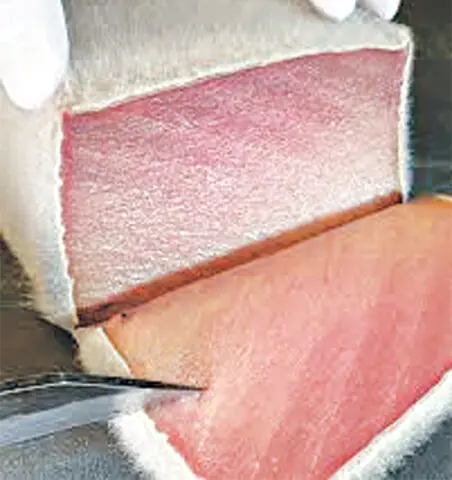
Mould-aged tuna is a rare and unusual Japanese delicacy made by dry-aging bluefin tuna under a thick layer of Koji mould. After four to eight weeks in carefully controlled conditions, the fish becomes covered in a furry-looking coating of mould.
During the ageing process, enzymes break down the tuna’s proteins and fats, creating a rich umami flavour and an exceptionally tender texture. Although the mould-covered fish may look unusual, the mould is removed before serving.
The aged tuna is typically eaten raw as sashimi or sushi and is prized for its deep, complex taste.
Robot toilet drives itself to users

Chinese company Yueban has introduced Xiaoban, a $13,000 AI-powered robot toilet designed for people with mobility impairments. Unveiled at a healthcare technology expo in Shanghai, the autonomous device can travel to users while avoiding obstacles using a 3D navigation system.
After use, Xiaoban returns to a docking station connected to the home’s plumbing, where waste is disposed of automatically. The robot then cleans and disinfects itself using pressurised water and UV light.
Equipped with odour-control technology, including activated charcoal filters, the smart toilet is currently available in China and is aimed at improving independence for people with limited mobility.
Beavers end flooding at the London tube station

A London Underground station that once suffered frequent flooding is now staying dry thanks to a family of beavers. Introduced to Paradise Fields in 2023 by the Ealing Beaver Project, the animals transformed the area into a natural wetland that helps hold back rainwater.
The project was suggested as an alternative to building an artificial reservoir. Since the beavers arrived, flooding at Greenford station has stopped and researchers say the colony has grown to at least eight animals.
The beavers have also become a local attraction, drawing visitors and supporting the project through popular guided “beaver safaris,” which often sell out.
Half-red, half-yellow apple amazes
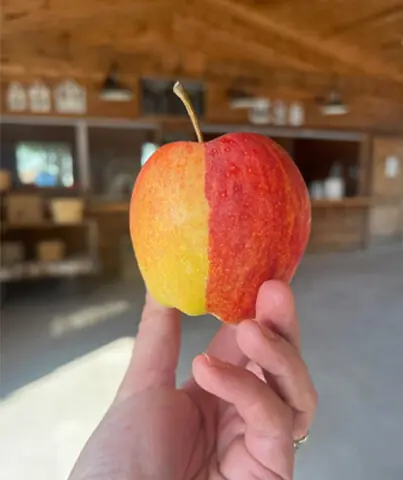
A rare chimera apple with one red half and one yellow half is drawing crowds to a produce store in Christchurch, New Zealand.
The unusual fruit was discovered among a shipment of Red Braeburn apples and is believed to be the result of a rare genetic mutation that causes an apple to develop from two different genetic cell lines.
Store owner Heather said visitors have been flocking to see the apple, with some even asking to touch it for luck.
The store is now deciding whether to preserve the one-in-a-million fruit or cut it open to reveal what it looks like inside.
Published in Dawn, Young World, July 4th, 2026