Why Samsung may welcome Apple’s most expensive iPhone yet


 0
0
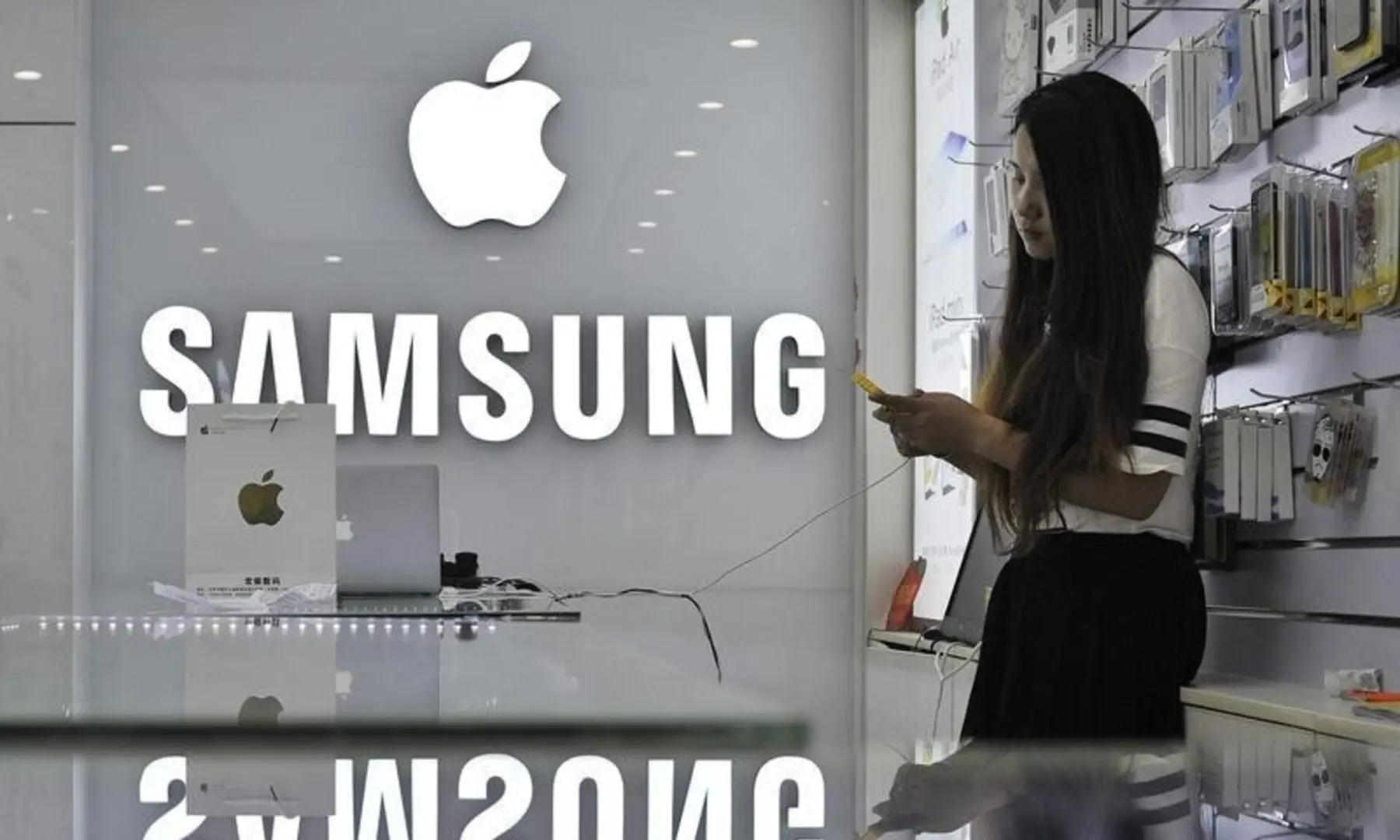

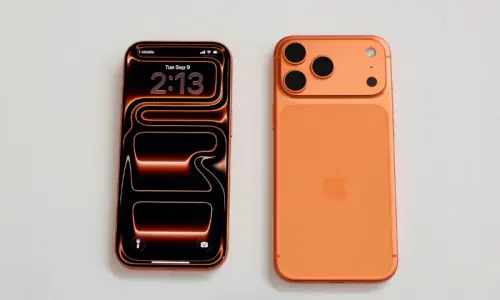
Samsung Electronics may have an unlikely reason to welcome Apple’s first foldable iPhone: The more Apple charges for it, the less shocking Samsung’s own prices will look.
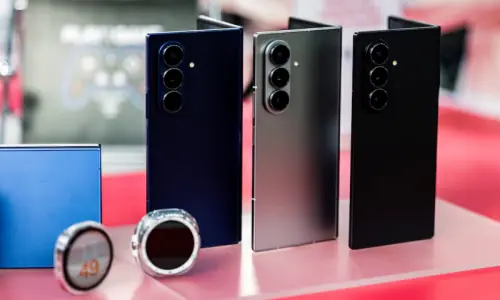
Ahead of Samsung’s expected unveiling of its Galaxy Z Fold 8 series in London in late July, its mobile business is walking into a hard launch. Memory and processor costs are climbing, leaks point to higher Galaxy prices, and Apple, absent from the category for years, is expected to enter in September with what could be the most expensive iPhone ever made.
Nabila Popal, senior research director at International Data Corporation (IDC), told The Korea Herald she expects Samsung to raise flagship foldable prices this year by about $100, and still to stay “significantly lower” than Apple’s first foldable, which IDC sees arriving near a “massive sticker price of $2,500”.
That hands Samsung something it rarely gets from Apple: pricing cover. But cover is the only thing getting easier.
The same cost shock is squeezing Samsung’s margins, and Apple is arriving as a third front after Motorola in the US and Huawei in China against a lead Samsung is already struggling to hold.
The cost shock reaches Apple
The pressure is no longer theoretical. Apple Chief Executive Officer (CEO) Tim Cook recently told The Wall Street Journal that price increases were “unavoidable” as memory and storage costs surged, in a shock he likened to a “hundred-year flood”.
Popal was not surprised. With memory costs roughly tripling this year, no vendor can absorb them. What surprised her was the timing. The CEO saying it before launch, in her view, was “a deliberate and smart move” by Apple to get buyers used to the idea.
Samsung has no such room to manage the message, and the squeeze is already in its numbers. Its mobile division’s operating profit fell 35 per cent in the first quarter from a year earlier, even with strong Galaxy S26 sales, because component costs rose faster than prices could follow.
Some Korean analysts now project the division could slip into the red in the second half.
Linda Sui, founder of Smart Analytics Global and previously head of mobile device markets at TechInsights, told The Korea Herald that Samsung’s expected price increase is a cost pressure and strategy. She expects the Fold 8 Ultra to hold near $1,999 and a wider book-style Fold 8 around $1,799, a tiered lineup built deliberately ahead of Apple.
An iPhone foldable priced more than $2,000, she added, would raise a “price umbrella” over the category, a ceiling that makes competitors beneath it look reasonable.
For Samsung, that umbrella is worth more than usual this year, she explained. With its own margins thinning, it needs the next Fold to sell as a premium product, not an overpriced one. Apple charging $2,500 is what lets a $1,999 Galaxy Fold 8 Ultra read as the sensible choice.
But Samsung has to commit all of it first. Its foldables arrive in July; Apple’s are not expected until September. So Samsung is setting prices and adding a wider, book-style model that happens to mirror the shape Apple is rumoured to be building, all while pricing against a rival product no one has seen.
Is Samsung still the leader in foldables?
Samsung walks into July as the world’s No. 1 foldable maker, but the title is shakier than it sounds. In the US, the second-largest foldable market, it has already lost the lead, Popal said.
Motorola took 48pc in 2025 against Samsung’s 43pc, and the gap blew open to 65pc versus 19pc in the first quarter this year, according to IDC.
Counterpoint Research still puts Samsung narrowly ahead in 2025, at 50.9pc to Motorola’s 44.1pc, though down sharply from 65.6pc a year earlier.
Apple, Popal said, would “intensify that pressure, particularly in the US”.
China, the largest market at about 60pc of shipments, is the opposite problem: Samsung never had it. Huawei dominates, so Apple’s entry there, in Popal’s reading, threatens Huawei more than Samsung, which has little left to lose.
The global crown is still Samsung’s for now. Sui from SAG expects it to hold 2026, shipping more than 7 million foldables to Apple’s 5m. The worry is the clock. “2027 could mark a major turning point”, she said, with Apple “well-positioned to surpass Samsung” on the strength of its ecosystem and upgrade-ready customers.
The harder question: why buy one
All of which leaves the question pricing cover cannot answer: Why buy?
Price has always been the foldable’s biggest barrier, and this year it is rising even more, which raises the bar a foldable has to clear to justify itself. Hardware helps, Sui said, but “hardware improvements alone may not be sufficient”.
What matters is whether it earns its place day to day.
Sui thinks that it is winnable even on a small scale. Foldables need not go mainstream to pay off, she argues.
“Like a luxury car lifting a mass-market badge”, a halo product can elevate brand image and protect margins without selling in volume.
Popal is less forgiving. Foldables, she said, remain “a niche segment of less than 2.5pc of the total smartphone market”, and only one of two things changes that.
“Either the price has to drop massively,” she said, “or a unique killer use case has to emerge”.
This story was originally published on The Korea Herald, an ANN partner of Dawn.