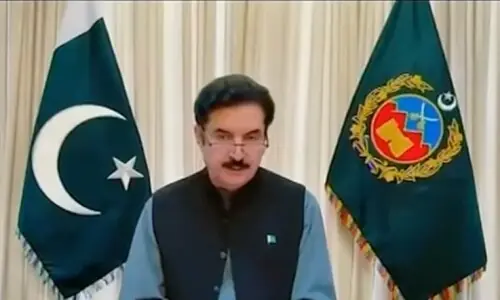
ISLAMABAD: Federal Maritime Affairs Minister Muhammad Junaid Anwar Chaudhry and Sindh Governor Syed Muhammad Nehal Hashmi on Tuesday pledged to strengthen institutional coordination to improve waste management, protect marine resources, and promote sustainable development.
They emphasised enhanced cooperation to improve environmental protection and maritime safety.
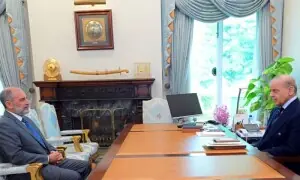
The meeting was held at the minister’s chamber in the National Assembly, where the two leaders stressed the need for closer coordination between federal and provincial institutions on environmental management and maritime sustainability.
They discussed greater collaboration to address marine pollution and strengthen the protection of coastal ecosystems. The minister said he would convene a meeting of the Marine Pollution Control Board during his upcoming visit to Karachi to review ongoing efforts and receive briefings on institutional responses to marine litter and coastal degradation.
Governor Hashmi underscored the importance of stronger coordination between federal and provincial authorities, highlighting waste management, marine resource conservation, and sustainable economic activity as essential to the environmental and economic well-being of Sindh’s coastal communities.
Junaid Chaudhry said healthy oceans play a critical role in regulating the climate, supporting biodiversity, and sustaining coastal livelihoods, including mangrove ecosystems and fisheries. He noted that the Karachi Port Trust conducts routine clean-up operations in port waters and adjoining areas as part of its ongoing maintenance and environmental management efforts.
Referring to assessments by the UN Environment Programme (UNEP), Chaudhry said an estimated 19-23 million tonnes of plastic waste enter aquatic ecosystems worldwide each year, highlighting the scale of marine pollution challenges faced by coastal states.
He added that global studies, including those supported by the World Bank, indicate that plastic accounts for a significant share of marine litter, often exceeding 50pc by item count, although proportions vary widely depending on location and methodology.
Chaudhry said marine litter poses a serious threat to ecosystems, fisheries, and coastal communities, and called for coordinated action by federal and provincial authorities to improve waste management systems and reduce pollution at its source.
He also highlighted the broader economic potential of transitioning to a circular economy, noting that improved recycling systems and resource recovery could create employment opportunities while reducing environmental pressures, according to international studies.
Published in Dawn, June 24th, 2026