India probes graft charges at temple built on Babri mosque
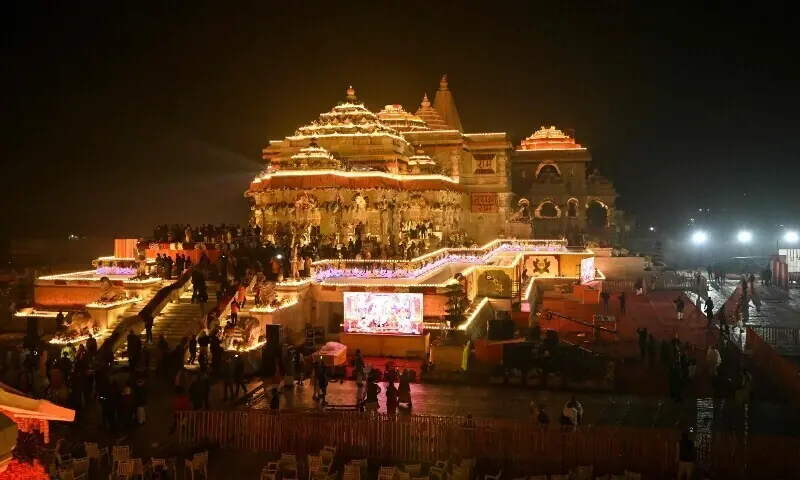


NEW DELHI: Indian police are investigating allegations of embezzlement at a temple in the country’s north that has been a focal point of Prime Minster Narendra Modi’s Hindu-first politics, a top state official said on Friday.
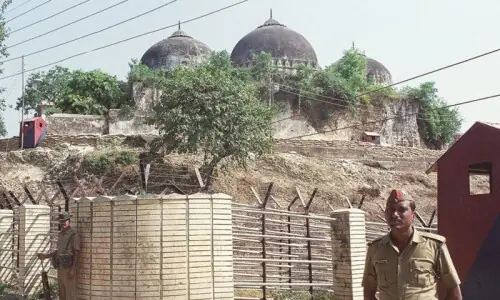
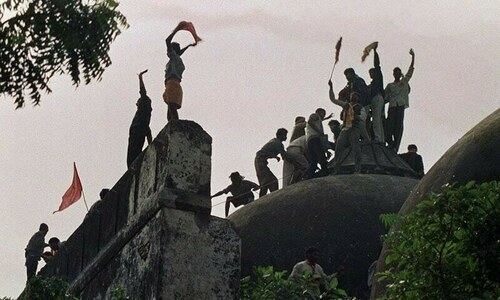
The Ram Mandir temple in Uttar Pradesh state, built on grounds where a mosque stood for centuries before being torn down by Hindu zealots, was inaugurated in 2024 with great fanfare by Modi himself.
Uttar Pradesh Chief Minister Yogi Adityanath said that a Special Investigations Team (SIT) had been set up to look into alleged syphoning of cash offerings made by devotees.
“We have set up an SIT inquiry on the recommendation of the trust that administers the temple,” said Adityanath, a firebrand Hindu monk, at a public function.
“If anyone has any documentary proof, please provide it to the SIT,” he added.
The scale of the alleged embezzlement is unclear but opposition parties and local media reports say it could amount to more than $20 million.
The construction of the temple cost an estimated $240 million, all of which was sourced entirely from public donations, according to the project’s backers.
According to The Indian Express newspaper, daily offerings from devotees average around $10,000, going up to $60,000 on auspicious days.
Devout Hindus claim that the god Ram was born in the town of Ayodhya — home to the temple — more than 7,000 years ago, but that the Babri mosque was built over his birthplace by Mughal emperor Babar.
India’s ruling Bharatiya Janata Party — then in the opposition — played an instrumental role in public campaigning that eventually led to the mosque’s demolition in 1992.
The destruction helped propel the party, and eventually Mr Modi, as unstoppable electoral juggernauts, displacing the secularist Congress party that had governed India almost without interruption since independence from Britain.
Published in Dawn, June 20th, 2026