• Rs6bn earmarked for uplift, Rs90bn for non-development expenditures
• Rs1.3bn allocated for trauma centre in Quetta
QUETTA: The Balochistan government has increased health sector funding and allocated Rs96 billion for the fiscal year 2026-27, reflecting a 30 per cent rise compared to the current year’s Rs71bn.
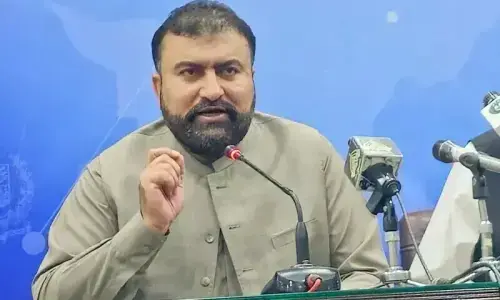
Finance Minister Mir Shoaib Nosherwani indicated in his budget speech that the health sector remains one of the government’s top priorities, as improved healthcare is directly linked to a better quality of life and economic development.
Officials said Rs6bn has been allocated under the development budget, while Rs90 bn has been set aside for non-development expenditures, excluding assets. The minister said the sharp increase reflects the government’s commitment to strengthening healthcare delivery across Balochistan.
A major allocation of Rs1.3bn has been made for the New Trauma Centre in Quetta to enhance emergency medical services in the provincial capital.
The government has also increased funding for the Balochistan Health Card Programme from Rs4.5bn to Rs6bn to expand access to healthcare services for citizens.
Similarly, the grant for the People’s Primary Healthcare Initiative (PPHI) network has been raised from Rs7.6bn to Rs8.8bn to improve primary healthcare services in rural and remote areas.
The budget also includes a substantial increase in the medicines budget, raised from Rs6.9bn to Rs8.5bn – an increase of 23 per cent — to ensure the availability of essential drugs in public hospitals.
For specialised healthcare services, Rs10 million has been allocated for a Thalassaemia centre in Kech district, while Rs9m has been set aside for a similar facility in Gwadar to support patients suffering from blood disorders.
The Sheikh Zayed Bin Al Nahyan Institute of Cardiology has received an enhanced allocation of Rs2.8bn, up from Rs2.2bn, to strengthen cardiac care services in the province.
In addition, Rs1.1bn has been allocated for postgraduate (PG) and house officer (HO) training programmes to improve medical education and human resource capacity.
The Nawab Ghous Bakhsh Raisani Memorial Hospital in Mastung has seen its grant increased from Rs400m to Rs735m for infrastructure and service improvements.
Other allocations include Rs400m for the Burn Unit in Quetta, Rs400m for Prince Fahad Hospital Dalbandin, and an increased grant of Rs279m for Pakistan Oman Hospital Pasni to improve healthcare delivery.
A major public health initiative, the Balochistan Nutrition Programme, has been allocated Rs1.5bn to combat malnutrition and improve maternal and child health outcomes.
The government also announced the creation of 500 new posts in the health department to strengthen human resource capacity in the upcoming fiscal year.
Officials said the increased allocation underscores the provincial government’s focus on expanding healthcare access, improving hospital infrastructure, and addressing critical health challenges across the province.
Published in Dawn, June 19th, 2026