Unforgettable
By Rayhab Khan
Vanguard Press
ISBN: 978-1-83794-938-0
292pp.
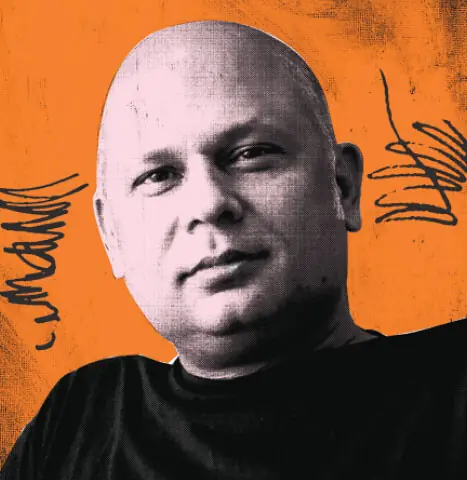
Rayhab Khan, the author of Unforgettable, is a lawyer, lecturer and avid reader of dark gothic fiction. This, her debut as an author, is hot off the press, published only this year.
Unforgettable, which is set in Karachi, is a very easy read and can be completed in one sitting if necessary. This is because of the writing’s smoothness and fluency, as well as the story arc itself. It is a true page-turner. The desire to know what comes next is overwhelming.
The first part of the novel, which comprises nearly a third of the book, deals with a New Year/birthday party. The characters are all high school students who are just months away from graduation. The author’s skill comes into play in this section, as she makes it read like a young adult novel rather than adult fiction.
Khan writes convincingly and with full command as she portrays the bunch of teenage kids. She uses the language of that age group and plays with the emotions and feelings they contend with. She ushers them through believable scenes where the kids are happy, get into fights and even get traumatised.
A reunion among three former best friends unravels long-held secrets, regrets and unanswered questions in this fast-paced debut thriller
The characters she portrays come from the elite social strata. Their lives, as depicted in Unforgettable, are a far cry from those of most Pakistani youngsters. The average Pakistani teenager would be scandalised, and perhaps envious, at the way Khan’s dramatis personae behave.
It is in this part of the book that we are introduced to the main characters, made up of a trio of besties: Rania, Layla and Aliya. The story is presented from each of their points of view. Their loves, ambitions and anxieties are elucidated for the reader. We get to know their backstories and romantic inclinations. Most importantly, we become aware of the three pals’ intense closeness.
Throughout this section, references are made to omens of imminent tragedy. It is made abundantly clear that something bad is about to befall the kids. So, when disaster strikes, it is no surprise. But it is handled in the way of the rich: the police are not notified and a cloak of silence is thrown over the incident.
After a 13-year lull, the thread of the story is picked up again. The three friends have grown up and chosen paths for themselves that are radically different from each other. Unfortunately, no one is quite content with her choice and all are beset with regrets and yearnings for a different life. The death of Rania’s father becomes the catalyst for them to gather in Karachi, once again.
The sparks set off by this reunion finally penetrate the mists surrounding the misadventure of 13 years ago. The scabs of old wounds are peeled away for the first time. Secrets that have been held back to fester for years are regurgitated. We find that what we had taken for granted in the first part of the book is not quite so. The guests at the New Year’s party long ago are not what they had seemed to be.
At the end, all becomes clear, as it should in any novel worth its name. But the ending is ambiguous in one way. The past is certainly demystified, but what the best friends plan to do in the future is left open-ended.
Unforgettable follows the pattern seen in many popular novels and films, in which a particular episode of import becomes the pivotal moment in people’s lives. It casts its shadow on the characters even decades later until, in the finale, the momentous revelation comes as both a surprise and relief.
In effect, Unforgettable is a formulaic novel. Yet, Rayhab Khan manages to transcend the plot’s familiarity by making her book a worthwhile read.
The author does a stellar job of holding the reader’s attention as the layers of the puzzle are slowly peeled away, like an onion. Gradually, the facts become clear. The friends have kept mum for so long because of their own psychological baggage and the dreaded unleashing of societal censure.
The one drawback of the novel is that it has less action and more introspection. The reader is told what happens and is even furnished with an analysis, but not shown the scenes as they unfold. This method is better suited to literary novels. Thrillers are usually action-packed. The episode where one of the friends goes to interview a highly feared African dictator is written in real time. Greater use of this type of writing would have improved Unforgettable.
The novel contains many Urdu words and, apart from footnotes that explain them, there is also a glossary at the end. This may have been necessary because the book is published in the UK. In view of this, it is jarring when one of the servants, generally called Mushtaq Bhai, is called the ‘butler’ and not given his Urdu designation.
The number of years that elapse between the two threads of the story are 13; this is an oft-repeated fact. But in one instance, during Rania’s musings, it becomes 15. The same goes for her child’s age. It is repeatedly stated that he is three years old, yet Rania tells someone he is two. These are minor mistakes, but they detract from the integrity of the novel.
On the other hand, the opening sentence is brilliant. It is catchy and prophetic, just what a thriller needs. Unforgettable is not a deep, philosophical novel out to solve the problems of the world. Yet it delivers the goods: a fast-paced, suspenseful pot-boiler that keeps you hooked to the last page. It may never become required reading in a college course, but it is ideal for whiling away a summer day at the beach or for perusing on a long plane journey.
Bravo, Rayhab Khan.
The reviewer is a freelance writer, author of the novel The Tea Trolley and the translator of Toofan Se Pehlay: Safar-i-Europe Ki Diary
Published in Dawn, Books & Authors, June 21st, 2026