JI demands cut in fuel prices, work on Pak-Iran gas pipeline
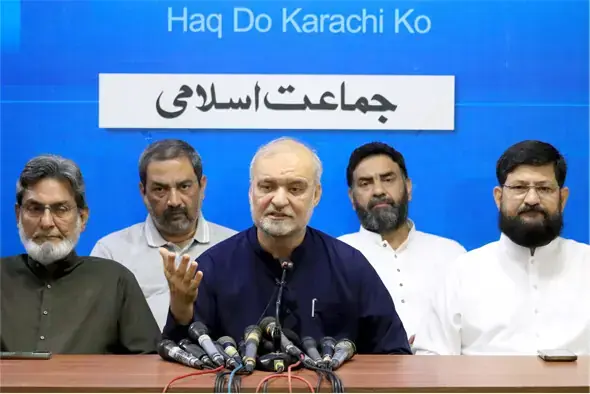
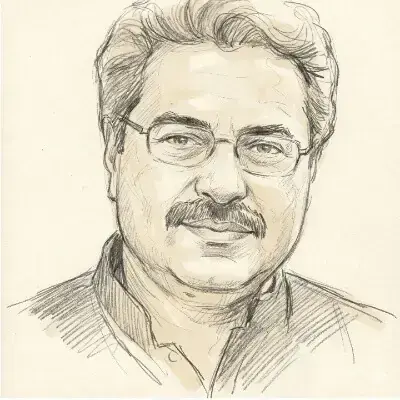
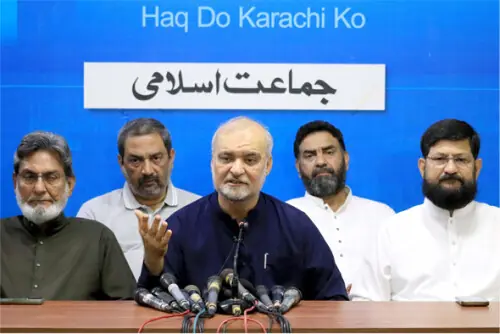
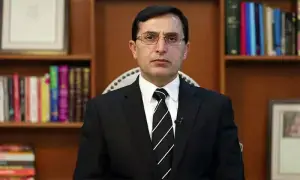
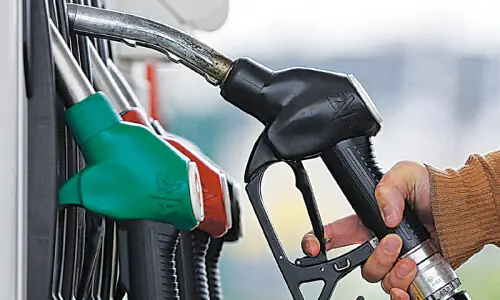
LAHORE: Jamaat-i-Islami chief Hafiz Naeemur Rehman on Monday called for immediate reductions in petrol prices and the swift completion of the long-delayed Pakistan-Iran gas pipeline, saying Pakistan should pass on any international economic relief to the public.
In a video message issued from Mansoorah and a statement shared on social media, Rehman urged the government to reduce fuel costs in line with falling international prices, initiate free trade with Iran, and expedite the Pak-Iran gas pipeline project to address the country’s energy shortages.
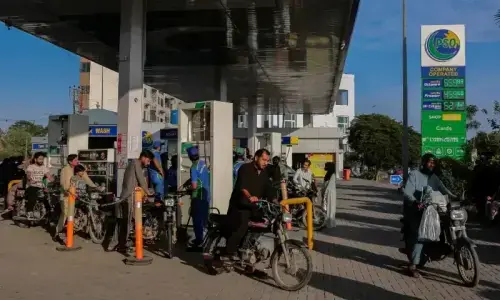
Rehman said with ex-refinery prices potentially falling to around Rs200 per litre, “a substantial reduction in domestic petroleum prices was entirely feasible” and called for a review of what he described as burdensome measures such as the petroleum levy. He also said reductions in electricity and gas tariffs could significantly stimulate economic activity within a year.
The JI chief described the truce and agreement between Iran and the United States as a “landmark victory for Iran”, saying the development demonstrated that no global power can impose its agenda on a nation that remains resilient and united.
He said the reopening of the Strait of Hormuz and normalisation of regional conditions sent a clear message that a united nation can withstand major challenges.
He added that the resolve of Iran’s leadership and people showed that when a government and its citizens stand together with patience and steadfastness, even the world’s most powerful states are compelled to alter their positions.
Rehman observed that while the US and Israel had made sweeping claims about dismantling Iran’s political system, nuclear programme, missile capabilities, and military strength, the conflict concluded under different circumstances, ultimately centring on the Strait of Hormuz.
He described the outcome as a strategic success for Iran and congratulated its leadership and people.
He said Pakistan must draw lessons from regional developments. While acknowledging Islamabad’s role in mediation efforts, he said diplomatic gains abroad could not be fully utilised without strengthening national unity and harmony at home.
Published in Dawn, June 16th, 2026